As Western sanctions tighten and Russia faces mounting economic pressures, questions abound over the resilience of its economy. Is Moscow’s financial system truly teetering on the brink of collapse, or is the Kremlin weathering the storm better than expected? In this article, The Spectator examines the latest data, expert analyses, and on-the-ground reports to assess whether Russia’s economy is indeed on its last legs-or if forecasts of its downfall remain premature.
Economic Indicators Show Mixed Signals in Russia’s Struggling Market
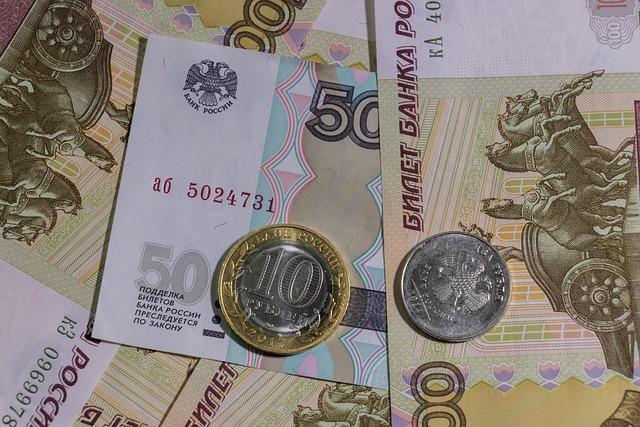
Recent data paints a complex picture of Russia’s economic landscape, contradicting the narrative of an imminent collapse. While inflation has surged, hitting close to double digits, consumer spending remains surprisingly resilient. Key sectors such as energy continue to generate substantial revenue, bolstered by elevated global commodity prices. However, these gains are tempered by persistent challenges including weakened industrial output and a faltering ruble, which collectively dampen investor confidence.
Critical economic indicators reveal a spectrum of outcomes:
- Steady growth in export volumes, driven largely by oil and gas shipments
- Rising unemployment rates in manufacturing and construction
- Stagnant wage growth juxtaposed with increasing inflation
- Government efforts to stimulate domestic demand through fiscal measures
Amid these contradictions, analysts caution against simplified conclusions, emphasizing that the trajectory of Russia’s market will depend heavily on external geopolitical pressures and internal policy adaptations moving forward.
Sanctions and Energy Dependence Create Unprecedented Challenges
The imposition of sweeping sanctions by Western nations has significantly disrupted Russia’s economic landscape, cutting off critical access to global financial markets and advanced technology. These measures, aimed at crippling key sectors, have forced Russian industries to navigate a complex web of restrictions just to maintain basic operations. Particularly affected is the energy sector, which has long been the backbone of the country’s economy. The tightening of export controls and restrictions on foreign investment have pressured energy revenues, undermining the government’s ability to sustain its fiscal obligations and invest in future growth.
Key challenges compounding the crisis include:
- Dependence on European oil and gas markets, which remain volatile amid geopolitical tensions.
- Limited access to modern technologies exacerbating production inefficiencies.
- Capital flight and a weakening currency heightening inflationary pressures domestically.
As Russia grapples with these economic headwinds, the question remains whether strategic pivots and closer ties with non-Western economies can offset the deep-seated vulnerabilities exposed by the sanctions. For now, the intertwined nature of sanctions and energy dependence is painting a complex and challenging picture for Russia’s economic future.
Strategic Policy Shifts Needed to Stabilize Long-Term Growth Prospects
Amid mounting economic pressures, Russia faces an urgent need to recalibrate its approach to sustaining long-term growth. Current strategies, heavily reliant on energy exports and isolated from many global markets, are proving insufficient in fostering resilience. Experts suggest a comprehensive overhaul that prioritizes diversification of the industrial base and encourages innovation-led development. This entails not only investing in technology sectors but also creating an environment where private enterprises can thrive without excessive state intervention. Without such adjustments, Russia risks entrenching its dependence on volatile commodity markets, leaving the economy vulnerable to external shocks.
Policy reformers advocate for a suite of strategic shifts, emphasizing the critical role of governance and fiscal discipline. These recommended measures include:
- Enhancing transparency and judicial independence to attract foreign investment.
- Modernizing the banking system to improve credit availability for small and medium enterprises.
- Expanding educational initiatives aimed at boosting workforce skills in high-demand sectors.
- Fostering public-private partnerships to drive infrastructure development beyond traditional energy networks.
Implementing this multifaceted agenda could help stabilize Russia’s shaky economic footing and chart a path toward sustainable growth despite ongoing geopolitical challenges.
Closing Remarks
As Russia navigates a complex web of sanctions, geopolitical challenges, and internal economic pressures, it remains unclear whether its economy is truly on the brink of collapse or resilient enough to adapt and survive. While the outlook is fraught with uncertainty, what is certain is that Moscow’s economic fate will continue to be a pivotal factor in shaping global financial and political landscapes in the months and years ahead.