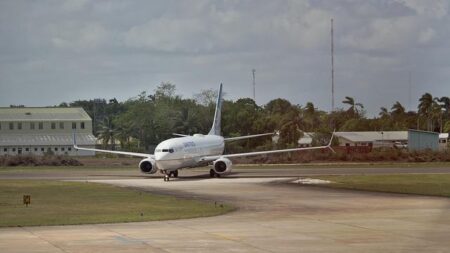
Air Canada has officially taken delivery of its first Airbus A321XLR, marking a significant milestone in the airline’s fleet modernization and expansion efforts. The arrival of this state-of-the-art aircraft not only enhances Air Canada’s long-range narrow-body capabilities but also highlights the growing role of Canadian manufacturing in supporting the aviation industry. This development underscores the airline’s commitment to improving fuel efficiency, passenger comfort, and operational flexibility as it prepares to serve new and existing routes across North America and beyond.
Air Canada Expands Fleet with Arrival of First Airbus A321XLR
Air Canada has significantly enhanced its operational capabilities with the delivery of its first Airbus A321XLR, marking a milestone in the airline’s modernization efforts. This state-of-the-art aircraft boasts extended range features that allow the carrier to serve new transcontinental and transatlantic routes with greater efficiency and reduced environmental impact. The A321XLR’s innovative design promises to deliver both passenger comfort and cost-effectiveness, reinforcing Air Canada’s commitment to expanding its network while prioritizing sustainability.
Key highlights of the A321XLR include:
- Increased range: Capable of flying up to 4,700 nautical miles, opening doors to non-stop flights on previously underserved routes.
- Enhanced fuel efficiency: Utilizing advanced aerodynamics and fuel-saving technologies to minimize carbon emissions.
- Optimized cabin layout: Providing a superior passenger experience with modern amenities and increased seating capacity.
The integration of this aircraft into Air Canada’s fleet underscores the airline’s strategic partnership within the aviation industry, including Canadian manufacturing sectors involved in the production and assembly processes. This delivery not only highlights technological advancements but also supports domestic aerospace jobs, further strengthening Canada’s position in global aviation.
Advanced Manufacturing Techniques Behind the Airbus A321XLR Production in Canada
Canada’s role in the production of the Airbus A321XLR showcases a remarkable integration of cutting-edge technologies and skilled craftsmanship. Utilizing advanced composite materials, Canadian facilities have been instrumental in fabricating lightweight yet robust airframe components that significantly enhance fuel efficiency and operational range. The incorporation of automated robotics ensures precision in assembly, while strict quality control measures guarantee performance consistency, meeting the rigorous standards expected in modern aviation.
The manufacturing process in Canada also leverages state-of-the-art digital twin technology, enabling real-time simulation and optimization of aircraft systems before assembly. With an emphasis on sustainability, the production lines employ energy-efficient machinery and recycling protocols that minimize environmental impact. Key innovations include:
- High-precision robotic drilling and riveting for structural integrity
- Advanced composite curing methods reducing production time
- Enhanced aerodynamic design collaboration facilitated by virtual reality tools
- Integration of smart sensors for comprehensive system diagnostics
Recommendations for Maximizing Operational Efficiency with the New Aircraft Integration
To fully harness the capabilities of the Airbus A321XLR, Air Canada should prioritize comprehensive training programs for flight crews and maintenance teams focused on the aircraft’s advanced systems and extended-range features. Ensuring that operational staff are proficient with the newest technology not only boosts safety but also enhances turnaround times and in-flight performance. Additionally, integrating predictive maintenance software tailored to the A321XLR can reduce unexpected downtime, optimize repair schedules, and extend the aircraft’s lifecycle, leading to significant cost savings.
Operational planners are encouraged to revisit route structures and capacity management strategies, leveraging the A321XLR’s extended range to tap into underserved transcontinental and cross-border markets. This aircraft’s fuel efficiency and increased payload flexibility make it ideal for optimizing fleet deployment. Implementing data-driven decision-making tools will further streamline scheduling and resource allocation, ensuring maximum utilization and profitability of the new addition to Air Canada’s fleet.
- Intensive crew training on avionics and systems
- Adoption of predictive maintenance technologies
- Reevaluation of route networks to exploit extended range
- Utilization of data analytics for fleet management
Wrapping Up
As Air Canada officially takes delivery of its first Airbus A321XLR, the milestone marks a significant advancement in the airline’s fleet modernization and long-haul narrow-body capabilities. This acquisition not only underscores Air Canada’s commitment to expanding its network with greater efficiency and passenger comfort but also highlights the growing role of Canadian manufacturing and aerospace expertise in supporting the country’s aviation sector. As the A321XLR enters service, industry observers will be watching closely to see how this new aircraft shapes the future of domestic and international air travel for Canada’s flagship carrier.