
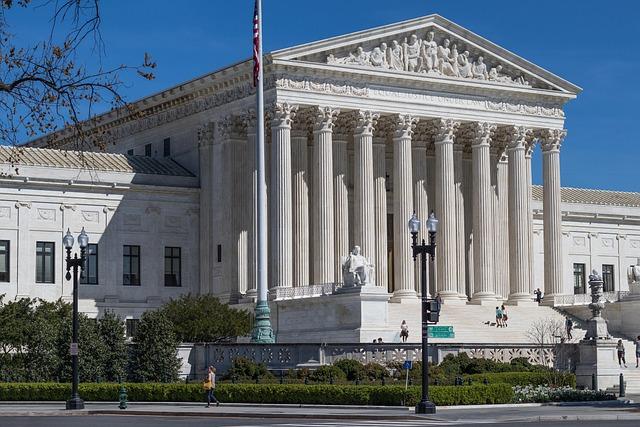
The Supreme Court of India, the apex judicial authority in the world’s largest democracy, stands as a beacon of justice, constitutional interpretation, and the rule of law. As the highest court in the land, it plays a pivotal role in shaping the legal landscape and safeguarding fundamental rights. This article delves into the workings, landmark judgments, and contemporary challenges of the Supreme Court of India, offering insights that are crucial for legal professionals, scholars, and citizens alike. Through comprehensive coverage and critical analysis, we bring you an in-depth look at the institution that sits at the heart of India’s democratic framework.
The Supreme Court of India Overview and Jurisdictional Authority
Established as the apex judicial authority in the country, the Supreme Court of India stands as the ultimate interpreter of the Constitution. Its decisions hold binding power over all other courts, ensuring uniformity and coherence in the application of law across India. Comprising the Chief Justice and a sanctioned strength of associate judges, the court addresses a broad spectrum of legal issues, ranging from constitutional disputes to significant civil and criminal cases. Its role transcends mere adjudication, as it actively safeguards fundamental rights and maintains a delicate balance between the various branches of government.
The court’s jurisdiction is multifaceted, encompassing several key areas such as:
- Original jurisdiction in disputes between states or between the central government and states.
- Appellate jurisdiction over cases decided by high courts across India.
- Advisory jurisdiction where it provides opinions to the President of India on important legal questions.
- Protective jurisdiction ensuring enforcement of fundamental rights through writ petitions.
This expansive reach equips the Supreme Court to act as a powerful guardian of constitutionalism, shaping India’s legal landscape with authoritative pronouncements that resonate well beyond its chambers.
Landmark Judgments Shaping Indian Legal Landscape
The Supreme Court of India has consistently delivered verdicts that not only interpret the Constitution but also redefine societal norms and governance structures. From landmark cases such as Kesavananda Bharati v. State of Kerala, which established the Basic Structure Doctrine, to the decriminalization of Section 377, the Court’s rulings have catalyzed progressive change. These decisions serve as pivotal references, reflecting a balance between preserving constitutional values and adapting to contemporary challenges. The judiciary’s role in reinforcing civil liberties while upholding the rule of law remains a cornerstone of the nation’s democratic fabric.
Among the transformative judgments are the recognition of the right to privacy as a fundamental right and directives on environmental protection that have spurred governmental accountability. Key outcomes include:
- Rural Employment Guarantees: Strengthening social justice through the Mahatma Gandhi National Rural Employment Guarantee Act validation.
- Freedom of Speech: Safeguarding expressive freedoms even in the digital age.
- Women’s Rights: Landmark rulings addressing workplace harassment and gender equality.
- Electoral Reforms: Enhancing transparency in political funding and electoral processes.
These judgments collectively chart the evolving trajectory of Indian jurisprudence, reflecting both societal aspirations and constitutional imperatives.
Recommendations for Enhancing Transparency and Public Accessibility
To foster greater openness and accessibility, it is imperative that the Supreme Court of India leverages modern technology to make judicial processes more transparent. Implementing real-time case tracking systems and live-streaming court proceedings can bridge the gap between the judiciary and the public, allowing citizens unprecedented insight into the workings of the highest court. Additionally, expanding the availability of detailed judgments in multiple languages and accessible formats will ensure that legal information is not confined to specialists but reaches a wider audience.
Crucial steps to consider include:
- Establishing a comprehensive and user-friendly online portal for case updates and court calendars.
- Providing regular press releases and explanatory summaries for landmark rulings.
- Facilitating public engagement through educational webinars and workshops on judicial procedures.
- Enhancing collaboration with media outlets to promote accurate and timely reporting of court developments.
Final Thoughts
As the highest judicial authority in the country, the Supreme Court of India continues to play a pivotal role in shaping the nation’s legal landscape. Its decisions resonate far beyond the courtroom, influencing policy, governance, and the rights of millions. For those seeking comprehensive and timely updates on the Court’s proceedings, SCOTUSblog remains an indispensable resource, offering in-depth analysis and balanced coverage of India’s judicial milestones.