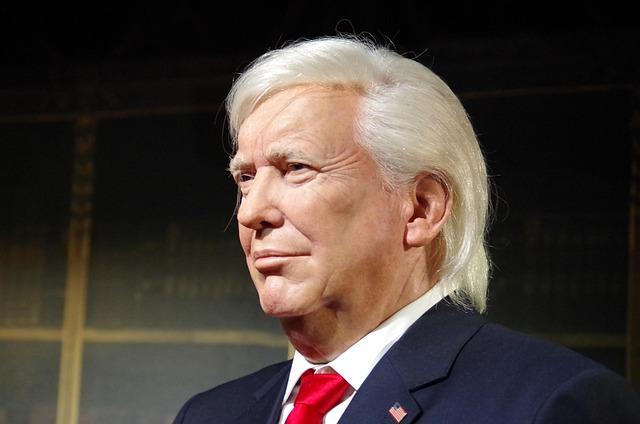
Former President Donald Trump has once again taken aim at Germany, criticizing its defense spending and calling into question the American military presence on German soil. As debates intensify over whether the United States should reduce or withdraw troops stationed in Germany, questions arise about the strategic implications of such a move. This article examines the recent volley from Trump, the current state of U.S.-Germany defense relations, and whether a troop withdrawal would ultimately weaken American interests in Europe.
Trump Criticizes Germany’s Defense Spending Amid Rising Transatlantic Tensions
Former President Donald Trump has once again taken aim at Germany, criticizing the country’s defense expenditure and accusing it of failing to meet NATO’s recommended spending targets. Trump’s remarks come amid escalating tensions between the U.S. and its European allies, highlighting persistent fractures in transatlantic relations. He argued that Germany’s relatively low defense budget undermines collective security and suggested that the United States bear an unfair burden in maintaining European defense postures.
However, some analysts question whether a full U.S. troop withdrawal from Germany would actually serve American interests. Critics point to potential risks such as:
- Reduced strategic influence over European security matters
- Increased instability in a region facing renewed geopolitical threats
- Weakened intelligence sharing and military cooperation with NATO allies
As debates continue, the complex balance between urging allies to increase their defense budgets and maintaining a strong U.S. military presence overseas remains at the forefront of discussions shaping future transatlantic policies.
Assessing the Strategic Impact of US Troop Withdrawal from Germany on NATO Operations
The announcement of a potential US troop withdrawal from Germany has sent ripples through NATO’s strategic framework, raising questions about the alliance’s collective defense capabilities. Germany, as one of the largest US troop hosts in Europe, serves not only as a logistical hub but also as a critical node for rapid deployment and intelligence sharing. The reduction of American forces could disrupt existing military coordination and training exercises, impacting readiness levels across the European theater. Yet, some analysts argue that modern warfare’s evolving nature demands a reassessment of reliance on permanent bases, suggesting that mobility and technology might offset some of the drawbacks associated with troop realignment.
Key concerns surrounding the withdrawal include:
- Potential gaps in air and missile defense coverage, which rely heavily on US-German cooperation
- Complications in joint NATO operations stemming from diminished American command presence
- Challenges for European allies in reallocating defense responsibilities and budgets
Conversely, proponents highlight that this repositioning could incentivize greater European defense autonomy and burden-sharing within NATO. With Germany’s central location still intact, diplomatic and military engagement remains possible, albeit through different modalities. Ultimately, the impact of a US troop drawdown on NATO’s operational effectiveness hinges on adaptive strategies and the alliance’s unified political will to maintain deterrence amid shifting global dynamics.
Policy Recommendations for Balancing US Military Presence and European Security Commitments
To navigate the complexities of the US military footprint in Europe, policymakers must adopt a nuanced approach that aligns strategic interests with European allies’ security concerns. First, enhancing burden-sharing agreements is essential. This means encouraging NATO members, particularly Germany, to increase defense spending and contribute more substantively to joint operations. Additionally, maintaining a versatile and agile troop presence-rather than large, static bases-can help deter adversaries while reducing political friction host countries may face domestically. Strategic dialogue forums should be revitalized to foster transparency and trust among partners, ensuring any realignment supports collective defense without eroding transatlantic solidarity.
Moreover, integrating emerging threats such as cyber warfare and hybrid tactics into the military collaboration framework will strengthen resilience without necessitating a massive footprint. Policymakers should also consider investing in joint rapid response capabilities, leveraging technological innovation to enhance deterrence efficiently. Finally, clear communication strategies must underscore the mutual benefits of US presence in Europe-emphasizing that American troop deployments are not unilateral impositions but components of a shared security architecture, vital to countering regional instabilities and projecting collective strength.
In Retrospect
As the debate over the U.S. military presence in Germany continues to unfold, the implications of any potential troop withdrawal remain complex and multifaceted. While former President Trump’s criticisms have reignited discussions about the strategic value and financial burdens of overseas deployments, policymakers must carefully weigh the geopolitical and security consequences. Ultimately, decisions surrounding America’s footprint in Germany will not only impact transatlantic relations but also the broader landscape of global defense strategy.