
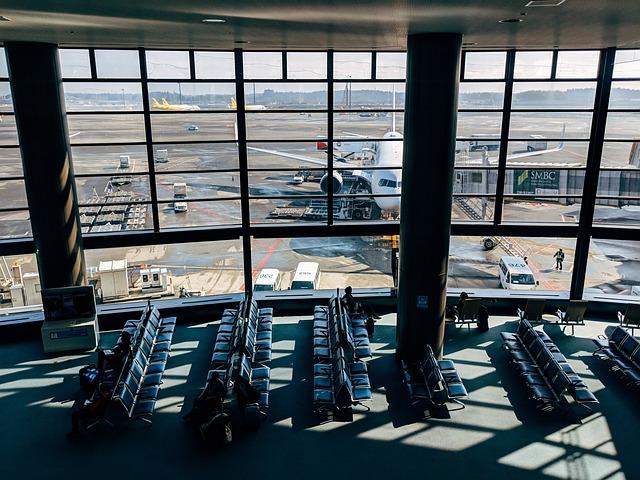
In an unexpected move that has left thousands of travelers stranded, Spirit Airlines abruptly ceased operations this week, disrupting domestic and international travel plans across the United States. The budget carrier’s sudden shutdown has sparked widespread confusion and frustration among passengers, many of whom were left scrambling for alternative flights amid growing uncertainty. This unprecedented development raises pressing questions about the airline’s financial health and the broader impact on the competitive landscape of low-cost carriers in the aviation industry.
Spirit Airlines shutdown disrupts travel plans nationwide
The sudden cessation of Spirit Airlines’ operations has sent shockwaves through the travel industry, leaving thousands of passengers stranded across the country. With flights abruptly canceled, many travelers found themselves without options, scrambling to rebook on other carriers or seeking refunds. Airports nationwide experienced a surge of frustrated customers as communication from the airline remained sparse and unclear. The disruption not only affected casual vacationers but also business travelers and those with urgent commitments, amplifying the widespread impact.
Industry experts highlight several immediate consequences of Spirit’s shutdown:
- Increased demand on rival airlines: Alternative carriers are facing overcrowding and inflated ticket prices as passengers rush to secure seats.
- Logistical challenges at airports: Customer service desks are overwhelmed with requests, creating long lines and delays.
- Financial losses for travelers: Many passengers worry about non-refundable bookings and ancillary fees linked to their Spirit Airlines reservations.
As regulatory bodies step in to manage the fallout, the aviation sector is bracing for potential ripple effects in scheduling and pricing that could persist for months.
Analyzing the causes behind Spirit Airlines sudden closure
Several factors appear to have converged, leading to the abrupt cessation of Spirit Airlines’ operations. Industry insiders point to financial instability exacerbated by rising fuel costs and inflationary pressures that severely impacted the airline’s profit margins. Additionally, management struggles, including reports of internal discord and poor strategic planning, weakened the company’s ability to respond to mounting challenges. Notably, the competitive landscape intensified as low-cost carriers ramped up their market share, squeezing Spirit’s revenues further and limiting its options for recovery.
Operational issues also played a significant role. Passengers and employees alike were affected by frequent flight cancellations and staffing shortages in the months leading up to the shutdown. These disruptions eroded consumer confidence and led to a sharp decline in ticket sales. Crucially, regulatory scrutiny increased after multiple safety concerns were flagged, leading to costly compliance efforts and further financial strain. Collectively, these dynamics created a perfect storm, forcing Spirit Airlines into an unexpected and swift closure.
- Rising fuel prices and inflation impacting operating costs
- Increased competition from other budget airlines
- Management and strategic missteps
- Operational disruptions causing customer dissatisfaction
- Regulatory challenges increasing compliance costs
Strategies for stranded passengers navigating cancellations and refunds
Passengers left stranded by Spirit Airlines’ sudden shutdown face a maze of uncertainties, but taking immediate, informed action can mitigate the chaos. Start by reviewing your original booking confirmation and identifying the booking reference number-this will be essential when contacting customer service or your travel agent. It’s crucial to document all communications with the airline, including emails, calls, and chat logs, as these records can support refund claims or disputes. Meanwhile, check third-party platforms and official Spirit Airlines channels for updates on cancellations and any alternative flight options offered. If your flight was part of a connecting itinerary, reach out to all carriers involved, as some may assist rebooking even if Spirit passengers hold separate tickets.
When pursuing refunds, know that your rights are backed by consumer protection laws and credit card chargebacks. Filing claims through Spirit’s official refund portal is the first step, but if delays occur, escalate the issue by contacting the Department of Transportation or your card issuer. Keep these strategies in mind:
- Contact your travel insurance provider immediately to explore coverage options for cancellations.
- Explore alternative airlines with open seats to reach your destination swiftly, even if separate purchase is required.
- Join online community forums or social media groups where fellow passengers share real-time experiences and advice.
- Check airport counters in person-some airlines assist stranded travelers on-site despite official shutdowns.
Strong preparation and persistence can help passengers navigate this unprecedented disruption and secure either refunds or rerouting options amid Spirit Airlines’ closure.
Key Takeaways
As Spirit Airlines ceases operations, thousands of travelers are left facing unexpected disruptions and logistical challenges. The airline’s sudden shutdown marks a significant shift in the industry, prompting questions about the future of low-cost carriers in the US market. Passengers affected are advised to stay in close contact with booking platforms and alternative airlines as the situation continues to unfold. USA Today will provide ongoing coverage and updates as more information becomes available.