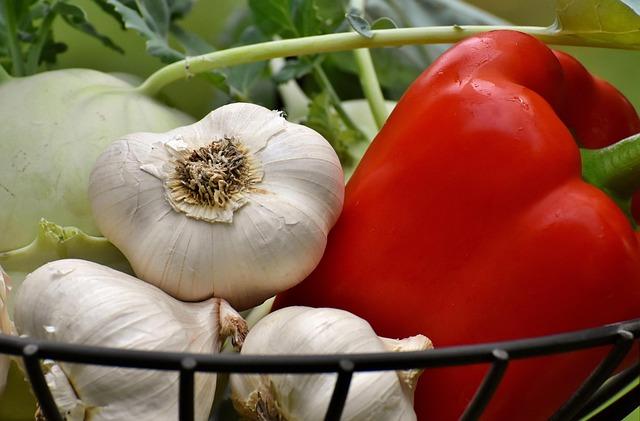
Mexico has officially commenced exports of bell peppers to Japan, marking a significant milestone in the country’s agricultural trade relations. This new development highlights Mexico’s expanding presence in the Asian market and reflects the growing demand for fresh produce in Japan. Industry experts anticipate that this move will strengthen economic ties between the two nations and open new opportunities for Mexican farmers and exporters.
Mexico Opens Door to Japanese Market with First Bell Pepper Shipment
In a landmark development for Mexico’s agricultural sector, the country has successfully sent its first shipment of bell peppers to Japan, marking a significant expansion of trade relations between the two nations. This milestone not only represents the growing demand for Mexican produce in Asian markets but also highlights the stringent quality controls and phytosanitary standards Mexico has implemented to satisfy Japanese import regulations.
Key aspects of this trade breakthrough include:
- Enhanced cooperation between Mexican exporters and Japanese authorities to streamline inspection processes.
- Boosted opportunities for local farmers, promising increased income and employment in the agricultural community.
- Potential for diversified export products as confidence builds in bilateral trade partnerships.
Navigating Export Challenges Ensures Quality and Compliance for Mexican Producers
Mexican bell pepper producers are overcoming significant obstacles to meet the stringent quality standards and regulatory requirements imposed by the Japanese market. This achievement is the result of comprehensive efforts encompassing improved agricultural practices, meticulous sorting and packaging processes, and rigorous adherence to phytosanitary regulations. By investing in state-of-the-art technology and training programs, exporters ensure that their products not only maintain freshness and visual appeal but also comply with Japan’s strict pesticide residue limits and food safety protocols.
Key strategies driving this successful export initiative include:
- Collaborative certification processes: Partnerships between growers, exporters, and government agencies facilitate transparency and traceability throughout the supply chain.
- Implementation of advanced quality control systems: Continuous monitoring during cultivation and post-harvest phases minimizes contamination risks.
- Adaptation to market-specific packaging requirements: Customized packaging ensures optimal preservation during long-distance shipping while catering to consumer preferences in Japan.
These concerted actions exemplify Mexico’s commitment to becoming a reliable supplier in Asia, setting a benchmark for produce exports from Latin America.
Recommendations for Sustaining Growth and Strengthening Mexico Japan Agricultural Trade
To build on the recent success of Mexico’s bell pepper exports to Japan, stakeholders should prioritize enhancing supply chain efficiencies. This includes investing in advanced cold storage technologies and optimizing logistics networks to preserve produce freshness during transit. Additionally, fostering stronger collaborations between Mexican growers and Japanese distributors can lead to improved market responsiveness and better alignment with consumer preferences. Emphasizing transparency and quality assurance through certifications will further solidify trust and open doors to premium market segments.
Moreover, both governments can play a pivotal role by supporting initiatives that encourage sustainable farming practices and innovation within the agricultural sector. Key recommendations include:
- Expanding bilateral agricultural research programs to develop pest-resistant and climate-resilient crop varieties tailored for export demands.
- Streamlining regulatory processes to reduce bureaucratic barriers in trade, facilitating faster approval times for new exporters.
- Providing training and capacity-building workshops for Mexican farmers on export standards and market trends in Japan.
- Promoting cultural exchange and marketing campaigns that raise awareness of Mexican agricultural products among Japanese consumers.
Implementing these strategies will not only sustain growth but also elevate the Mexico-Japan agricultural trade partnership to new heights.
Insights and Conclusions
As Mexico embarks on its first bell pepper exports to Japan, this development marks a significant milestone in the country’s agricultural trade relations with Asia. Industry experts anticipate that the move will not only diversify Mexico’s export markets but also strengthen economic ties between the two nations. Continued collaboration and adherence to quality standards will be key to sustaining growth in this promising sector. Mexico Business News will keep tracking the impact of this new venture on both domestic producers and international trade dynamics.