
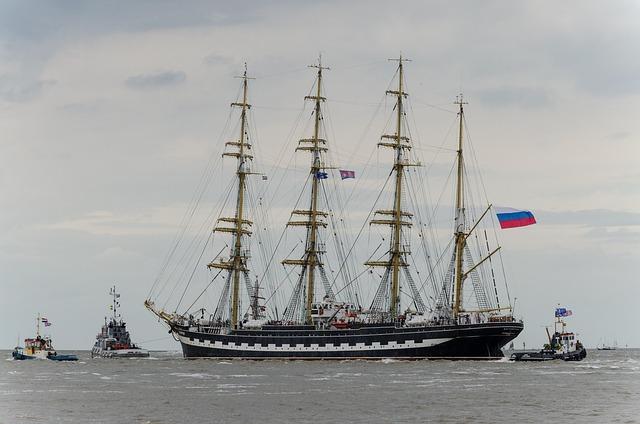
A Russian ship that sank off the coast of Spain may have been transporting components related to nuclear reactors, raising concerns among environmental and security experts. The vessel, which went down under unclear circumstances, is now the focus of investigations due to the potential presence of hazardous cargo. Authorities are closely monitoring the situation as they seek to assess any possible risks to maritime safety and the surrounding ecosystem. Further details are expected as investigations continue.
Russian Shipwreck Near Spain Raises Nuclear Safety Concerns
Authorities in Spain have intensified their investigation after a Russian cargo vessel went down near the country’s southern coast, raising significant apprehensions about potential nuclear contamination. Reports suggest the ship may have been transporting components linked to nuclear reactors, which has heightened fears about environmental safety and the risk of radioactive leakage in a region known for its rich marine biodiversity. Local officials, alongside international nuclear safety agencies, are closely monitoring the site to assess the situation and mitigate any immediate dangers.
Experts highlight several critical concerns surrounding the incident:
- Environmental impact: Potential contamination of marine ecosystems and fishing zones.
- Human health risks: Possible exposure to radioactive materials for coastal communities.
- Regulatory oversight: The need for enhanced tracking of nuclear cargo during maritime transit.
- Emergency preparedness: Readiness of local authorities to contain and respond to nuclear-related maritime accidents.
This unfolding event underscores the complexities of transporting nuclear-related materials by sea and the urgency of international cooperation to prevent ecological and public health disasters. Investigators continue to collect data from the wreck site, aiming to clarify the exact nature of the cargo and to develop a comprehensive response strategy.
Potential Environmental Impact of Submerged Nuclear Reactor Components
The presence of submerged nuclear reactor components raises serious concerns about potential long-term environmental consequences for the surrounding marine ecosystem. Radioactive materials, if compromised, can leak into the water column, contaminating sediments and bioaccumulating in marine organisms. This contamination threatens biodiversity, fisheries, and local communities dependent on the sea for sustenance and economic activity. Scientists warn that even low levels of radiation exposure can disrupt marine life reproductive cycles and food chains, with effects possibly taking decades to fully manifest.
Key environmental risks include:
- Radioactive contamination of water and sediments, impacting water quality and benthic habitats.
- Bioaccumulation of radionuclides in fish and other sea creatures, potentially entering the human food supply.
- Long-term ecological disruption, with potential reduction in species diversity and alterations in population dynamics.
- Human health risks for coastal populations relying on marine resources for food and livelihood.
Given the delicate balance of ocean ecosystems, proactive monitoring and swift containment measures are crucial to minimizing lasting damage and safeguarding marine environments near the wreck site.
Recommendations for Monitoring and Securing the Wreck Site
To ensure the integrity and safety of the wreck site, continuous underwater surveillance must be a top priority. Deploying advanced sonar systems and remotely operated vehicles (ROVs) equipped with high-resolution cameras will enable authorities to conduct real-time monitoring of any environmental hazards. Regular inspections are vital to detect potential leaks or deterioration of radioactive materials possibly contained within the ship’s cargo. Additionally, collaboration between Spanish maritime agencies, Russian experts, and international nuclear safety organizations will streamline efforts to track the site’s condition and respond quickly to any emerging threats.
Effective security measures should include:
- Establishing a restricted maritime exclusion zone surrounding the wreck to prevent unauthorized access or salvage operations.
- Implementing continuous communication protocols between naval patrols and environmental monitoring teams.
- Deploying environmental sensors to measure radiation levels in surrounding waters, ensuring early detection of contamination.
- Engaging local fishing communities and maritime stakeholders in awareness programs to report unusual activity around the site.
By combining technological vigilance with coordinated enforcement and community involvement, authorities can better safeguard the sensitive area and mitigate the risks posed by the ship’s potential nuclear cargo.
To Conclude
As investigations continue into the circumstances surrounding the sinking of the Russian ship near Spanish waters, authorities remain focused on assessing potential environmental and security risks linked to its cargo. With reports suggesting the vessel may have been transporting nuclear reactor parts, experts emphasize the importance of transparency and international cooperation to address any hazards. Further updates are expected as more information becomes available.