
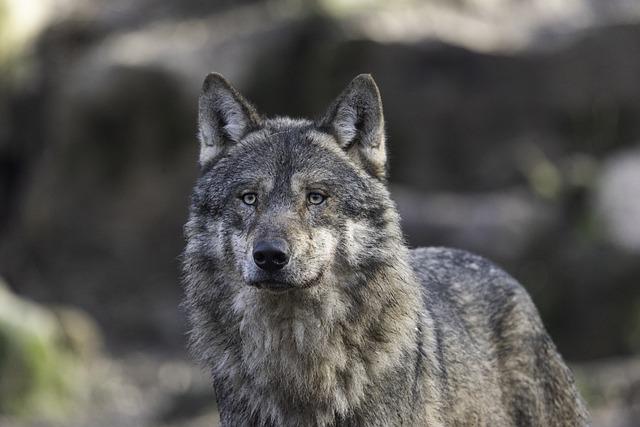
In response to a recent surge in bear attacks across rural Japan, authorities have deployed innovative “Monster Wolf” robots designed to deter aggressive wildlife and enhance public safety. Developed as part of a broader effort to address escalating human-animal conflicts, these robotic devices mimic predatory behaviors to keep bears at bay. The initiative reflects growing concerns over the increasing frequency of encounters between residents and bears, prompting officials to turn to cutting-edge technology to protect vulnerable communities.
Monster Wolf Robots Deployed Across Japan to Counter Rising Bear Encounters
Japan is harnessing cutting-edge technology to address a disturbing rise in bear encounters that have threatened both rural communities and urban outskirts. The introduction of the so-called “Monster Wolf” robots marks a pioneering effort to restore balance between humans and wildlife. These advanced robotic units, designed to mimic the natural predators of bears, are equipped with sensors, AI-driven threat detection, and loudspeaker systems that emit wolf-like howls to deter the increasingly bold bears from venturing into inhabited areas.
Key features of the Monster Wolf robots include:
- Autonomous patrol capabilities along forested regions and village perimeters.
- Real-time communication with local authorities and wildlife experts for rapid response.
- Eco-friendly materials aimed at minimizing environmental impact.
- Adaptive learning algorithms that improve deterrent effectiveness over time.
Initial field tests have shown promising results, with bear activity decreasing significantly in monitored zones. As more units are deployed nationwide, Japan sets a new benchmark in the use of robotics to coexist peacefully with nature while safeguarding its citizens.
How Advanced Robotics Are Shaping Wildlife Management and Public Safety
In a groundbreaking approach to wildlife management, Japanese authorities have introduced the “Monster Wolf” robots to combat a rising number of bear attacks threatening rural communities. These advanced robotic units, modeled after wolves, use cutting-edge artificial intelligence and sensory technologies to mimic natural predators, effectively deterring bears from entering human-populated areas. Equipped with motion sensors, sound emitters, and realistic movements, the robots create a persistent psychological barrier for bears, reducing the risk of dangerous encounters without causing harm to the animals.
The deployment of these robots marks a significant shift toward integrating robotics in public safety protocols, combining ecological sensitivity with high-tech innovation. Key features of the “Monster Wolf” robots include:
- Autonomous patrol capabilities: allowing continuous monitoring even in remote or rugged terrains.
- Non-lethal deterrence: ensuring wildlife preservation while maintaining community protection.
- Data collection sensors: providing real-time information on animal movements to help wildlife experts adapt strategies over time.
This initiative exemplifies how sophisticated robotics can enhance coexistence between humans and wildlife, offering a replicable model for other regions grappling with similar challenges worldwide.
Experts Urge Continued Innovation and Community Engagement to Mitigate Wildlife Conflicts
In response to the alarming rise in bear encounters across rural Japan, specialists emphasize that innovative technology alone cannot resolve complex wildlife conflicts. While the deployment of ‘Monster Wolf’ robots has garnered attention for its futuristic approach to scaring off bears, experts stress the necessity of combining such advances with robust community involvement. Local residents, researchers, and policymakers must collaborate to develop sustainable strategies that safeguard both human populations and wildlife habitats.
Key recommendations from wildlife authorities include:
- Enhanced public education campaigns to raise awareness about bear behavior and safety practices.
- Investment in non-lethal deterrents such as auditory and visual scare devices, alongside the robotic guardians.
- Regular community workshops fostering dialogue between wildlife experts and affected villagers.
- Data-driven monitoring programs to track animal movements and preempt potential conflicts.
By bridging technology with active community stewardship, Japan aims to create a replicable model for coexistence amid escalating wildlife encounters worldwide.
In Summary
As bear encounters continue to rise in parts of Japan, the deployment of the “Monster Wolf” robots represents a novel approach to mitigating human-wildlife conflicts. While it remains to be seen how effective these robotic deterrents will be in the long term, authorities are hopeful that technology can play a key role in enhancing public safety without resorting to more aggressive wildlife control measures. The situation underscores the growing need for innovative solutions as communities worldwide grapple with the challenges posed by wildlife encroachment.