
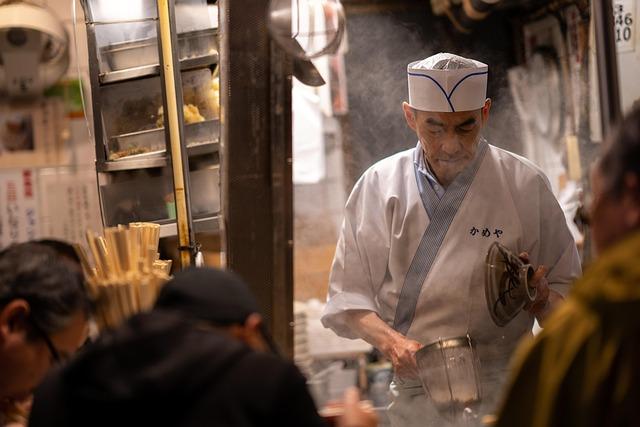
Japan’s restaurant industry is facing significant challenges as a recent visa pause for high-demand foreign workers disrupts staffing levels across the sector. With labor shortages already a pressing concern, the suspension of new visa issuances for foreign employees has intensified operational difficulties for eateries nationwide. This move, announced by the government amid broader immigration policy reviews, has sparked concern among restaurant owners and industry representatives who rely heavily on international workers to fill essential roles. The development highlights ongoing tensions between Japan’s strict immigration controls and the urgent need for foreign labor to sustain key service industries.
Impact of Visa Suspension on Japan’s Restaurant Labor Shortage
Japan’s ongoing visa suspension targeting specific foreign workers has significantly exacerbated the labor shortages plaguing the restaurant industry. With a growing reliance on high-demand foreign talent to fill roles in kitchens and service floors, many establishments now face unprecedented staffing challenges. The halt in visa processing disrupts recruitment pipelines, forcing restaurants-already strained by pandemic-related restrictions-to operate with skeletal crews. This shortage not only jeopardizes daily operations but also hinders expansion plans for businesses seeking to revive the sector amid recovering domestic demand.
Industry experts warn that the ripple effects extend beyond immediate service gaps, potentially impacting overall economic recovery. Key issues highlighted include:
- Increased operational costs: With fewer workers available, restaurants are compelled to offer higher wages and incentives to retain existing staff.
- Limited business hours: Some eateries have reduced their opening times due to insufficient manpower.
- Quality and service concerns: Overworked employees face burnout, which can affect customer experience.
- Slowed innovation: Expansion of global cuisine options and new outlets often hinge on the availability of skilled foreign staff.
As the government weighs potential policy adjustments, restaurateurs urge swift action to minimize prolonged disruption and secure the sector’s fragile comeback.
Challenges Faced by Foreign Workers Amid New Immigration Restrictions
The tightening of immigration policies has placed foreign workers in an increasingly precarious position, particularly those employed in Japan’s bustling restaurant industry. Many face uncertainty over visa renewals and application delays, disrupting both their professional and personal lives. The sudden pause on visa issuances for high-demand sectors has led to a spike in job insecurity, with workers unable to commit to long-term plans. Additionally, the bureaucratic hurdles have intensified, causing significant stress among foreign employees who find themselves caught in a limbo, often unable to legally extend their stay or switch employers.
Beyond administrative difficulties, many foreign workers experience heightened social and economic challenges as a result of these restrictions. Common issues include:
- Reduced access to healthcare and social services due to expired or pending documentation
- Increased vulnerability to exploitation by employers aware of their precarious legal standing
- Difficulty in securing stable housing and financial security amid uncertain employment conditions
These obstacles not only hinder the personal welfare of foreign workers but also threaten to exacerbate labor shortages that affect Japan’s restaurant sector sustainability.
Strategies for Restaurants to Navigate Staffing Gaps and Maintain Service Quality
In the face of ongoing visa restrictions for foreign workers, many restaurants across Japan are compelled to adopt innovative approaches to bridge staffing shortfalls without compromising service excellence. Embracing technology has become a critical strategy, with establishments integrating AI-powered reservation systems and automated ordering processes to streamline operations and reduce reliance on frontline staff. Additionally, cross-training existing employees has empowered teams to handle multiple roles, ensuring flexibility during peak hours and unforeseen absences.
Restaurant owners are also emphasizing employee retention and satisfaction to mitigate turnover, offering enhanced incentives such as flexible scheduling, performance bonuses, and professional development opportunities. Some venues have turned to engaging local communities by partnering with culinary schools and hosting internships, effectively cultivating a new generation of skilled workers. Key measures being prioritized include:
- Leveraging automation and digital tools to optimize workflow efficiency
- Investing in staff training for role versatility and skill enhancement
- Creating attractive work environments through benefits and career growth
- Fostering community partnerships to support workforce development
Insights and Conclusions
As Japan continues to grapple with a shortage of skilled foreign workers in its restaurant industry, the temporary visa pause has underscored the delicate balance between immigration policy and economic demand. While the government reviews its approach to managing high-demand foreign labor, restaurants across the country face mounting challenges in maintaining operations. The situation remains fluid, with industry stakeholders urging for swift policy adjustments to address the pressing workforce gaps critical to sustaining Japan’s vibrant dining scene.