
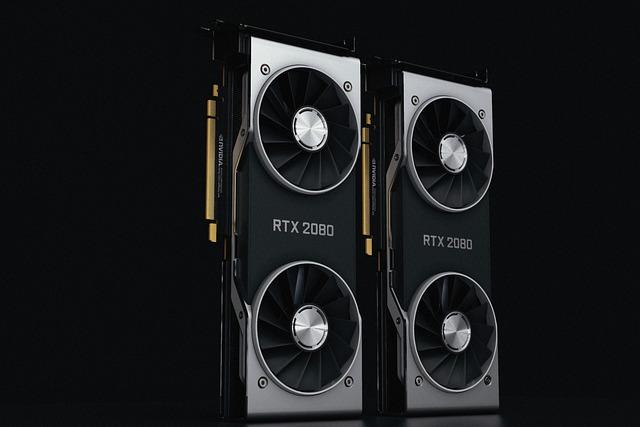
Nvidia has acknowledged a significant setback in its efforts to penetrate China’s artificial intelligence chip market, conceding that the dominant share has largely been secured by domestic technology giant Huawei. The admission highlights the intensifying competition and geopolitical complexities shaping the global semiconductor landscape, as U.S.-based firms face mounting challenges in expanding their influence amid China’s push for technological self-reliance. This development underscores a pivotal shift in the AI chip industry, with major implications for innovation, trade, and international relations.
Nvidia Acknowledges Huawei’s Dominance in China’s AI Chip Industry
Nvidia has openly recognized the significant lead Huawei holds within China’s AI chip sector, a market the American chipmaker admits it has “largely conceded.” The acknowledgment marks a notable shift in the competitive landscape, as Nvidia grapples with increasing regulatory barriers and strategic challenges in accessing the Chinese tech ecosystem. Despite its global dominance in AI hardware, Nvidia faces an uphill battle against Huawei’s deep integration with domestic supply chains and government-backed initiatives aimed at fostering self-reliance in advanced semiconductor technologies.
Key factors driving Huawei’s supremacy include:
- Robust national support: Heavy investment from Chinese authorities fuels accelerated research and development efforts.
- Tailored domestic solutions: Huawei’s AI chips are optimized for local tech requirements, ensuring superior performance in China’s unique market environment.
- Strategic partnerships: Close collaborations with Chinese software and hardware companies strengthen Huawei’s ecosystem dominance.
While Nvidia continues to make strides worldwide, the company’s candid admission underscores the complex intersection of geopolitics and technology innovation shaping the AI chip industry’s future in China.
Implications for Global Semiconductor Competition and Innovation
The acknowledgment by Nvidia that it has “largely conceded” the Chinese AI chip market to Huawei signals a significant shift in the global semiconductor landscape. This concession underscores the rising technological sovereignty ambitions of China, where state-backed giants like Huawei are increasingly innovating and scaling their capabilities. As a result, the semiconductor competition that once revolved predominantly around U.S. and Taiwanese firms is evolving into a more multifaceted rivalry, marked by geopolitical tensions and nationalistic strategies. China’s accelerated investment in domestic chip design and production is reshaping supply chains and challenging Western dominance in AI hardware development.
For global innovation, this dynamic carries both risks and opportunities. On one hand, the segmentation of markets may lead to divergent technologies and standards, potentially complicating international collaboration and slowing the pace of breakthrough innovations. On the other hand, the intensified competition can fuel robust R&D efforts and specialization, benefiting sectors such as AI, autonomous driving, and cloud computing. Key factors to watch include:
- Increased government support: National policies aimed at reducing reliance on foreign tech.
- Intellectual property challenges: Navigating cross-border tech transfer and innovation protection.
- Supply chain realignment: Diversifying manufacturing hubs beyond traditional centers.
Strategies for Nvidia to Reinforce Its Position Amid Rising Chinese Competitors
In response to increasing pressure from Chinese rivals such as Huawei, Nvidia must adopt a multidimensional approach to maintain its industry dominance. Prioritizing investment in research and development is crucial, particularly in advancing AI chip architectures that optimize performance while reducing energy consumption. Strengthening partnerships with leading tech firms and cloud service providers globally can also fortify Nvidia’s ecosystem, creating a robust network effect that competitors will find difficult to replicate.
Moreover, expanding into emerging markets and diversifying revenue streams will help Nvidia mitigate risks associated with geopolitical tensions and market saturation in established regions. Key strategies include:
- Enhancing custom chip solutions tailored to specific industries such as automotive and healthcare, where AI applications are rapidly growing.
- Collaborating with governments and regulatory bodies worldwide to shape policies that encourage innovation and protect intellectual property.
- Leveraging software optimization and AI frameworks that complement its hardware offerings, thereby increasing customer lock-in and value creation.
In Retrospect
As Nvidia acknowledges it has “largely conceded” China’s AI chip market to Huawei, the move highlights the shifting dynamics in the global semiconductor industry amid ongoing geopolitical tensions. With Huawei solidifying its position domestically, Nvidia will likely focus on other markets and innovation strategies moving forward. The evolving landscape underscores the challenges foreign technology firms face in China and signals a new chapter in the competition over advanced AI hardware development.