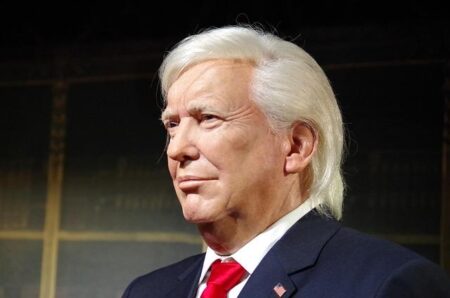

Kevin Warsh was officially sworn in as chairman of the Federal Reserve today, marking the beginning of a new chapter for the central bank amid ongoing economic uncertainties. As the U.S. faces challenges ranging from inflation pressures to fluctuating markets, Warsh’s leadership is expected to influence monetary policy direction and broader financial stability. This article explores what shifts may occur under his tenure and how his approach could impact the Federal Reserve’s role in guiding the nation’s economy.
Kevin Warsh Takes Helm as Fed Chair Signaling Shift in Monetary Policy
Kevin Warsh’s appointment as the Federal Reserve Chair marks a notable transition in the nation’s monetary policy approach. Known for his analytical rigor and emphasis on market stability, Warsh is expected to steer the central bank towards a more pragmatic balance between controlling inflation and supporting economic growth. Experts suggest that under his leadership, the Fed may adopt a cautious stance on interest rate adjustments, signaling potential shifts in the timing and scale of future moves.
The new chair’s priorities are anticipated to include:
- Enhanced communication strategies to improve transparency with markets and the public
- Data-driven policy decisions emphasizing economic indicators and financial market signals
- Focus on long-term economic stability while managing short-term inflation pressures
Warsh’s tenure is being closely watched by economists and investors alike, as his leadership could reshape the trajectory of U.S. monetary policy in a period marked by dynamic economic challenges.
Implications for Interest Rates and Economic Growth Under Warsh’s Leadership
Kevin Warsh’s ascendancy to the Fed’s helm is expected to bring a nuanced approach to monetary policy, especially concerning interest rates. Observers anticipate a cautious but steady path, balancing the need to curb inflation without stalling economic expansion. Warsh’s background in financial markets suggests potential openness to gradual rate hikes, aiming to avoid abrupt shocks to the economy. This strategy could mean maintaining a patient stance amid evolving economic data while ensuring the Fed remains responsive to signs of overheating or sluggish growth.
Under his leadership, the Federal Reserve may also emphasize transparency and communication, providing clearer signals to markets about future policy moves. Key implications include:
- Measured interest rate adjustments designed to sustain long-term growth.
- Vigilant monitoring of employment trends to align policy with labor market realities.
- Focused efforts to maintain financial stability amidst global uncertainties.
Analysts suggest that Warsh’s pragmatic outlook could foster an environment where economic growth remains robust without triggering excessive inflation pressures, signaling a potentially stable chapter for the central bank’s role in the U.S. economy.
Recommendations for Markets and Policymakers Amid Fed’s New Direction
In light of the Federal Reserve’s shift under Kevin Warsh’s leadership, markets and policymakers are urged to adopt a proactive and adaptive stance. Investors should brace for potential volatility as the Fed recalibrates its approach to interest rates and inflation targeting. Risk management strategies, including diversification and hedging, are more critical than ever to navigate the uncertain landscape. Market participants must stay attentive to Fed communications, as nuanced signals may herald significant shifts in monetary policy that could impact asset valuations and borrowing costs.
For policymakers, collaboration and transparency with the Federal Reserve will be key to sustaining economic stability. Fiscal authorities should complement monetary efforts by implementing measures that promote sustainable growth without overheating the economy. Recommendations include:
- Enhancing fiscal discipline to avoid exacerbating inflationary pressures
- Investing in long-term productivity boosters such as infrastructure and education
- Maintaining open dialogue with the Fed to align policy goals and expectations
By embracing these strategies, markets and policymakers can better navigate the Fed’s evolving monetary landscape and foster resilient economic progress.
To Conclude
As Kevin Warsh takes the helm as chairman of the Federal Reserve, the central bank stands at a pivotal juncture amid evolving economic challenges. Market participants and policymakers alike will be closely watching how his leadership shapes monetary policy and addresses issues such as inflation, employment, and financial stability. While the full impact of Warsh’s tenure remains to be seen, his stewardship is set to influence the direction of the U.S. economy in the years ahead.