
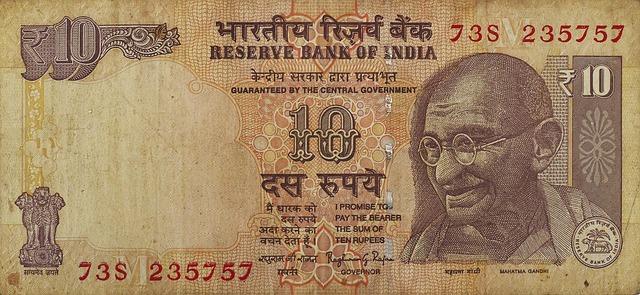
The Indian rupee surged to a two-week high on Tuesday as a significant decline in global oil prices eased inflation concerns and reduced import costs. This currency strength was accompanied by a dip in forward premiums, reflecting increased market optimism and lower demand for hedging against future volatility. Market participants closely monitored these shifts amid broader global economic uncertainties, highlighting the rupee’s sensitivity to crude price movements and their impact on India’s trade and fiscal outlook.
Rupee Surges to Two Week High on Declining Oil Prices
The Indian rupee strengthened significantly against the US dollar, reaching a two-week peak amid a notable drop in global crude oil prices. This decline in oil rates has eased pressure on India’s import bill, bolstering investor sentiment and supporting the local currency’s appreciation. Market participants observed that the rupee’s resilience was further aided by stable capital inflows and a cautious stance among exporters.
Key factors influencing the rupee’s rally:
- Falling crude oil prices reducing India’s import expenditure
- Improved risk appetite among foreign investors
- A dip in forward premium levels reflecting tempered hedging demand
- Steady macroeconomic indicators sustaining confidence
Analysts suggest that if oil prices maintain their downward trajectory, the rupee is poised to sustain or even extend its gains. However, geopolitical uncertainties and forthcoming global central bank policies remain critical variables that could sway currency dynamics in the near term.
Forward Premiums Ease as Market Sentiment Shifts Amid Global Energy Trends
The Indian rupee strengthened to a two-week high against the US dollar, buoyed by easing forward premiums that reflect a calmer outlook on currency volatility. Market participants have noted a significant shift in investor sentiment as global energy prices witnessed a notable decline. This movement has alleviated concerns about inflationary pressures and reduced the urgency for aggressive hedging through forward contracts, leading to a softening in premium rates. The downward trajectory in crude oil prices, triggered by a combination of supply tapering and subdued demand projections, played a pivotal role in moderating these forward market dynamics.
Analysts highlight several factors influencing this shift:
- Improved supply chain conditions reducing logistical risks in energy markets
- Geopolitical developments easing tensions in key oil-producing regions
- Global economic data pointing to a slowdown in industrial demand, dampening oil consumption forecasts
Collectively, these elements have fostered a more optimistic environment for emerging market currencies like the rupee, encouraging foreign investors to recalibrate their exposure strategies. The softening of forward premiums suggests a reduction in perceived currency risk, potentially paving the way for greater stability in the near term amid ongoing global market recalibrations.
Analysts Recommend Cautious Optimism for Investors Watching Currency and Commodity Movements
Market analysts advise investors to approach current currency and commodity trends with cautious optimism as the Indian rupee climbs to its highest level in two weeks. The currency’s strengthening is largely attributed to the slump in global oil prices, which has also led to a noticeable dip in forward premiums. Experts emphasize that while the rupee’s rally offers some respite to importers and policymakers, underlying volatility in commodity markets requires measured expectations moving forward.
Key factors influencing the market dynamics include:
- Declining crude oil prices easing inflationary pressures and improving trade balances.
- Reduced demand for forward hedging as exporters recalibrate risk management strategies.
- Potential geopolitical uncertainties that could swiftly alter commodity valuations and currency flows.
Investors are urged to monitor these variables closely, balancing short-term gains against possible fluctuations in the global economic landscape.
In Conclusion
As the rupee climbs to a two-week high amid falling oil prices, market participants will closely monitor how these dynamics influence broader economic indicators and trade balances in the coming weeks. With forward premiums easing, traders are recalibrating expectations for the currency’s near-term trajectory. Analysts suggest that sustained trends in global oil markets and domestic economic policies will remain key drivers for the rupee’s performance moving forward.