
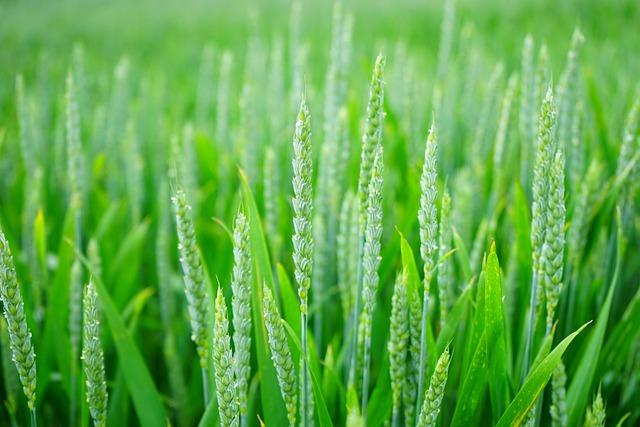
A late-May heat wave poised to sweep across France threatens to place significant stress on the country’s wheat crops, according to recent reports from DTN Progressive Farmer. With temperatures expected to soar well above seasonal averages, agronomists warn that the prolonged heat during critical growth stages could impact yield potential and grain quality. As one of Europe’s leading wheat producers, France’s harvest outlook is closely watched by global markets, making the unfolding weather conditions a key factor in the agricultural sector’s short-term forecasts.
Late May Heat Wave Threatens Crop Yields Across Key French Wheat Regions
The recent surge in temperatures across France has raised concerns among agricultural experts as soaring heat threatens to reduce wheat yields in some of the country’s most important growing regions. Farmers are reporting accelerated crop development, which could lead to premature maturation and potentially diminish grain quality. This late-May heat wave is especially critical because it coincides with the grain filling stage, a phase highly sensitive to environmental stress. Crop monitoring agencies caution that sustained high temperatures, coupled with limited rainfall, may exacerbate drought conditions, further stressing the wheat plants.
Key factors contributing to the risk include:
- Extended periods of daytime temperatures exceeding 30°C (86°F)
- Reduced soil moisture levels in central and southwestern France
- Increased evaporation rates impacting water availability
- Potential for heat-induced spikelet sterility affecting yield weight
As agronomists and farmers grapple with this challenge, efforts to mitigate damage are underway, including targeted irrigation and adaptive crop management practices. However, the full impact of this heat event on France’s annual wheat production will only become clear in the coming weeks as the crops approach harvest readiness.
Experts Warn of Increased Stress on Developing Wheat and Potential Quality Declines
Scientists and agronomists are raising alarms as a persistent heat wave sweeps across key wheat-growing regions in France, potentially jeopardizing crop development. With temperatures soaring above seasonal norms, the critical late-May growth phase faces unprecedented stress. Experts highlight that these conditions may disrupt the grain-filling stage, leading to smaller kernels and diminished overall yields. The risk is particularly acute for durum and hard red wheat varieties, which are more sensitive to heat during this vulnerable period.
Key concerns impacting wheat crops include:
- Accelerated plant maturation, reducing kernel weight and volume.
- Decline in protein content, negatively affecting baking quality.
- Heightened vulnerability to disease and pest infestations due to plant stress.
Farmers and industry stakeholders are closely monitoring forecasts and exploring adaptive strategies to mitigate the damage. As climate patterns continue to shift, such weather events are expected to become more frequent, prompting calls for increased investment in heat-resilient crop varieties and advanced agronomic practices.
Farmers Advised to Monitor Soil Moisture and Implement Adaptive Irrigation Strategies
As temperatures continue to soar during this late-May heat wave, agricultural experts emphasize the urgency for farmers to stay vigilant about soil moisture levels. Maintaining optimal soil hydration is critical to mitigate heat stress on France’s wheat crops, ensuring plant resilience during this vulnerable growth phase. Farmers are encouraged to utilize soil moisture probes and remote sensing technologies to obtain precise, real-time data that can inform timely irrigation decisions.
Key adaptive irrigation strategies include:
- Scheduling irrigation during cooler parts of the day to reduce evaporation losses.
- Employing deficit irrigation techniques to conserve water while maintaining crop health.
- Utilizing drip or precision irrigation systems to deliver targeted moisture directly to root zones.
- Monitoring weather forecasts closely to anticipate changes and adjust watering routines proactively.
Implementing these measures can help sustain wheat yield potential despite the challenging hot and dry conditions expected to persist into early June.
Wrapping Up
As France’s wheat fields face the brunt of the late-May heat wave, farmers and industry experts remain watchful of its potential impact on crop yields and quality. With temperatures soaring beyond typical seasonal norms, the coming weeks will be critical in determining the full extent of stress on the nation’s staple crop. Stakeholders will continue monitoring weather patterns and soil conditions closely as they prepare for possible adjustments in management strategies. The evolving situation underscores the ongoing challenges posed by climate variability to agricultural production in one of Europe’s key grain-growing regions.