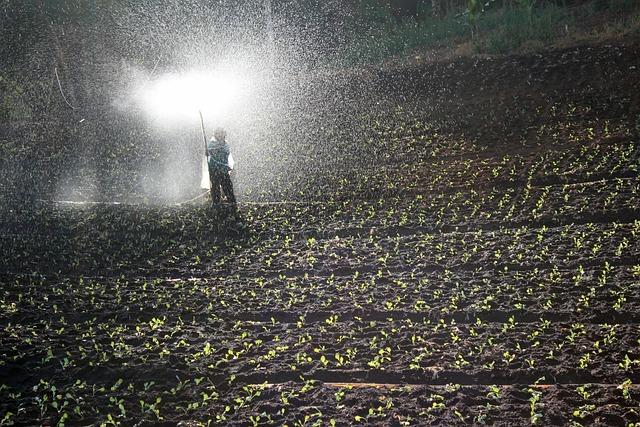
Brazil is accelerating efforts to achieve fertilizer independence amid mounting uncertainties in the global supply chain for key agricultural nutrients. As international markets face divergent risks across major fertilizers such as nitrogen, phosphorus, and potassium, the South American agricultural powerhouse is seeking to secure its own sources and production capabilities. This strategic pivot aims to shield Brazil’s critical farming sector from price volatility and supply disruptions that have rippled through global markets in recent years, underscoring the country’s drive toward greater self-sufficiency and food security.
Brazil Pursues Strategic Moves to Secure Domestic Fertilizer Production Amid Global Volatility
In response to increasing uncertainties in global fertilizer markets, Brazil is accelerating initiatives aimed at boosting domestic production capacity. This effort is seen as a critical move to shield the nation’s vast agricultural sector from supply disruptions and price volatility, particularly given recent geopolitical tensions and fluctuating export patterns from key global producers. Brazilian authorities and private sector stakeholders are collaborating to enhance infrastructure, invest in local raw material extraction, and foster technological innovation to ensure a steady and affordable supply of essential nutrients.
Key areas of focus include:
- Expansion of nitrogen and phosphate fertilizer manufacturing facilities, reducing dependence on imports from volatile sources.
- Strengthening supply chains for raw materials such as potash and ammonia through strategic partnerships and local mining ventures.
- Government incentives to promote research and development for sustainable and efficient production methods.
- Collaboration with international players to exchange technology while prioritizing Brazil’s sovereignty over fertilizer supply chains.
These combined efforts could position Brazil not only as a leader in agricultural production but also as a significant player in the global fertilizer market, ensuring resilience amid ongoing international challenges.
Diverging Supply Challenges Spotlight Urgent Need for Nutrient-Specific Policy Interventions
As global fertilizer markets face unprecedented volatility, it has become clear that a one-size-fits-all approach is insufficient to address the complex challenges emerging for different nutrient supplies. While nitrogen fertilizers experience relatively stable availability due to domestic production in some regions, critical shortages of phosphorus and potash have amplified concerns among agricultural producers worldwide. This divergence in supply dynamics demands targeted policy efforts that recognize the unique production, trade, and geopolitical factors influencing each nutrient’s accessibility.
Key issues demanding urgent attention include:
- Phosphorus dependency: With limited global reserves concentrated in a few countries, disruptions in phosphate rock exports threaten food security in import-reliant nations.
- Potash supply constraints: Trade restrictions and production bottlenecks have tightened access to this essential nutrient, driving up costs for farmers.
- Nitrogen production variability: Fluctuations in natural gas prices, the primary input for nitrogen fertilizer synthesis, continue to impact supply chains differently across regions.
These challenges underscore the urgent need for nuanced, nutrient-specific policy frameworks. Countries like Brazil are pioneering moves to bolster domestic fertilizer capacity and cultivate strategic partnerships that reduce reliance on unstable import markets. Such proactive approaches could serve as blueprints for enhancing nutrient autonomy, safeguarding agricultural productivity, and stabilizing food systems amid growing global uncertainties.
Experts Recommend Diversified Sourcing and Investment in Local Technologies to Ensure Long-Term Fertilizer Security
Industry leaders emphasize that relying on a single source or type of fertilizer leaves nations vulnerable to geopolitical tensions and market fluctuations. To counter these risks, Brazil is urged to broaden its supply chain by tapping into multiple international markets and diversifying nutrient inputs. This approach not only mitigates risks associated with price spikes but also stabilizes availability across the key nutrients essential for crop yields. Experts note that fostering a diversified portfolio-encompassing nitrogen, phosphorus, and potassium sources-from varied global suppliers is critical to maintaining steady production levels.
Investing in homegrown technological innovations is equally vital. Local advancements in fertilizer manufacturing, recycling nutrient-rich waste, and developing more efficient application techniques can significantly reduce dependency on imports. Specialists advocate for increased funding in research and development, highlighting how tailored solutions designed to suit Brazil’s unique agricultural landscape will enhance sustainability. These initiatives include:
- Enhanced biofertilizers adapted to regional soil conditions
- Improved nutrient recovery methods from agricultural residues
- Smart fertilizer formulations minimizing environmental impact
By harnessing local technology alongside diversified sourcing strategies, Brazil aims to build long-term resilience in its fertilizer supply chain amid an increasingly complex global market.
The Conclusion
As Brazil moves decisively toward fertilizer independence, the nation aims to insulate its agricultural sector from the volatility and supply disruptions that have rattled global markets. With divergent risks affecting key nutrients worldwide, Brazil’s strategic investments in domestic production and resource diversification signal a critical shift toward self-reliance. While challenges remain, this drive not only promises greater stability for the country’s vital farming industry but could also reshape regional fertilizer dynamics in the years ahead. RFD-TV will continue to monitor these developments as Brazil charts its course amid an increasingly complex global nutrient landscape.