
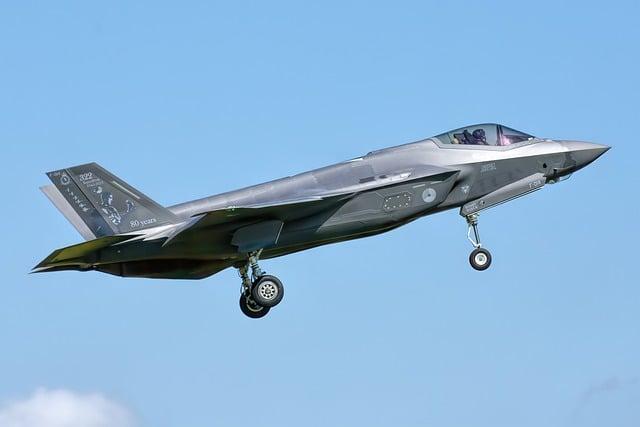
Canada is poised to significantly expand its fighter jet capabilities with a potential mixed fleet of more than 100 aircraft, according to sources familiar with the matter. The Royal Canadian Air Force is reportedly considering acquiring both Lockheed Martin’s F-35 Lightning II and Saab’s Gripen fighters as part of an evolving procurement strategy. This development comes amid ongoing debates over cost, capability, and industrial benefits, marking a pivotal moment in Ottawa’s efforts to modernize its air combat fleet.
Ottawa Weighs Strategic Benefits of Combining F-35s and Gripens in Fleet
Canadian defense officials are exploring the advantages of integrating both the cutting-edge F-35 fighter jets with the versatile Gripen aircraft to modernize the country’s air capabilities. Sources close to the discussions reveal that the combined fleet could exceed 100 planes, signaling a significant expansion beyond previous projections. This approach aims to balance the high-end stealth and multirole functions of the F-35 with the cost-effective agility and lower operational expenses of the Gripen, potentially offering Ottawa a more adaptable and resilient air force.
Key factors driving this strategy include:
- Strategic flexibility: Diverse aircraft improve mission readiness across various combat and patrol scenarios.
- Economic efficiency: Gripens present a more affordable option for routine operations, preserving F-35 resources for complex missions.
- Technological synergy: The integration of different systems could enhance interoperability and tactical options.
As procurement discussions advance, policymakers weigh these benefits against budgetary constraints and long-term defense objectives, signaling a transformative chapter in Canada’s aerial defense planning.
Operational Challenges and Cost Implications of Managing a Mixed Fighter Jet Fleet
Maintaining a diverse fleet consisting of both F-35s and Gripens presents a significant set of operational hurdles for the Canadian Armed Forces. Each fighter jet model requires distinct training programs for pilots and ground crews, specialized maintenance protocols, and separate logistical support chains. The complexity of managing two cutting-edge platforms simultaneously increases the risk of operational inefficiencies, such as aircraft downtime and inventory mismanagement. Additionally, integrating disparate technologies complicates interoperability during joint missions, potentially impacting the effectiveness of Canada’s air defense capabilities.
The financial burden of sustaining this mixed fleet cannot be understated. Beyond the initial acquisition costs, ongoing expenses grow exponentially due to the need for dual supply chains, contractor partnerships, and specialized infrastructure. Budget forecasts suggest that duplicative investments in spare parts, software updates, and training simulators could strain defense spending. Key cost drivers include:
- Separate maintenance facilities and tooling for each aircraft type
- Distinct pilot and technical support training regimens
- Logistical challenges in supply chain coordination and inventory control
- Higher long-term modernization and upgrade expenses to keep both platforms combat-ready
Consequently, decision-makers face a delicate balancing act between operational flexibility and fiscal responsibility as Canada moves forward with its ambitious fleet expansion plans.
Experts Recommend Streamlining Procurement to Enhance Fleet Integration and Readiness
Industry specialists emphasize that consolidating procurement processes is critical for ensuring the seamless integration of Ottawa’s anticipated mixed fleet of F-35s and Gripens. By adopting a unified acquisition strategy, the Department of National Defence could reduce logistical complexities and facilitate interoperability between the two cutting-edge aircraft types. Experts argue that streamlining contracts and aligning supply chains will minimize delays and cost overruns, ultimately enhancing the operational readiness of Canada’s air force amid an evolving geopolitical landscape.
Key recommendations from defense analysts include:
- Centralized procurement management to coordinate vendor relations and standardize equipment acquisition.
- Harmonized maintenance protocols that leverage shared technologies and training across both fleets.
- Integrated data systems for real-time monitoring and predictive maintenance to boost availability rates.
- Enhanced pilot and crew cross-training programs ensuring flexible deployment regardless of aircraft type.
Such measures are expected to not only smooth the operational transition but also maximize the lifespan and performance of the combined fleet, positioning Canada as a formidable presence in North American air defense.
Concluding Remarks
As Ottawa moves closer to finalizing its fighter aircraft procurement, the reported plan to field a mixed fleet of more than 100 F-35s and Gripens signals a significant shift in Canada’s defense strategy. Balancing advanced stealth capabilities with versatile, cost-effective options could reshape the Royal Canadian Air Force’s operational landscape for decades to come. With official confirmation still pending, observers will be watching closely as the government outlines the details and implications of this evolving military investment.