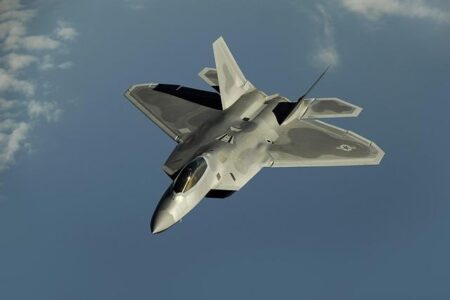

Canada and France have reached a landmark agreement to strengthen their defense cooperation, including the sharing of classified intelligence, Bloomberg reports. The accord aims to enhance joint security efforts amid growing global geopolitical challenges, marking a significant step forward in the bilateral relationship between the two nations. Details of the pact highlight commitments to deeper collaboration on military strategy, intelligence exchange, and coordinated responses to emerging threats.
Canada and France Strengthen Military Cooperation with New Defense Agreement
In a landmark move poised to reshape transatlantic security dynamics, Canada and France have finalized a new defense agreement that significantly enhances their military collaboration. Central to this pact is the unprecedented sharing of classified information, enabling both nations to synchronize their strategic operations more effectively. Defense officials underscored the agreement’s role in accelerating joint intelligence efforts, strengthening cyber defense capabilities, and facilitating advanced technological exchanges that could bolster their respective armed forces.
The accord also outlines a comprehensive framework for joint training exercises, resource sharing, and mutual support in crisis scenarios. Key elements include:
- Integrated intelligence networks to counter emerging global threats
- Expanded naval and air force cooperation in key maritime zones
- Collaborative research on defense innovation, including AI and unmanned systems
- Standardized protocols for rapid information exchange during multinational operations
Leaders from both countries hailed the agreement as a strategic milestone, emphasizing its potential to reinforce NATO’s collective security posture and enhance bilateral ties beyond traditional diplomatic avenues.
Enhanced Intelligence Sharing to Boost National Security and Counter Threats
In a landmark agreement, Canada and France have committed to expanding the scope and depth of their intelligence cooperation, marking a significant stride in bolstering national security frameworks on both sides. This partnership facilitates the real-time exchange of classified intelligence, enabling enhanced situational awareness and rapid response capabilities against emerging global threats. Key areas of focus include cybersecurity breaches, counterterrorism operations, and the monitoring of illicit transnational activities, ensuring a proactive stance in preventing security crises before they escalate.
The collaboration also establishes joint protocols for secure data handling and analytical sharing, supported by cutting-edge technology infrastructures designed to protect sensitive information. Crucial benefits of this initiative encompass:
- Improved threat detection through integrated intelligence analytics
- Streamlined communication channels between defense agencies
- Coordinated strategies to counter hybrid warfare tactics
- Enhanced training programs for intelligence personnel
By deepening their defense ties, Canada and France are positioning themselves as key allies in the global effort to safeguard democratic institutions and maintain geopolitical stability amid evolving security challenges.
Experts Recommend Expanding Joint Training Exercises and Technology Integration
Defense analysts emphasize that enhancing joint training exercises between Canadian and French forces is critical to strengthening operational cohesion. By standardizing protocols and simulating complex scenarios, both nations can ensure rapid, seamless coordination during multinational missions. Experts argue that such collaborative drills not only hone tactical skills but also foster mutual trust, which is indispensable when faced with real-world threats.
Moreover, there is a growing consensus on the need to integrate cutting-edge technologies into these cooperative efforts. Innovations such as artificial intelligence-driven intelligence sharing, advanced communication systems, and cyber defense platforms are viewed as game changers. Key recommendations include:
- Developing joint AI algorithms to analyze classified data efficiently
- Implementing secure, interoperable communication networks
- Conducting cyber resilience exercises to anticipate and neutralize digital attacks
Experts warn that neglecting technology integration could undermine progress and leave critical vulnerabilities exposed, especially in an era defined by rapid technological advancement and sophisticated threats.
Closing Remarks
As Canada and France move forward with their expanded defense partnership and enhanced intelligence sharing, both nations signal a renewed commitment to addressing global security challenges collaboratively. This agreement not only reinforces longstanding bilateral ties but also underscores the growing importance of international cooperation in the face of evolving geopolitical threats. Observers will be watching closely as the two allies implement these measures, shaping the future landscape of transatlantic defense relations.