
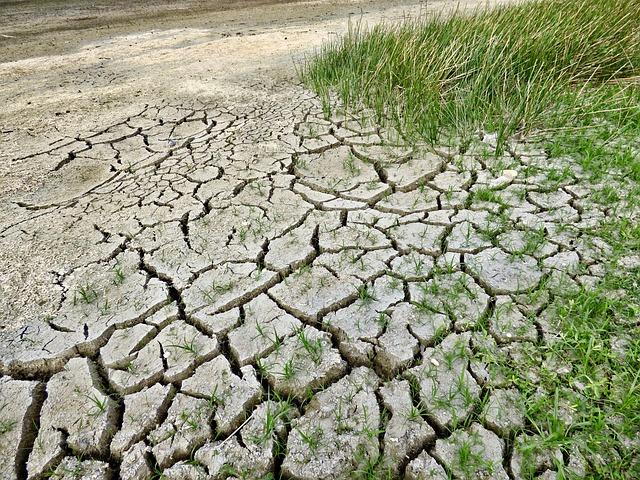
As Europe faces an unprecedented wave of extreme heat, several countries including Britain, France, Spain, and Italy have issued red alerts signaling severe weather conditions. The soaring temperatures, driven by a combination of climate change and shifting weather patterns, are straining infrastructure, prompting public health warnings, and disrupting daily life across the continent. Authorities are mobilizing resources to mitigate the impact, but the intensity and duration of the heatwave pose significant challenges, highlighting the urgent need for adaptation in the face of increasingly frequent extreme heat events.
Europe Faces Record-Breaking Heatwaves as Red Alerts Trigger Emergency Responses
Across Europe, unprecedented heatwaves have sent temperatures soaring to levels never before recorded, prompting governments to issue urgent red alerts in key countries including Britain, France, Spain, and Italy. The relentless heat has strained infrastructure, overwhelmed healthcare systems, and forced widespread disruptions to daily life. Authorities have activated emergency protocols, urging residents to stay hydrated, avoid outdoor activities during peak hours, and take precautions against heat-related illnesses. In urban centers, public cooling stations and extended operating hours for pools have been deployed to mitigate the impact on vulnerable populations, particularly the elderly and children.
Amidst the sweltering conditions, energy grids are under significant pressure due to increased demand for air conditioning, raising concerns over potential power outages. Agricultural sectors face severe challenges as crops suffer from drought and soil degradation, threatening food security and driving up costs. Governments are now collaborating with meteorological agencies and disaster response teams to enhance real-time monitoring and public communication. Key measures being emphasized include:
- Implementation of heat action plans to reduce health risks
- Deployment of emergency medical teams in high-risk areas
- Promotion of heat-resilient infrastructure investments for future climate events
- Community outreach programs targeting vulnerable groups
Impact on Public Health and Infrastructure Drives Urgent Government Action
Soaring temperatures across Europe are not only shattering records but also severely straining public health systems. Hospitals in major cities from London to Madrid have reported a surge in heat-related illnesses, including dehydration, heatstroke, and cardiac complications, particularly among vulnerable populations such as the elderly and children. Governments are rapidly mobilizing emergency services and launching public awareness campaigns emphasizing hydration and limiting outdoor activities during peak hours. Health authorities are urging citizens to adhere to safety guidelines as authorities brace for the possibility of prolonged heatwaves.
Beyond health, critical infrastructure is under unprecedented pressure. Power grids are being pushed to their limits as air conditioning usage spikes, raising concerns about potential blackouts. Transportation networks are also affected; rail lines are experiencing delays and speed restrictions due to track buckling in extreme heat. In response, countries like France and Italy have implemented contingency plans including:
- Deploying additional cooling centers in urban areas
- Adjusting work hours to cooler parts of the day
- Issuing travel advisories to mitigate disruption
- Accelerating investments in heat-resilient infrastructure
These measures underscore the urgent need for governments to adapt quickly as climate change continues to impose new challenges on European societies.
Experts Call for Long-Term Climate Adaptation and Community Preparedness Measures
Climate experts emphasize that immediate responses to extreme heat events are insufficient without a robust framework for long-term adaptation. With record-breaking temperatures becoming the new norm across Europe, specialists warn that infrastructure, healthcare, and urban planning must evolve to withstand these intensifying conditions. They advocate for integrating climate resilience into national policies, highlighting the urgent need to:
- Enhance green urban spaces to reduce the urban heat island effect
- Upgrade energy grids to cope with increased cooling demands
- Develop heat action plans tailored to vulnerable populations, including the elderly and those with preexisting health conditions
Community preparedness is equally pivotal in mitigating the impacts of heatwaves. Authorities and local organizations are urged to prioritize public awareness campaigns that educate citizens on recognizing heat-related illnesses and staying safe during extreme weather episodes. Experts also recommend fostering collaboration between government bodies, scientists, and residents to establish early warning systems and emergency response protocols. Ensuring equitable access to cooling centers and resources during emergencies is seen as a critical step in safeguarding public health. Such comprehensive strategies seek not only to manage the immediate dangers but also to build resilience against future climate challenges.
The Way Forward
As Europe continues to face unprecedented heatwaves, the issuance of red alerts across Britain, France, Spain, and Italy underscores the urgent challenges posed by extreme temperatures. Authorities are mobilizing resources to mitigate health risks and infrastructural strain, while experts call for accelerated climate action to address the root causes of such extreme weather events. The coming weeks will be critical in determining the resilience of European communities and the effectiveness of their response to an increasingly warming continent.