
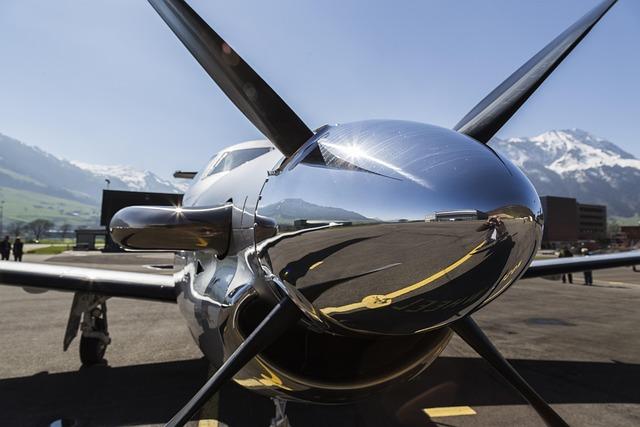
A Pilatus PC-6 aircraft engaged in a skydiving operation crashed shortly after takeoff in France, resulting in the tragic deaths of all 11 people on board. The incident, which occurred under circumstances still being investigated, has sent shockwaves through the aviation and skydiving communities. Authorities are working to determine the cause of the accident as emergency responders continue their efforts at the crash site.
Pilatus PC-6 Skydiving Plane Crashes Shortly After Takeoff in France Resulting in Multiple Fatalities
Tragedy struck in western France when a Pilatus PC-6 aircraft used for skydiving activities crashed moments after its departure, resulting in the loss of 11 lives. Authorities confirmed that the plane had taken off from a local airfield before encountering difficulties mid-air. Emergency services responded swiftly, but unfortunately, there were no survivors. The aircraft was carrying a group of experienced skydivers preparing for a routine jump when the incident occurred.
Initial investigations are focusing on several potential causes, including mechanical failure and adverse weather conditions. Officials have launched a formal inquiry to determine the exact sequence of events leading to the crash. Key details emerging from the scene include:
- Victims: Eleven people on board, all of whom were confirmed deceased.
- Aircraft type: Pilatus PC-6, widely used in skydiving operations due to its short takeoff and landing capabilities.
- Location: Close to the airport where the flight originated, underlining the tragedy’s sudden nature.
Investigation Underway to Determine Cause of Tragic Skydiving Accident
Authorities continue their efforts to piece together the events that led to the devastating crash involving the Pilatus PC-6 shortly after it departed from a popular skydiving airfield in France. Initial reports confirm that all 11 individuals on board tragically lost their lives, including experienced jumpers and crew members. Investigators from the aviation safety bureau have arrived on site, meticulously collecting evidence and interviewing witnesses to establish whether mechanical failure, human error, or environmental factors contributed to the catastrophe.
The investigation is focusing on several key areas:
- Aircraft maintenance records to determine if any technical issues were present prior to takeoff.
- Weather conditions at the time of the incident, exploring potential impacts such as wind shear or turbulence.
- Pilot and crew communications during the final moments, analyzing cockpit voice recordings if available.
- Operational procedures followed by the skydiving company, ensuring all protocols were observed accurately.
Safety Recommendations for Skydiving Operators in the Wake of Deadly Crash
In light of the recent tragedy involving the Pilatus PC-6, it is imperative for skydiving operators to intensify their safety protocols to prevent similar incidents. Comprehensive pre-flight checks should be conducted with heightened scrutiny, ensuring that every mechanical component and safety device is thoroughly inspected and documented before takeoff. Operators must also prioritize continuous pilot training, emphasizing emergency response procedures and familiarity with aircraft-specific quirks. Enhancing communication channels between ground control and pilots can provide crucial real-time updates, facilitating swift action if abnormalities arise during flight.
Additionally, adopting advanced safety technologies can play a pivotal role in mitigating risks associated with skydiving flights. Operators should consider integrating GPS tracking, automatic altitude reporting, and onboard diagnostic systems to monitor aircraft health dynamically. Implementing strict guidelines regarding weather conditions, aircraft maintenance intervals, and load limits is essential. Key safety measures include:
- Regular mechanical inspections aligned with manufacturer recommendations and aviation authority regulations.
- Mandatory safety drills for both crew and skydivers, focusing on rapid evacuation and emergency protocols.
- Use of redundant safety systems to enhance operational reliability during critical phases of flight.
- Comprehensive pilot fatigue management to ensure alertness and decision-making capabilities.
In Summary
The investigation into the Pilatus PC-6 crash is now underway, as authorities work to determine the cause of the tragedy that claimed 11 lives shortly after takeoff in France. This devastating incident underscores the inherent risks associated with aviation and skydiving operations. Updates will be provided as more information becomes available.