
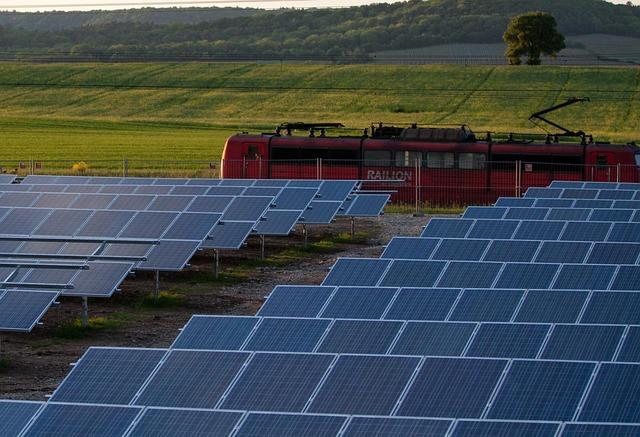
As China continues to consolidate its dominance in the global solar and energy sectors, new tensions are emerging within the European Union. The South China Morning Post reports that Brussels is preparing a series of stringent measures aimed at curbing the influx of Chinese-made renewable energy products, citing concerns over unfair trade practices and supply chain dependencies. This move signals a significant shift in the EU’s approach to energy security and industrial policy, raising questions about the future dynamics of the global clean energy market amid intensifying geopolitical and economic competition.
China’s Growing Dominance in Solar Industry Raises Strategic Concerns in Europe
China’s rapid expansion in the solar industry has significantly altered the global energy landscape, positioning the country as an unrivaled leader in photovoltaic manufacturing and renewable energy technologies. This dominance has raised alarms within European policy circles, where concerns over dependency, market manipulation, and cybersecurity risks are mounting. The proliferation of Chinese-made solar panels across Europe has not only undermined local manufacturers but also introduced vulnerabilities linked to supply chain transparency and geopolitical leverage. European officials fear that continued reliance on Chinese solar infrastructure could compromise the bloc’s strategic autonomy amid escalating geopolitical tensions.
In response, the European Union is preparing to tighten regulatory measures and increase scrutiny on imports from China’s energy sector. Key points under consideration include:
- Enhanced vetting procedures for solar technology components to mitigate hidden security risks.
- Anti-dumping tariffs aimed at protecting European manufacturers from unfairly priced Chinese imports.
- Investment restrictions targeting Chinese ownership stakes in critical European energy infrastructure.
As European powers grapple with balancing energy transition goals and strategic independence, the tightening regulatory environment is poised to redefine trade dynamics between the world’s largest energy market and the solar powerhouse in Asia.
EU’s New Regulatory Crackdown Targets Supply Chain Transparency and Sustainability
The European Union has unveiled stringent new measures aimed at bolstering transparency and sustainability across global supply chains, signaling a decisive shift in regulatory oversight. These rules, focused on enforcing rigorous due diligence, compel companies operating within the bloc to identify, assess, and mitigate environmental and human rights risks throughout their entire supply network. Businesses that fail to comply face heavy penalties, while the regulations also promote the adoption of greener and more ethical sourcing practices. Observers note that the move reflects growing consumer and political pressure in Europe to ensure corporate accountability beyond borders.
Yet, this crackdown arrives at a critical juncture as China’s dominance in the solar and broader energy sectors intensifies, potentially complicating the EU’s ambitions. With China controlling a significant share of the upstream supply chain – from raw material extraction to module manufacturing – European companies face the challenge of aligning their operations with new compliance standards without disrupting vital energy transitions. Key concerns include:
- Heightened scrutiny on Chinese suppliers and their labor practices
- Increased costs and logistical hurdles linked to supply chain transparency
- The risk of trade tensions escalating amid regulatory pressure
Industry insiders warn that balancing sustainability goals with practical energy demands will require nuanced diplomacy and robust industry collaboration moving forward.
Experts Call for Enhanced Collaboration and Diversification to Secure Europe’s Energy Future
Industry leaders and policymakers across Europe are increasingly advocating for a robust strategy that emphasizes greater collaboration among member states and a diversification of energy sources to counterbalance China’s overwhelming dominance in the solar and broader energy sector. As the EU tightens regulations in a bid to protect its domestic market, concerns mount over the potential economic repercussions and supply chain vulnerabilities that could arise from an overreliance on one external power. Experts highlight the urgency of fostering innovation, securing alternative suppliers, and enhancing cross-border energy projects as critical steps toward achieving a resilient and sustainable energy landscape.
Key recommendations proposed include:
- Increasing investments in renewable technologies beyond solar, such as wind and hydrogen.
- Strengthening strategic partnerships with non-Chinese suppliers to diversify supply chains.
- Implementing synchronized energy policies across the EU to streamline infrastructure development.
- Boosting public-private initiatives to accelerate green technology research and development.
Experts warn that without swift and decisive action, Europe’s energy sovereignty could be compromised, jeopardizing both geopolitical stability and its ambitious climate goals for the coming decades.
Key Takeaways
As China continues to solidify its dominance in the global solar and energy sectors, the European Union’s newly proposed crackdown reflects mounting concerns over dependency and supply chain security. While the EU aims to bolster its own renewable energy ambitions and safeguard critical infrastructure, industry experts warn that escalating tensions may disrupt international cooperation and slow progress on green goals. As both sides navigate this complex landscape, the coming months will be critical in shaping the future of global energy markets and the broader transition to sustainable power.