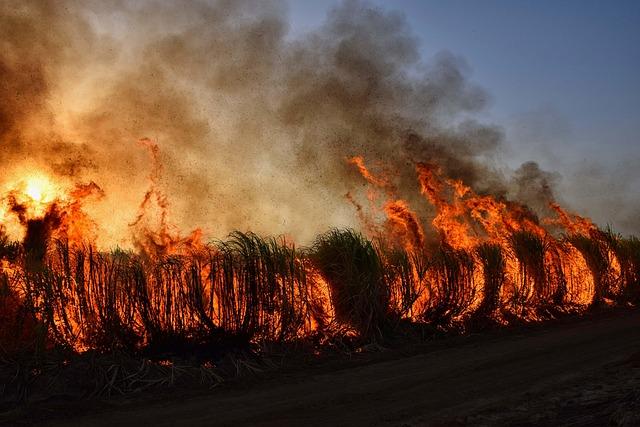
In the wake of relentless wildfires sweeping across Spain and France, more than 300,000 residents have been forced to evacuate their homes as flames continue to ravage vast areas of land. The unprecedented blazes, fueled by soaring temperatures and dry conditions, have overwhelmed firefighting efforts and prompted emergency declarations in multiple regions. Authorities are grappling with the urgent challenge of protecting communities while battling the rapidly spreading infernos that threaten both lives and livelihoods.
Massive Evacuations Underway as Wildfires Rage Across Spain and France
Flames have engulfed vast stretches of land across Spain and France, prompting authorities to initiate one of the largest evacuation efforts in recent history. More than 300,000 residents are being relocated as wildfire fronts continue to advance rapidly, fueled by soaring temperatures and dry winds. Emergency services on both sides of the border are stretched thin, battling to contain the blazes while ensuring the safety of vulnerable communities.
Local governments have issued urgent appeals, citing the following critical challenges:
- Unpredictable wind patterns complicating firefighting efforts
- Rapid depletion of water and fire retardant resources
- Displacement of wildlife and threats to protected natural parks
- Temporary shelter overcrowding and logistical hurdles
Authorities continue to coordinate closely with international aid agencies, mobilizing additional fire brigades and equipment in hopes of curbing the spread before further damage occurs. Public safety announcements urge residents to follow evacuation orders without delay and stay informed through official channels.
Impact on Communities and Environment as Flames Consume Vast Areas
Communities across southern Spain and southwestern France are grappling with the destructive force of the wildfires, which have forced hundreds of thousands to flee their homes. Entire neighborhoods and rural villages have been abandoned as evacuation orders sweep through the regions, leading to widespread displacement. Emergency shelters are now stretched to capacity, and local authorities are coordinating relief efforts to provide food, medical care, and temporary housing to evacuees. Schools and businesses remain shuttered, disrupting daily life and fuelling economic uncertainty.
The environmental toll is equally harrowing. Vast tracts of forest, farmland, and protected wildlife habitats have been reduced to scorched earth, endangering biodiversity and soil stability. The fires have released massive amounts of carbon dioxide, exacerbating climate concerns and impacting air quality across international borders. Experts warn that recovery will take years, pointing to:
- Loss of critical ecosystems supporting endangered species
- Increased risk of landslides and flooding due to deforestation
- Long-term damage to agricultural productivity
- Health repercussions stemming from smoke inhalation in affected populations
Emergency Response Measures and Preparedness Tips for Residents in High-Risk Zones
Immediate action is crucial for residents in wildfire-prone areas to safeguard lives and property. Authorities urge families to prepare an emergency kit including essentials like water, non-perishable food, medications, important documents, and personal protective gear such as N95 masks. Residents should stay informed through local news and official channels, adhering strictly to evacuation orders without delay. Clearing dry vegetation, maintaining defensible space around homes, and having multiple evacuation routes planned can greatly reduce risk during sudden flare-ups.
Community preparedness extends beyond individual households. Neighbors are encouraged to coordinate and assist vulnerable populations, ensuring that the elderly, disabled, and children receive timely support. Installing smoke detectors, testing communication devices, and regularly participating in local drills help reinforce readiness. In addition, officials recommend registering for emergency alerts, tracking fire progression via apps, and avoiding unnecessary travel to facilitate unhindered response and containment efforts by firefighters.
Concluding Remarks
As firefighting efforts continue across affected regions in Spain and France, authorities remain on high alert amid challenging weather conditions. The unprecedented scale of the wildfires has underscored the growing threat of climate-related disasters in Europe, prompting calls for enhanced prevention and emergency response measures. Updates on containment progress and evacuation advisories will follow as the situation develops.