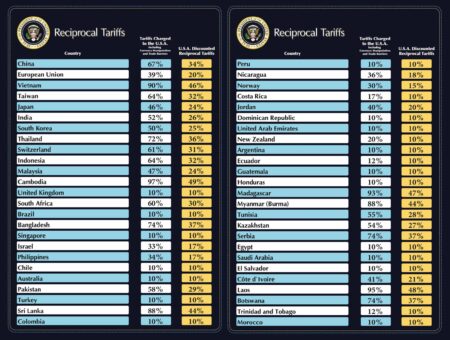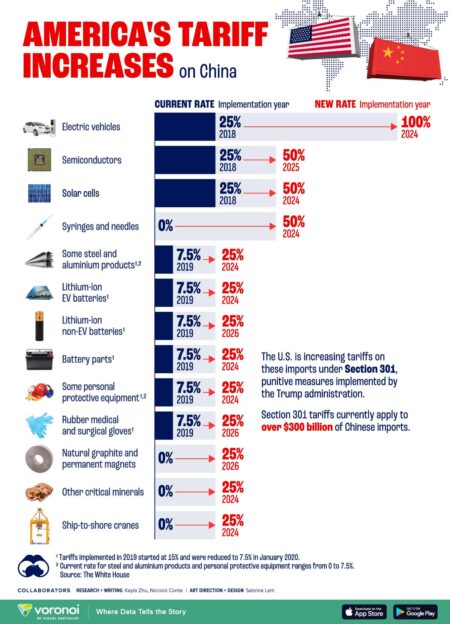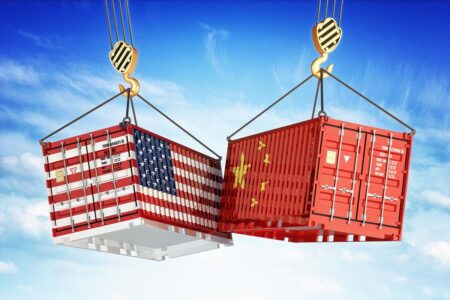
China has imposed a 34% tariff on select U.S. imports in response to escalating trade tensions. Analysts debate whether this move is a strategic escalation or a bid to de-escalate relations. The impact on global markets and diplomatic ties remains uncertain.

Browsing: China
Amid escalating tensions in the US-China trade war, negotiations over a potential deal for TikTok have stalled, leaving the future of the popular social media app uncertain. Insiders suggest geopolitical factors could heavily influence the outcome.
China, Japan, and South Korea plan a coordinated response to the recent U.S. tariffs, according to Chinese state media. This alliance underscores a growing economic resistance to American trade policies, highlighting regional solidarity amidst escalating tensions.
In response to plummeting stock markets and escalating trade tensions, former President Donald Trump asserted that his tariff policies “WILL NEVER CHANGE.” This statement comes amid increased scrutiny from China, which is adjusting its strategies in light of U.S. tariffs.
The UK’s FTSE 100 experienced its largest daily decline since the onset of the pandemic, driven by renewed concerns over Trump’s tariffs. Market analysts warn that the tariffs could disrupt global trade and economic recovery efforts.
In the wake of President Trump’s new tariffs, trade dynamics with China and Canada face significant shifts. Analysts predict potential retaliatory measures, which could disrupt supply chains and escalate tensions, impacting economies across multiple sectors.
In response to Trump’s tariffs, several affected countries are pursuing negotiations to mitigate trade impacts. Meanwhile, China emphasizes that trade wars yield no winners, urging for dialogue to resolve tensions and restore economic stability.
In a sweeping move, former President Trump’s new trade order imposes tariffs of at least 54 percent on Chinese imports. This escalation in trade tensions could significantly impact U.S.-China relations and global markets. Stakeholders are bracing for potential economic repercussions.
China is poised to increase its imports from India amid looming U.S. tariffs on Chinese goods. This strategic shift could bolster India’s economy and strengthen bilateral trade relations, offering a potential buffer against U.S. trade pressures.
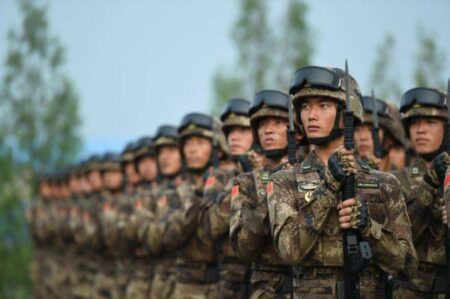
China’s military has initiated live-fire exercises near Taiwan, marking a significant escalation in its ongoing blockade drills. This move raises tensions in the region, prompting concerns over the potential for increased confrontations in the Taiwan Strait.
China is set to launch innovative grid-connected car projects aimed at stabilizing its power supply. This initiative will integrate electric vehicles with the national grid, enabling bidirectional energy flow and supporting renewable energy management.
China’s Luxshare Precision Industry is reportedly considering a potential listing on the Hong Kong Stock Exchange this year, according to sources. This move could enhance its funding capabilities amid the growing demand for electronic components globally.
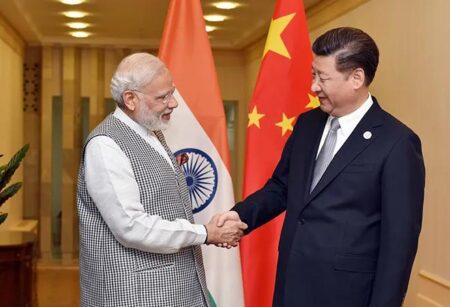
In a recent address, Chinese President Xi Jinping emphasized the importance of strengthening ties between China and India, likening the partnership to a “Dragon-Elephant tango.” He called for greater cooperation in various sectors to enhance regional stability and economic growth.
Australia has heightened surveillance of a sophisticated Chinese research vessel operating near its maritime borders. Officials emphasize their commitment to monitoring the ship’s activities, amid concerns over potential espionage and regional security implications.
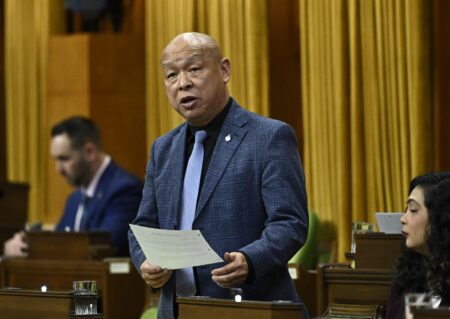
Mark Carney faces scrutiny following comments made by a Liberal MP regarding a controversial bounty in China. Critics are calling for clarity on his stance, raising concerns over foreign policy implications and the government’s approach to international relations.
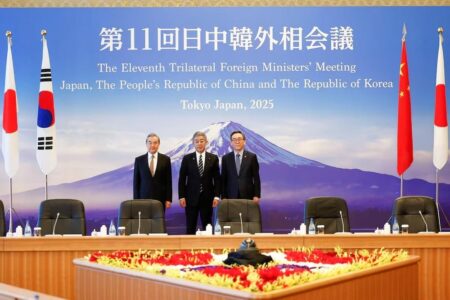
China, Japan, and South Korea are set to enhance free trade cooperation amid regional tensions. Leaders from the three nations aim to reduce tariffs and streamline trade regulations, fostering economic growth and stability in East Asia.
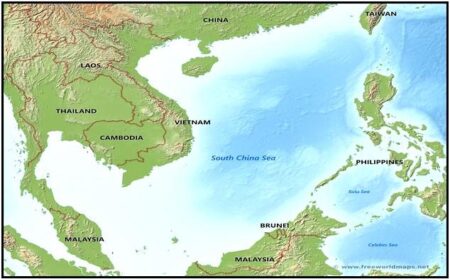
Observers are raising concerns over escalating tensions in the South China Sea and Taiwan, as US allies strengthen their ties amid regional uncertainties. Increased military maneuvers and strategic partnerships could heighten risks of confrontation in the area.
After years of navigating sanctions and market challenges, Huawei has reported a rebound in revenue, returning to its peak performance. The company’s strategic shifts and innovation initiatives have bolstered its standing in the competitive telecom landscape.
In a strategic move, China, South Korea, and Japan have agreed to enhance their trade relations amid ongoing U.S. tariffs imposed during the Trump administration. This collaboration aims to bolster economic stability and counteract the impacts of protectionist policies.
China, Japan, and South Korea are expressing a strong desire to enhance trilateral cooperation, focusing on economic ties and regional stability. Leaders from the three nations emphasize collaboration in areas such as trade, investment, and cultural exchange to strengthen their diplomatic relations.