China has announced the implementation of additional tariffs ranging from 10% to 15% on a variety of U.S. farm products, a move expected to escalate trade tensions between the two nations. The tariffs target key agricultural exports, impacting both economies.

Browsing: China
The Associated Press reports that Trump’s tariffs on Mexico, Canada, and China target a range of goods, including agricultural products, electronics, and vehicles. This trade policy aims to bolster domestic industries but risks escalating tensions and consumer prices.
China aims for a GDP growth target of "around 5%" in 2025, signaling a strategic pivot amid rising trade concerns. The government has outlined a suite of stimulus measures to bolster economic stability and enhance domestic demand.
Trump’s China tariffs have sparked retaliatory measures impacting U.S. farm products. Chinese tariffs on American agricultural goods threaten to undermine the struggling farming sector, intensifying trade tensions between the two nations.
In a significant move, President Trump has announced a 10% increase in tariffs on Chinese imports, escalating trade tensions between the two countries. This strategy aims to protect U.S. industries but may further complicate global supply chains and consumer prices.
In a significant shift in trade policy, President Trump's tariffs on imports from Canada, Mexico, and China have taken effect, aiming to protect American industries. Critics argue these measures could disrupt supply chains and raise consumer prices.
A recent report by POLITICO Europe highlights concerns that China could leverage its dominance in wind turbine production to exert economic pressure on Germany. This potential "blackmail" could threaten Germany's energy transition and industrial competitiveness.
In a regular press conference on February 27, 2025, Foreign Ministry Spokesperson Lin Jian addressed key diplomatic issues, emphasizing China's commitment to multilateralism and constructive engagement in global affairs. The conference highlighted ongoing international collaborations and regional stability efforts.
Recent analyses from Liberty Street Economics reveal that the decline in U.S. imports from China may not be as significant as official data suggests. The discrepancy highlights the complexities of trade metrics and their impact on economic assessments.
In a recent statement, Bessent urged Canada to adopt a stance similar to Mexico's regarding tariffs on Chinese imports. He emphasized the need for a unified approach to address competitive imbalances and protect national interests in trade.
BYD's sales surged by an impressive 164%, showcasing its rapid growth in the electric vehicle market, while XPeng reported even stronger performance. This surge underscores the intensifying competition among EV manufacturers as consumer demand escalates.
In a bid to strengthen trade negotiations, U.S. Trade Representative Katherine Bessent urged Canada and Mexico to adopt tariffs similar to those imposed on China. This move aims to create a unified front against unfair trade practices and boost North American economic stability.
Recent analyses indicate that various China-backed cyber groups, beyond the notorious Salt Typhoon, are displaying increasingly sophisticated offensive capabilities. These specialized skills underscore a growing strategic focus in cyber warfare, raising concerns for global cybersecurity.
China's media has amplified Russia's response to the recent clash between Donald Trump and Volodymyr Zelensky at the White House, framing it as a significant geopolitical event. This coverage underscores China's focus on shifting alliances amid global tensions.
As China experiences a slowdown reminiscent of Japan's post-bubble era, analysts question whether its economy will mirror Japan's trajectory. Key factors include demographic challenges, debt levels, and potential policy responses that could shape the future.
A North Carolina company owner has pled guilty to charges related to the attempted sale of technology to China. The case highlights growing concerns over national security and the safeguarding of sensitive American technology from foreign entities.
In a recent analysis, "The Strategist" highlights how Australia's heightened military response to the presence of Chinese warships in the region inadvertently strengthens Beijing's position. Such overreactions may embolden China's assertiveness in the Indo-Pacific.
As the deadline approaches for new tariffs on China, the U.S. Treasury chief is urging Canada and Mexico to align their trade policies with those of the United States. This call for harmonization aims to strengthen North American trade amidst escalating tensions.
President Trump announced plans to double tariffs on Chinese imports, escalating trade tensions ahead of upcoming negotiations. He also confirmed that punitive tariffs on Mexico and Canada will be implemented starting March 4, signaling a tough stance on trade policies.
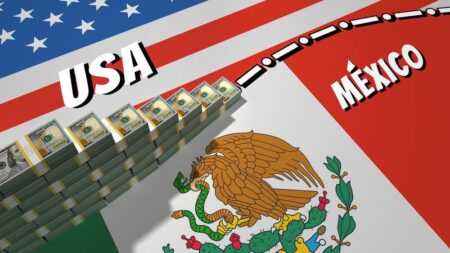
Mexico is considering the implementation of new tariffs on Chinese goods as a strategic move to mitigate potential threats from former President Trump. This response highlights Mexico's shifting trade dynamics and the ongoing tensions between global economic powers.