In a surprising turn of events, India’s inflation rate plummeted to an impressive 3.34% in March, far surpassing analysts’ predictions. This notable drop could potentially reshape economic policies as decision-makers evaluate its effects on consumer spending and overall growth.
Browsing: economic policy
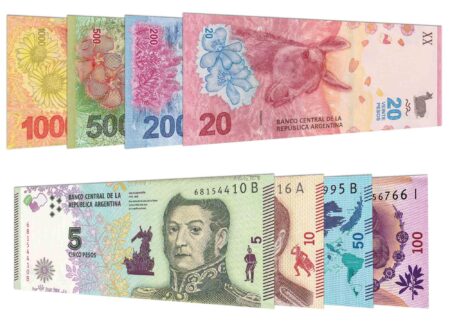
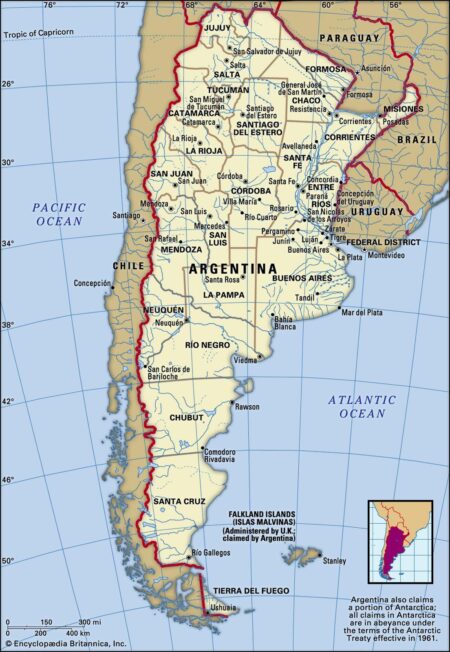
The World Bank is gearing up to unveil a remarkable $12 billion financing package for Argentina, designed to give a much-needed boost to the nation’s faltering economy. This substantial investment arrives at a critical time, as the country grapples with persistent challenges like soaring inflation and currency fluctuations, according to reports from Reuters.
In a recent statement, a Chinese official condemned U.S. tariffs on Hong Kong, asserting they are intended to undermine the region’s economic vitality. The official emphasized that these measures threaten Hong Kong’s autonomy and prosperity amid ongoing tensions between the two powers.
Italy’s Prime Minister Giorgia Meloni visited the White House to address growing trade tensions between the U.S. and Europe. The talks aimed at fostering stronger economic ties and resolving disputes, signaling Italy’s role in promoting transatlantic collaboration.
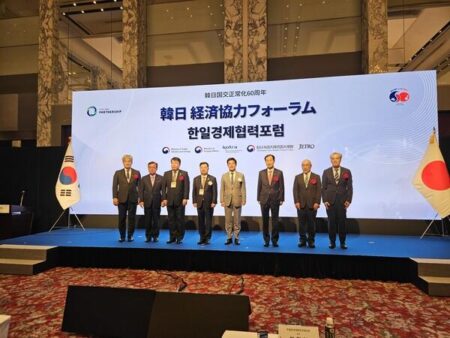
The S. Korea–Japan Economic Cooperation Forum convened in Tokyo amid escalating tariff pressures from the Trump administration. Leaders from both nations sought to strengthen ties and address economic challenges, emphasizing collaboration to navigate a turbulent trade landscape.
Brazil aims to enhance its international presence by engaging in talks with the United States, while simultaneously pursuing expanded trade deals with other nations, a government official stated. This strategy underscores Brazil’s intent to boost economic growth.
Tesla, GM, and Rivian may face significant challenges following China’s export ban on critical minerals essential for electric vehicle production. With supply chains disrupted, these automakers could struggle to maintain production levels and meet growing demand.
As tensions escalate in the trade war, China is strategically recalibrating its economic policies in response to increased pressure from the Trump administration. Beijing is focusing on strengthening domestic markets while seeking new trade partnerships to mitigate potential impacts.
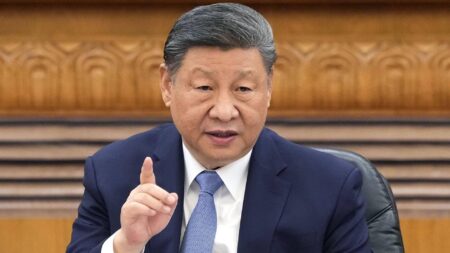
Chinese President Xi Jinping embarks on an aggressive diplomatic tour across Asia, seeking to bolster trade relations amid an ongoing tariff war with the United States. His efforts aim to strengthen alliances and mitigate economic impacts from the escalating conflict.
Spain’s Prime Minister Pedro Sánchez is seeking to strengthen trade relations with China as uncertainties surrounding U.S. tariffs continue. This move aims to diversify Spain’s economic partnerships and enhance its position in the global market.
Argentina’s recent overhaul of its foreign exchange regime has sparked widespread speculation about the future of the peso. As the government aims to stabilize the currency amid soaring inflation, analysts are closely watching how these changes influence economic recovery.
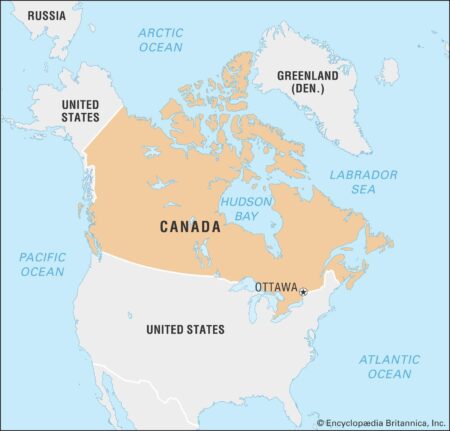
In a significant shift, Canada has adopted a more assertive stance in its dealings with the Trump administration, moving away from a traditionally conciliatory approach. The phrase “Elbows up!” encapsulates this newfound readiness to confront challenges head-on.
The UK government is set to take emergency control of British Steel amid escalating financial challenges, potentially paving the way for nationalisation. This move aims to safeguard jobs and stabilize the struggling steel industry, sources indicate.
In a strategic move, Bessent has unveiled a ‘Grand Encirclement’ plan aimed at countering China’s influence. This ambitious initiative seeks to strengthen alliances and enhance regional stability, reflecting growing concerns over geopolitical tensions.
In “Opinion | Argentina Needs the Dollar More Than Ever,” the Wall Street Journal explores the nation’s escalating economic crisis, highlighting the urgent need for dollarization. As inflation spirals, many Argentines seek stability through the U.S. currency.
In a significant economic shift, President Javier Milei has announced the end of Argentina’s strict currency controls, known as the “cepo,” following the IMF board’s approval of a US$20-billion bailout. This move aims to restore market confidence amid ongoing financial turmoil.
Central bank deputies from China, Japan, and South Korea convened to discuss the implications of U.S. tariffs on their economies. The meeting, reported by Reuters, highlights growing concerns over trade tensions and their potential impact on regional stability.
In a significant move, Republican rebels in Congress have voted to challenge President Trump’s controversial tariffs on Canadian goods. This bipartisan effort aims to curtail economic tensions and foster better trade relations with Canada.
Brazil is shifting its focus toward negotiation in response to recent U.S. trade tariffs, officials announced. The move aims to address trade tensions and foster stronger economic ties between the two nations, emphasizing dialogue over confrontation.
In a recent CNN feature, Fareed Zakaria delves into the steadfast Chinese mentality during the ongoing trade war, emphasizing a cultural ethos that prioritizes resilience and perseverance. He argues that this mindset shapes China’s approach to negotiations and conflict resolution.