
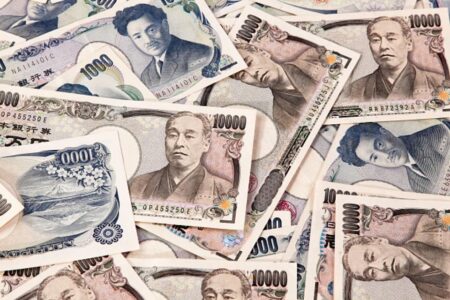
Japan’s government is contemplating cash handouts to help citizens cope with escalating living costs and the impact of U.S. tariffs. The proposed measures aim to alleviate financial pressure on households amid growing economic uncertainties.
Japan’s government is contemplating cash handouts to help citizens cope with escalating living costs and the impact of U.S. tariffs. The proposed measures aim to alleviate financial pressure on households amid growing economic uncertainties.
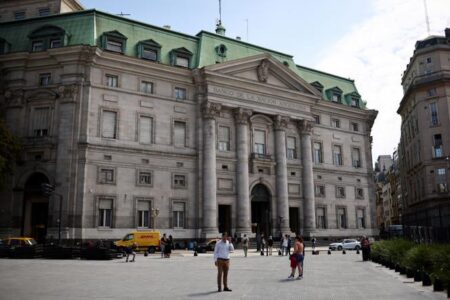
Argentina’s President Javier Milei achieved a significant milestone by securing a deal with the IMF, marking a pivotal step towards economic stabilization. The agreement allows for the removal of most capital controls, signaling a shift towards fiscal reform and investor confidence.
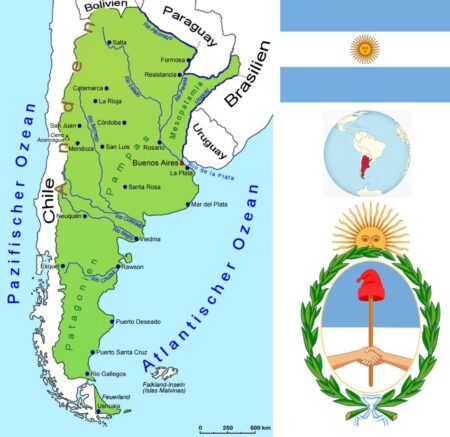
In a significant move for his administration, President Javier Milei announced Argentina’s new deal with the IMF, marking a pivotal step towards economic stabilization. The agreement coincides with the removal of most capital controls, signaling a shift towards greater financial freedom.
The International Monetary Fund (IMF) has confirmed a preliminary agreement with Argentina for a $20 billion loan aimed at stabilizing the country’s economy. This funding is expected to bolster Argentina’s financial situation amid ongoing challenges.

In response to escalating trade tensions, China’s leading retail giants have committed to supporting local exporters in shifting their focus to domestic markets. This initiative aims to bolster the economy and mitigate the impact of ongoing trade disputes.
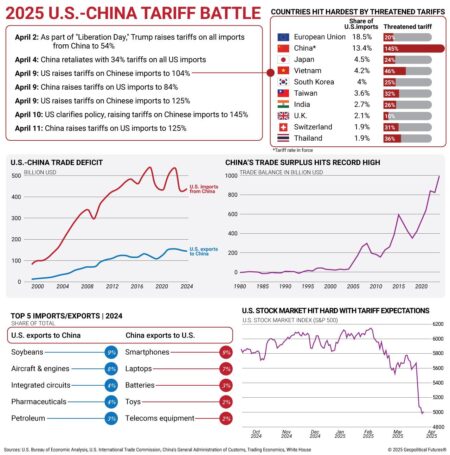
As the US-China tariff battle escalates, analysts are increasingly scrutinizing former President Trump’s endgame. With tariffs impacting trade dynamics and consumer prices, the long-term implications for both economies remain uncertain as negotiations continue to stall.

Japan has urged the United States to eliminate reciprocal tariffs, labeling them as regrettable. This request comes amid ongoing trade discussions aimed at strengthening bilateral economic ties and addressing trade imbalances.
In a bid to mitigate escalating tensions in the ongoing trade war, the White House is reportedly urging Chinese President Xi Jinping to reach out to former President Donald Trump. The call aims to explore potential solutions as tariffs and trade barriers intensify.
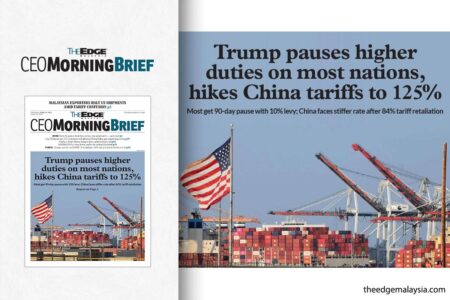
China has retaliated against President Trump’s latest tariff hike by imposing duties of up to 125% on a range of U.S. goods. This escalation in trade tensions signals a deepening rift between the two economic giants, impacting global markets.
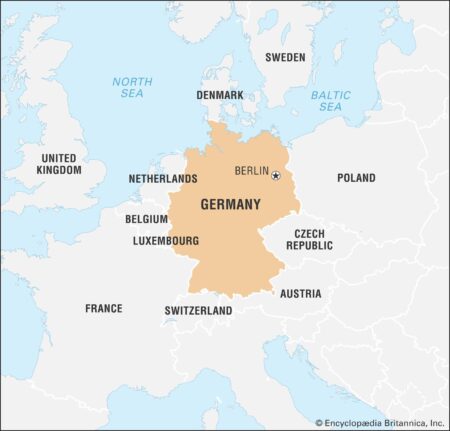
Germany’s opposition leader, Friedrich Merz, has unveiled a coalition deal aimed at stimulating economic growth and addressing migration challenges. The agreement seeks to unite various factions in a bid to bolster Germany’s stability and prosperity.
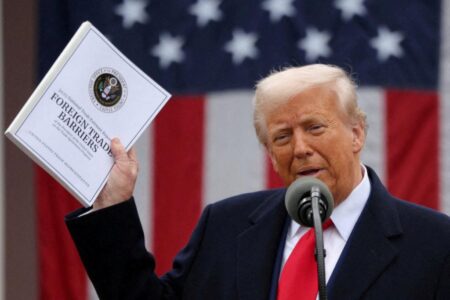
In a significant escalation of trade tensions, China has announced retaliatory tariffs on U.S. goods, raising duties to 125%. This move comes amid a declining dollar, signaling increased economic friction between the two nations. Continue following for live updates.

Argentina’s lower house has approved a probe into the controversial Milei-$LIBRA crypto scandal. Lawmakers aim to investigate allegations surrounding the cryptocurrency’s connections to presidential candidate Javier Milei, stirring political tension.
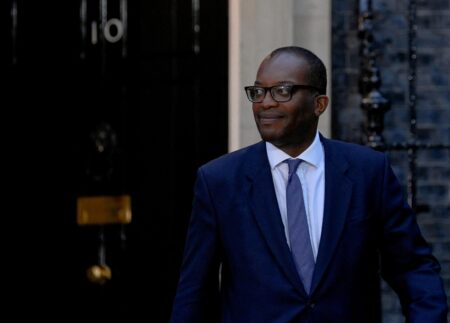
UK Finance Minister Jeremy Hunt is set to advocate for enhanced defense spending cooperation at an upcoming EU meeting, emphasizing the need for collective security amid global uncertainties. His remarks aim to foster unity in defense initiatives across Europe.

Mexico and Brazil have announced plans to enhance trade relations amid ongoing tariff disputes initiated during the Trump administration. Both nations aim to bolster economic cooperation, fostering growth and stability in the region.
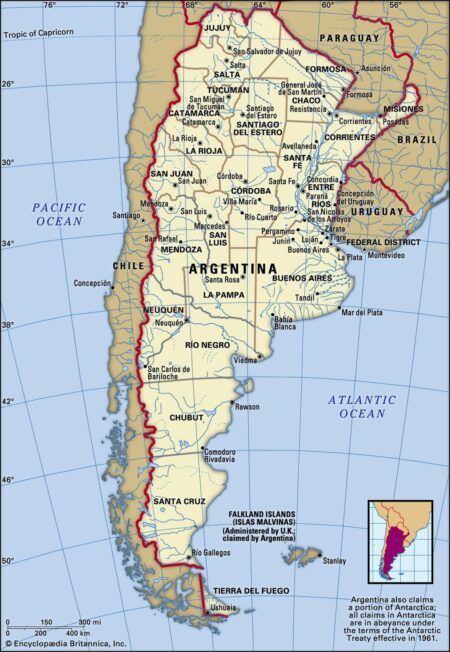
Argentina has secured a $20 billion deal with the International Monetary Fund (IMF) to support President Javier Milei’s ambitious economic reforms. The agreement aims to stabilize the nation’s economy amid ongoing inflation and fiscal challenges.
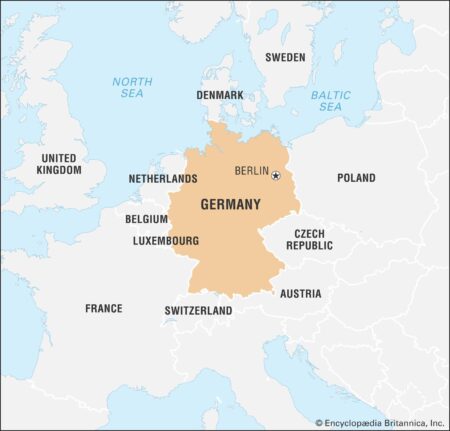
Germany has officially formed a new government, unveiling plans to reduce corporate taxes as part of its economic strategy. The move aims to boost investment and competitiveness amid global economic challenges, signaling a shift in fiscal policy.

Javier Milei, Argentina’s newly elected president, is facing criticism for his efforts to reshape the nation’s historical narrative in a bid to attract foreign investment. Analysts warn that such moves could undermine Argentina’s cultural identity and heritage.

India has reportedly denied BYD’s entry into its electric vehicle market, as a government minister expressed a clear preference for Tesla. The decision underscores rising trade concerns while highlighting India’s push for foreign investment in the EV sector.
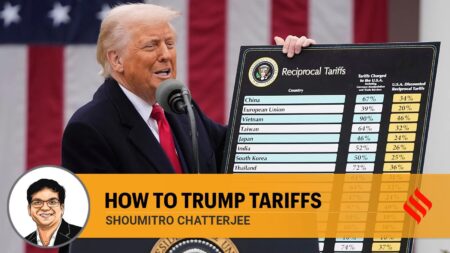
German chancellor-designate Friedrich Merz emphasized the advantages of EU unity in response to shifting Trump tariffs. He highlighted that a coordinated stance among member states can better protect their economies against external pressures.
In response to the U.S. imposing tariffs on Canadian auto imports, Canada has announced reciprocal measures aimed at protecting its automotive industry. The move escalates trade tensions, as both nations confront the growing impact on their economies.