
The Trump-era tariffs have disrupted Germany’s economic strategy towards China, particularly under the leadership of Friedrich Merz. As trade tensions escalate, Germany faces challenging decisions to adapt its export policies and maintain competitiveness.
Browsing: economic policy

In response to President Trump’s tariffs, Canada has enacted a 25% levy on US auto exports, escalating trade tensions between the two countries. This move aims to protect Canadian manufacturers and counterbalance the economic impact of US tariffs.
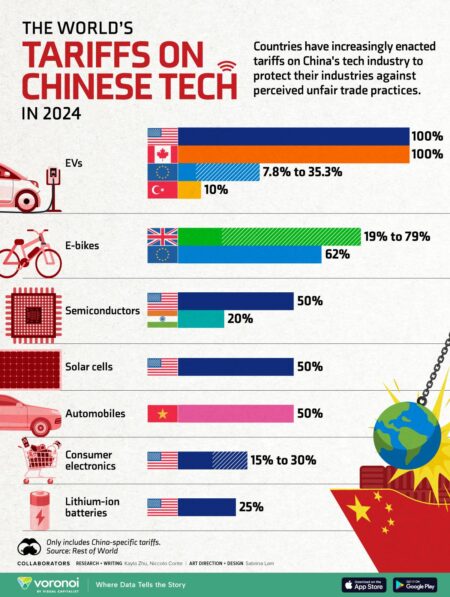
China, Japan, and South Korea plan a coordinated response to the recent U.S. tariffs, according to Chinese state media. This alliance underscores a growing economic resistance to American trade policies, highlighting regional solidarity amidst escalating tensions.

Brazil is poised to reshape its competition landscape with the 2024 proposal from the Ministry of Finance, aimed at establishing digital ex ante regulation. This initiative seeks to enhance market fairness and foster innovation in the rapidly evolving digital economy.
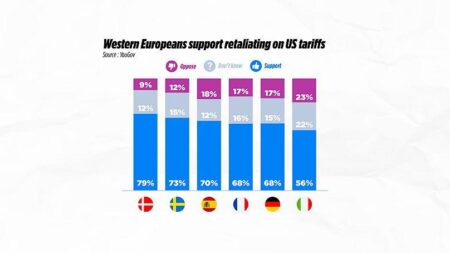
Germany’s Chancellor Olaf Scholz has announced the EU’s readiness to respond to potential U.S. trade tariffs, emphasizing the bloc’s commitment to uphold fair trade practices. The statement signals a unified approach to address transatlantic trade tensions.
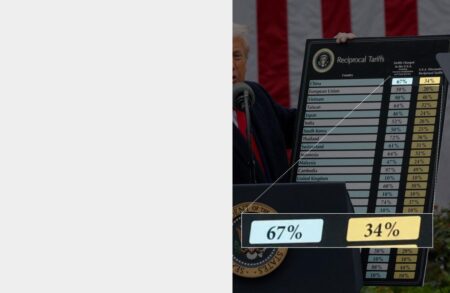
The United States Trade Representative’s reciprocal tariff calculations play a crucial role in shaping international trade relations. By assessing tariffs imposed by trading partners, the U.S. aims to foster fair competition and protect domestic industries.

France has identified digital services as a key target in the EU’s tariff response to U.S. trade policies. This move reflects rising tensions over tax structures and digital market regulations, signaling a strategic shift in Europe’s trade negotiations.
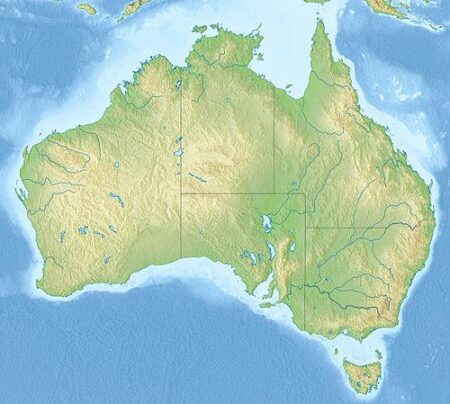
Australia and global markets reacted swiftly to Donald Trump’s US tariff plan, with concerns over potential trade wars igniting tensions. Experts warn that these tariffs could disrupt supply chains and impact economic growth worldwide, prompting calls for diplomatic negotiations.
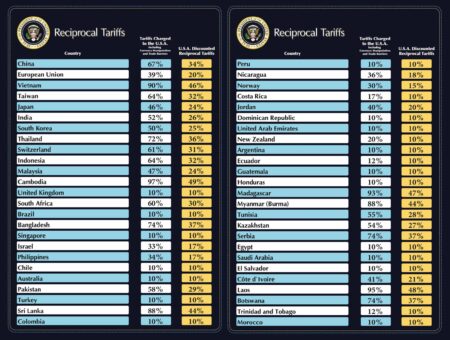
In response to Trump’s tariffs, several affected countries are pursuing negotiations to mitigate trade impacts. Meanwhile, China emphasizes that trade wars yield no winners, urging for dialogue to resolve tensions and restore economic stability.

China is poised to increase its imports from India amid looming U.S. tariffs on Chinese goods. This strategic shift could bolster India’s economy and strengthen bilateral trade relations, offering a potential buffer against U.S. trade pressures.

Argentina has formally requested the first tranche of over 40% of its $20 billion loan program from the International Monetary Fund (IMF). This financial assistance aims to stabilize the country’s economy amid ongoing fiscal challenges and inflation concerns.
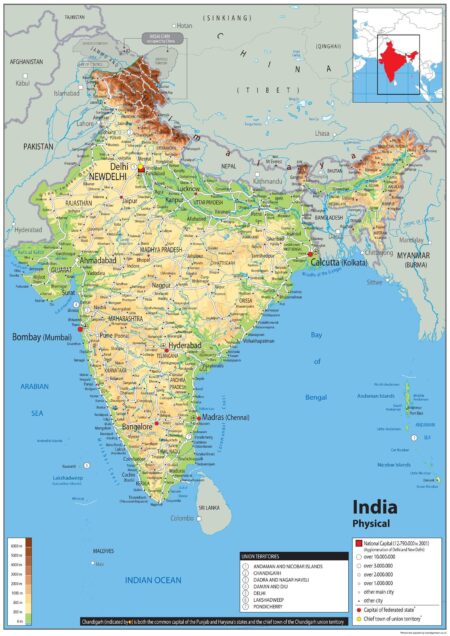
Amid global uncertainties over Trump’s trade threats, India could strategically implement reciprocal tariffs. This move could enhance domestic industries, protect local jobs, and encourage global trade negotiations, positioning India as a resilient economic player.
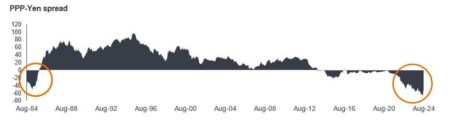
In a recent statement, a Japanese lawmaker highlighted concerns over the yen’s undervaluation, indicating potential measures to counter capital outflows. This move underscores the government’s intent to stabilize the currency and foster economic resilience amid global market fluctuations.
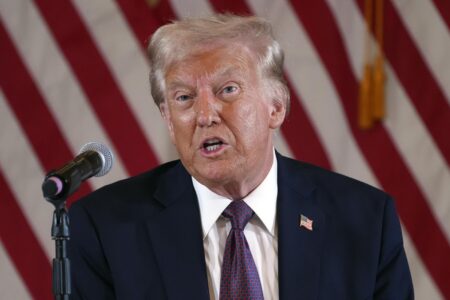
Former President Donald Trump expressed sharp criticism over Brazil’s recent proposal to expand the BRICS economic bloc, labeling it a challenge to U.S. influence. Trump’s remarks highlight rising tensions in global geopolitics as nations explore alternative alliances.
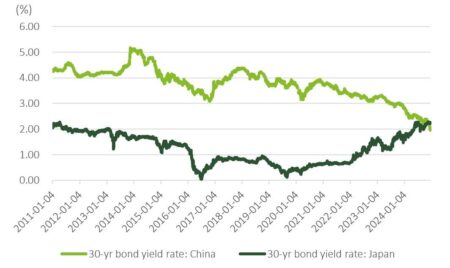
China’s economy tsar has extended an invitation to the EU’s trade chief to collaborate in countering rising tariff threats. This move underscores the growing concern over trade tensions and the importance of strengthening economic ties between the two regions.
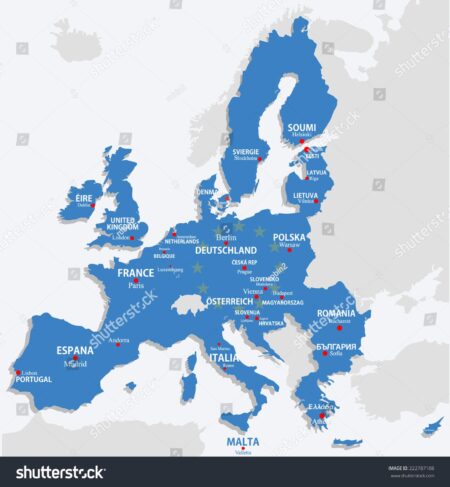
In a recent analysis, Hungarian conservatives lament the economic disparity between a struggling European Union and a thriving United States. They highlight challenges like inflation and energy crises in Europe, contrasting them with America’s robust growth and innovation.

In a bid to strengthen China’s global standing amidst escalating trade tensions with the U.S., President Xi Jinping urged top executives to champion the nation’s role in upholding an international order based on cooperation and mutual respect.
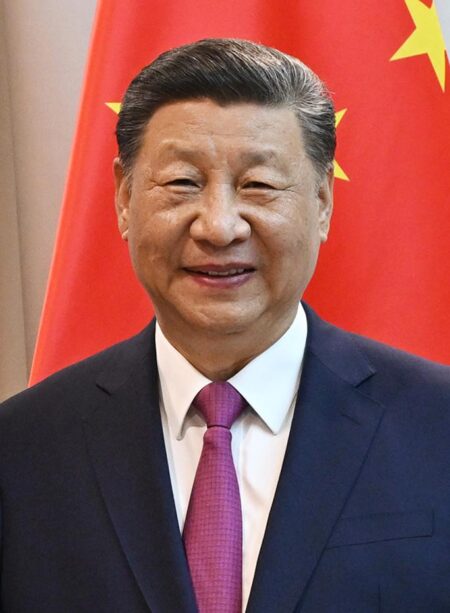
In a strategic move ahead of the anticipated unveiling of fresh tariffs by President Trump, Chinese President Xi Jinping has launched a charm offensive, seeking to strengthen diplomatic ties and showcase China’s global leadership.

Denmark’s Social Democrats have successfully adapted to contemporary challenges by prioritizing pragmatic policies and robust welfare reforms. Their focus on economic responsibility coupled with social equity offers valuable lessons for Germany’s SPD in revitalizing its platform and appeal.

In a recent statement, Deutsche Bank Chairman revealed that Germany received approximately $1 trillion in financial support without cost. This significant figure highlights the country’s economic strategies and the ongoing impact of fiscal policies in Europe.