Germany and France are advocating for a stronger tariff response to protect their industries from global market fluctuations. Their push reflects growing concerns over international trade practices, aiming to bolster domestic economies amid rising competition.
Browsing: European Union
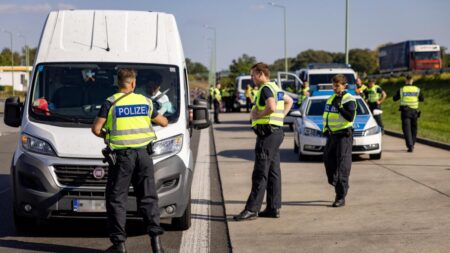
Germany’s outgoing government has hailed success in addressing irregular immigration, citing a significant drop in undocumented arrivals. Officials attribute this progress to enhanced border controls and cooperation with neighboring countries.
Germany’s Chancellor Olaf Scholz has announced the EU’s readiness to respond to potential U.S. trade tariffs, emphasizing the bloc’s commitment to uphold fair trade practices. The statement signals a unified approach to address transatlantic trade tensions.
France has identified digital services as a key target in the EU’s tariff response to U.S. trade policies. This move reflects rising tensions over tax structures and digital market regulations, signaling a strategic shift in Europe’s trade negotiations.
UK Foreign Secretary James Cleverly has called on Kosovo and Serbia to expedite their normalization talks, emphasizing the importance of dialogue for regional stability. His remarks come amid ongoing tensions and negotiations aimed at fostering cooperation.
Germany has announced a significant allocation of over €8 billion in military aid to Ukraine, reinforcing its support amid ongoing conflict. This funding aims to enhance Ukraine’s defense capabilities and underscores Germany’s commitment to regional stability.
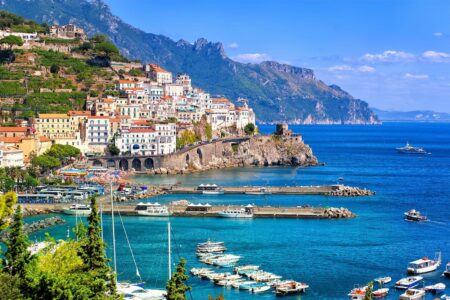
In a significant breakthrough in transnational crime enforcement, authorities in Italy and Germany have dismantled a elegant mafia-style association linked…
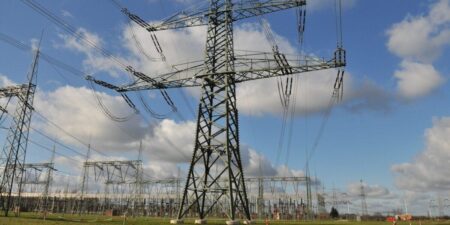
In a firm stance, Germany’s Economy Minister, Robert Klingbeil, dismissed calls to reinstate Russian gas imports, emphasizing the nation’s commitment to energy independence. This decision reflects ongoing geopolitical tensions and Germany’s pivot towards alternative energy sources.
In a landmark ruling, France’s far-right leader Marine Le Pen has been found guilty of embezzlement, marking a significant setback for her political career. The court’s decision centers on the misuse of EU funds, raising questions about transparency in her party.
Finland’s president has emphasized the need for a strong stance against Russia amid escalating threats to European security. Highlighting a growing regional tension, he calls for unity and decisive action to address the challenges posed by Moscow’s aggressive posture.
In a coordinated effort, Germany, Greece, Hungary, and several other EU nations have issued survival alerts to citizens, urging preparedness for potential war, cyberattacks, and extreme weather. The tourism sector braces for disruptions amid rising tensions and climate challenges.
European leaders have unanimously stated that now is not the opportune moment to lift sanctions against Russia. This consensus reflects ongoing concerns over the nation’s actions and signals a commitment to maintaining pressure until compliance is achieved.
The EU and India are on the brink of finalizing a pivotal free trade agreement aimed at boosting economic ties and enhancing trade in goods and services. This partnership could reshape global trade dynamics, fostering growth and innovation in both regions.
In a recent analysis, Hungarian conservatives lament the economic disparity between a struggling European Union and a thriving United States. They highlight challenges like inflation and energy crises in Europe, contrasting them with America’s robust growth and innovation.
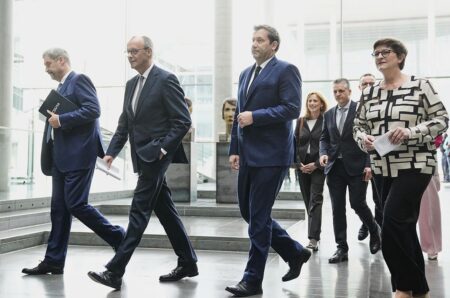
Germany’s new parliament is shaking things up with surprising developments. From an influx of youthful representatives to unprecedented coalition dynamics, discover the five wildest aspects shaping the future of German politics.
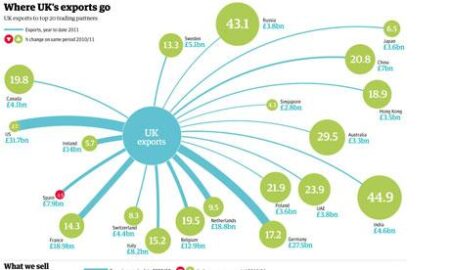
In the face of growing U.S. tariffs under Trump, Germany’s export-driven economy faces uncertainty. As trade tensions escalate, German manufacturers express concern over potential impacts on their competitive advantage in the global market.
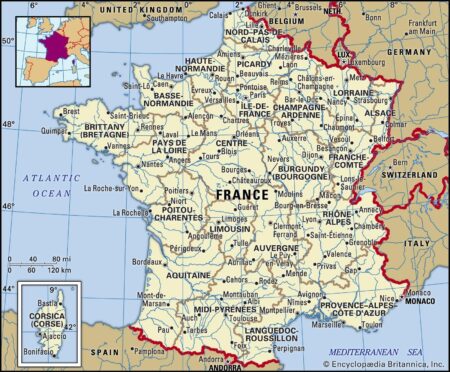
France has put forward proposals to reform the European Union’s carbon market, aiming to enhance stability and drive more effective emissions reductions. The changes seek to address market volatility and ensure a more predictable framework for businesses.
French President Emmanuel Macron has pledged €2 billion in military aid to Ukraine ahead of an upcoming security summit. This significant support underscores France’s commitment to bolstering Ukraine’s defense amid ongoing conflict concerns.
The escalating conflict in Ukraine and the EU’s push for rearmament have intensified divisions within the Italian government. While some factions advocate for increased military support, others fear it could destabilize Italy’s diplomatic posture and economic priorities.
Germany’s recent surge in spending, aimed at bolstering its economy post-pandemic, is raising concerns within the EU. Critics warn that this financial splurge could disrupt budgetary stability across member states, triggering anxiety about fiscal discipline in the bloc.