The Carnegie Endowment warns that leaning on China's central government balance sheet to cover local government debt could spark financial instability, undermine market discipline, and put immense pressure on the national budget
The Carnegie Endowment warns that leaning on China's central government balance sheet to cover local government debt could spark financial instability, undermine market discipline, and put immense pressure on the national budget
Germany is staring down a massive €170bn budget gap, even after heavy borrowing, raising serious concerns about its fiscal health. This shortfall highlights the growing hurdles for Europe's largest economy as it struggles with soaring costs and sluggish growth
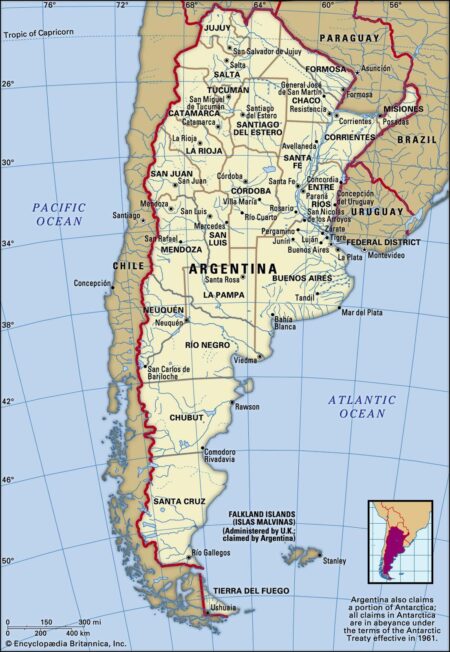
Argentina is making daring moves to replenish its dangerously low cash reserves amid mounting economic challenges. The government's bold shock therapy aims to steady the economy and spark renewed investor confidence, Bloomberg reports
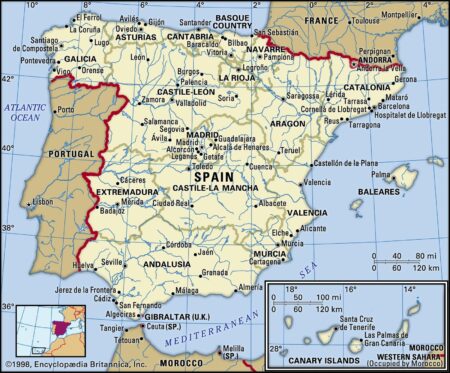
Spain remains cautious about increasing security spending despite escalating threats, opting to prioritize economic recovery and social programs for now. Yet, experts warn that this cautious approach may leave the nation exposed to serious defense risks
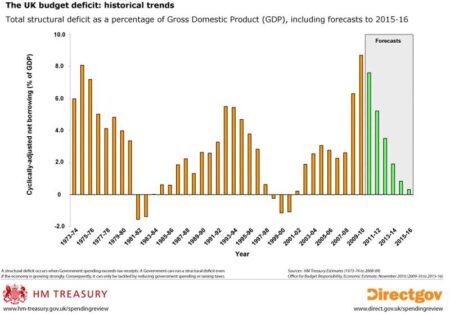
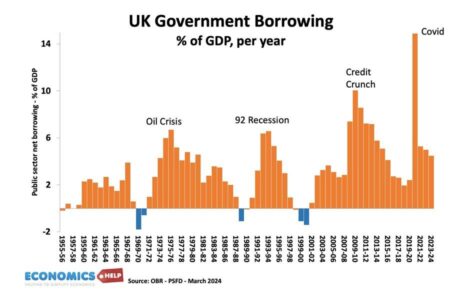
The UK's borrowing has skyrocketed as soaring inflation drives up the cost of debt servicing, deepening Chancellor Jeremy Reeves' fiscal challenges. Experts warn that this alarming trend could place heavy strain on public finances and limit future policy options
UK borrowing has surged dramatically as soaring inflation drives debt servicing costs to unprecedented levels, Reuters reports. With interest rates climbing steadily, the government is under increasing fiscal strain, raising serious concerns about the country's long-term economic future
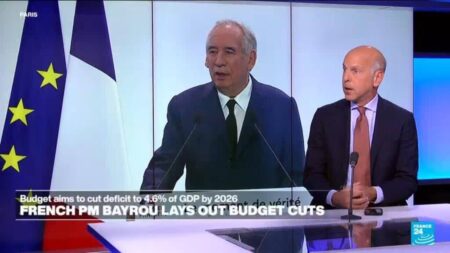
Facing a mounting budget crisis, French PM François Bayrou has boldly proposed scrapping two national holidays to slash public spending. This daring move aims to boost productivity but has sparked a heated debate across France
Italy has revealed an ambitious plan to exit the EU deficit procedure by 2026-earlier than expected-showcasing impressive progress in slashing its budget deficit and strengthening fiscal stability, Reuters reports
The OECD Economic Survey: Argentina 2025 highlights the nation's most urgent challenges and promising opportunities on its path to sustainable growth. It urges bold reforms in fiscal policy, inflation control, and investment approaches to boost resilience and foster greater inclusion
The tax and spending bill proposed by former President Trump is set to take effect in early 2025, pending Congressional approval. This bold legislation aims to reshape fiscal policy dramatically, just in time for the crucial midterm elections
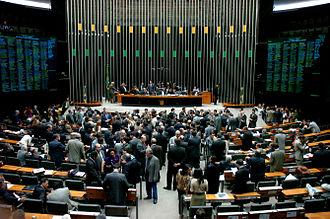
Brazil's government is fiercely resisting Congress' attempt to reverse a recent tax hike, intensifying political tensions. This showdown highlights the growing battle over fiscal policy as leaders work tirelessly to stabilize the economy, Reuters reports
Spain and Brazil have joined forces to urge the UN to implement global taxes on the super-rich, aiming to tackle skyrocketing inequality and unlock vital funding for sustainable development projects worldwide, officials announced at a recent UN summit
Germany is dramatically ramping up its borrowing to unprecedented heights, powering bold economic recovery plans and pioneering green initiatives. This daring surge in debt marks a significant shift in the nation's fiscal strategy, sparking vibrant debate across Europe
Argentina made a daring move toward financial stability by unveiling a high-stakes $1 billion debt auction, determined to restore investor confidence amid persistent economic challenges, Reuters reports
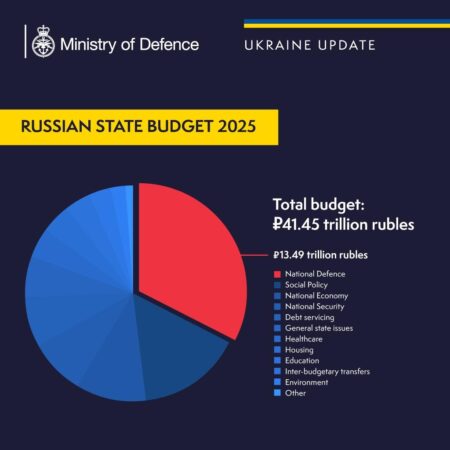
Russia is preparing to revamp its 2025 budget amid a sharp decline in energy revenues, signaling the possibility of a wider deficit on the horizon. As reported by The Moscow Times, the government plans to adjust its spending strategy in response to oil and gas earnings falling short of expectations
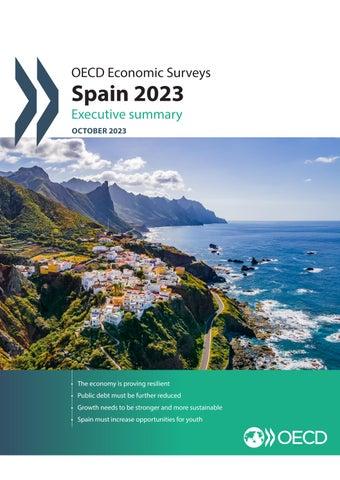
The IMF's 2025 Article IV Consultation for Spain highlights robust economic growth and improved fiscal stability, while emphasizing the need for continued reforms to boost productivity and address labor market challenges decisively
The International Monetary Fund is urging Germany to take bold action by rolling out reforms that will turbocharge productivity and ignite fresh investment. By championing innovation and creating a more flexible labor market, Germany can unleash sustained economic growth and cement its status as Europe's economic powerhouse
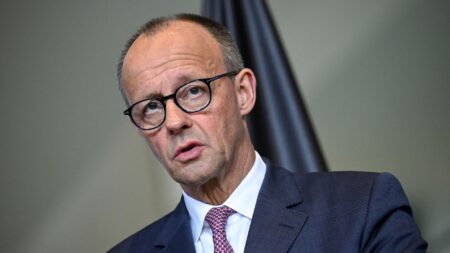
Friedrich Merz unveils a bold €46bn corporate tax cut plan aimed at turbocharging Germany's economy. This ambitious strategy is set to spark fresh investment and fast-track growth amid a sluggish recovery, igniting vibrant debates on fiscal responsibility and the country's competitive future
Japan has launched an ambitious economic policy roadmap aimed at boosting domestic ownership of Japanese Government Bonds (JGBs). This bold move seeks to enhance financial stability and reduce reliance on foreign investors, Reuters reports
In a bold move, six provinces in Argentina are uniting to demand more than US$9 billion from the national government. They argue that financial commitments have been overlooked and stress the urgent need for enhanced funding. This escalating dispute underscores the growing tensions between regional authorities and the federal administration.