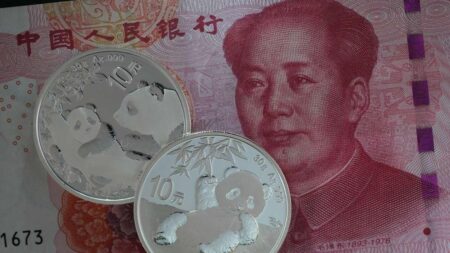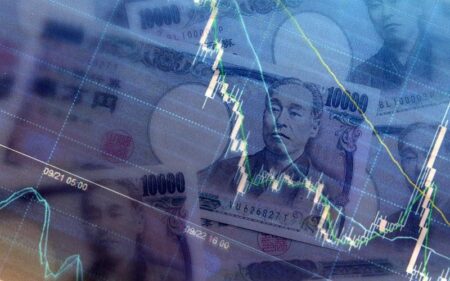
In a pivotal meeting, finance leaders from Japan and the United States gathered to tackle the pressing issue of fluctuating currency rates. These discussions are not just about numbers; they aim to enhance economic stability and strengthen bilateral relations in the face of growing global financial uncertainties.

Browsing: fiscal policy
In a bold move, a recent proposal in France aims to scrap the 10% tax allowance for retirees, a change that could significantly affect the financial well-being of countless seniors. Supporters of the measure argue that it promotes fairness within the tax system, but critics warn it could add further strain on retirees who are already grappling with escalating living expenses.
The International Monetary Fund has adjusted its growth forecast for the UK, reflecting the persistent influence of Trump's tariffs on the global economy. This revised outlook raises alarms about escalating trade tensions and their far-reaching consequences for economic stability.
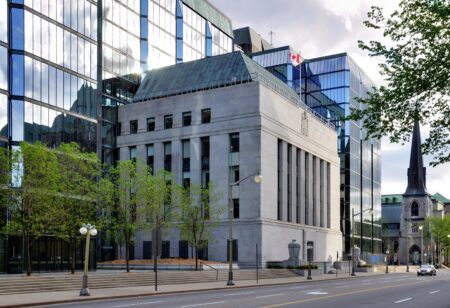
The Bank of Canada has chosen to keep its interest rates steady as it carefully evaluates the effects of recent tariffs on the economy. This decision highlights the central bank’s commitment to striking a balance while addressing new economic hurdles.
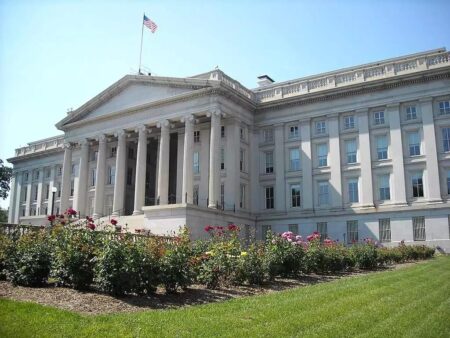
US Treasury's Bessent has voiced strong support for Argentina's ambitious economic reforms, highlighting their crucial role in stabilizing the nation as worries about China's expanding influence in the region mount. This initiative not only reflects a commitment to Argentina's progress but also aligns seamlessly with broader U.S. interests in bolstering economic partnerships across Latin America.
Analysts at Desjardins predict a modest decline in the Bank of Canada's interest rate. This careful strategy highlights the persistent economic hurdles we face, all while striving to uphold stability within our financial system.
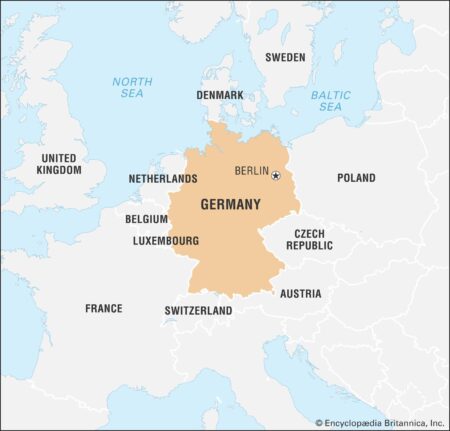
Germany faces a crisis as infrastructure deteriorates and political divisions deepen. The newly formed government aims to address these challenges through ambitious reforms and investment in sustainable projects, seeking to restore stability and unity across the nation.
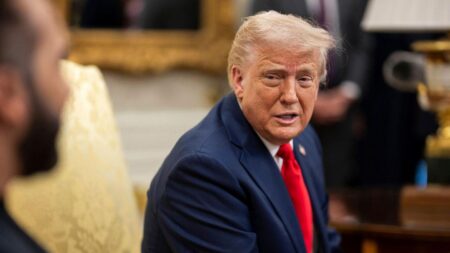
In a bold move to ease rising trade tensions, President Trump has called on China to unveil a fresh tariff proposal. This initiative emerges as both countries navigate a web of disputes that are shaking up global markets. Experts believe that any progress in this direction could hint at a potential warming of relations.
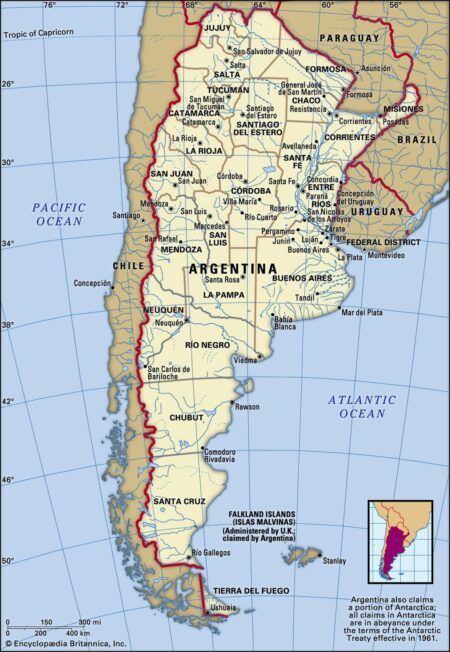
Argentina's recent IMF deal marks a critical financial maneuver aimed at stabilizing its economy. Negotiations involved stringent fiscal reforms and commitments to reduce inflation, showcasing the government's resolve to navigate ongoing economic challenges.
A recent Reuters poll indicates that Canada's growing recession risk could prompt the Bank of Canada to implement at least two additional interest rate cuts this year. Economic concerns are mounting as policymakers seek to stabilize the slowing economy.
Manufacturing has driven Brazil-U.S. trade to unprecedented levels in the first quarter, according to Valor International. The surge highlights strengthened economic ties and growing demand for Brazilian products in the American market, signaling robust bilateral relations.
Germany's Friedrich Merz has warned that proposed tariffs by former President Trump could ignite a financial crisis, jeopardizing global trade stability. He emphasized the need for diplomatic solutions to avoid escalation and protect economic interests.
Germany's latest coalition contract reveals significant cuts to its aid budget, raising concerns among development organizations. As the government seeks to streamline expenditures, advocates warn that reduced funding could undermine global humanitarian efforts.
The International Monetary Fund (IMF) has confirmed a preliminary agreement with Argentina for a $20 billion loan aimed at stabilizing the country’s economy. This funding is expected to bolster Argentina's financial situation amid ongoing challenges.
Thousands of Argentinians took to the streets in a general strike to protest President Javier Milei's 'chainsaw' austerity measures. Demonstrators demanded an end to cuts that they claim threaten social welfare and deepen economic inequality in the nation.
UK Finance Minister Jeremy Hunt is set to advocate for enhanced defense spending cooperation at an upcoming EU meeting, emphasizing the need for collective security amid global uncertainties. His remarks aim to foster unity in defense initiatives across Europe.
Argentina has secured a $20 billion deal with the International Monetary Fund (IMF) to support President Javier Milei's ambitious economic reforms. The agreement aims to stabilize the nation’s economy amid ongoing inflation and fiscal challenges.
Germany has officially formed a new government, unveiling plans to reduce corporate taxes as part of its economic strategy. The move aims to boost investment and competitiveness amid global economic challenges, signaling a shift in fiscal policy.
In a bold move to revitalize Argentina's economy, President Javier Milei has initiated sweeping deregulation, cutting bureaucratic red tape with a "deep chainsaw" approach. Advocates at the Cato Institute praise this strategy as essential for fostering business growth and attracting investment.
The yuan has emerged as a critical strategic barometer for China in the wake of tariff escalations. Analysts suggest that its fluctuations reflect broader economic resilience and shifting trade dynamics, influencing both domestic markets and global perceptions.