India’s foreign exchange reserves have surged to $676.3 billion, according to the central bank governor, reflecting a robust external position. This increase highlights the country’s resilience amid global economic uncertainties, bolstering confidence in the Indian economy.
Browsing: global markets
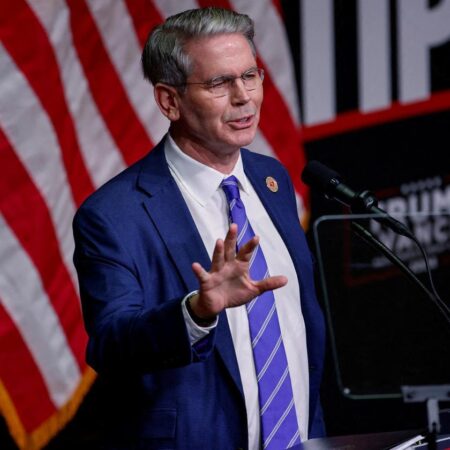
In a strategic move, Bessent has unveiled a ‘Grand Encirclement’ plan aimed at countering China’s influence. This ambitious initiative seeks to strengthen alliances and enhance regional stability, reflecting growing concerns over geopolitical tensions.
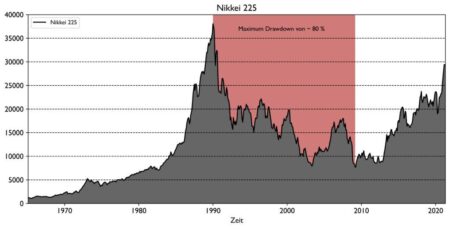
Japan’s Nikkei index fell significantly as escalating trade war concerns and a strengthening yen dampened investor sentiment. Market analysts highlight the negative impact of ongoing U.S.-China tensions on Japanese exports and economic stability.
Value investors are increasingly turning their attention to Japan, Korea, and Brazil, drawn by attractive valuations and growth potential. With economic reforms and favorable market conditions, these countries present promising opportunities for savvy investors.
As tensions escalate in the ongoing trade conflict, experts weigh in on whether China can withstand a prolonged U.S. tariff war. With its vast manufacturing base and strategic economic measures, Beijing may have tools to mitigate the impact.
In response to escalating tariffs imposed by the Trump administration, Apple is shifting its production focus to India. This strategic move aims to mitigate supply chain disruptions and reduce reliance on China, demonstrating the company’s adaptability in a volatile trade landscape.
In a significant escalation of trade tensions, China has announced retaliatory tariffs on U.S. goods, raising duties to 125%. This move comes amid a declining dollar, signaling increased economic friction between the two nations. Continue following for live updates.
Japan’s Nikkei surged 6% as investors rallied on hopes of a market recovery. Positive economic signals and easing global concerns fueled buying interest, propelling the index to a strong close, reflecting renewed confidence in the Japanese economy.
The Biden administration announced that tariffs on Chinese imports have reached a staggering 145%, a significant escalation in trade tensions between the two nations. This move aims to address ongoing concerns over China’s trade practices and economic policies.
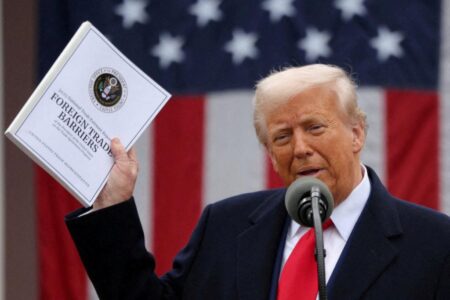
In a surprising move, President Trump announced a temporary pause on escalating tariffs, allowing for a 90-day window for negotiations. However, he simultaneously raised China’s levy to an unprecedented 125%, intensifying ongoing trade tensions.
In a significant development, Bessent has been appointed to spearhead trade negotiations with Japan, as reported by the Wall Street Journal. This move aims to strengthen economic ties and address key trade issues between the two nations.
Japanese stocks are poised for a significant rise following former President Trump’s decision to pause higher tariffs. Investors are optimistic, anticipating a boost in trade relations and economic stability, as markets react positively to this unexpected development.
The Kremlin is experiencing heightened concern as the price of Russian Urals crude oil approaches the critical $50 threshold. This significant drop could hamper state revenues, further exacerbating the economic challenges faced amid ongoing sanctions.
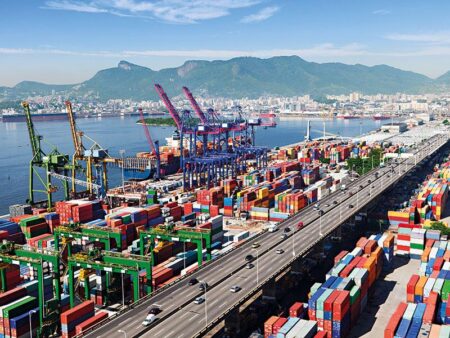
Brazil could emerge as a significant beneficiary of the U.S. tariffs on imports, economists suggest. As American companies seek alternative suppliers, Brazilian exports in agriculture and manufacturing may see a substantial boost.
“Views From The Ground: Why Brazil And Why BRAZ? 2025” on Seeking Alpha explores Brazil’s economic landscape and the potential of the BRAZ ETF. Analysts emphasize Brazil’s growth opportunities amid global market shifts, making it a focal point for investors.
In the latest edition of Project Bulletin, key developments emerge from Ontario, Canada, Newport, South Wales, and Lviv, Ukraine. Each region showcases promising initiatives aimed at enhancing economic growth and attracting investment. Stay tuned for detailed insights.
After years of navigating sanctions and market challenges, Huawei has reported a rebound in revenue, returning to its peak performance. The company’s strategic shifts and innovation initiatives have bolstered its standing in the competitive telecom landscape.
In a rare meeting with global CEOs, Chinese President Xi Jinping urged leaders to defend international trade against rising protectionism. Xi emphasized collaboration, signaling China’s commitment to open markets amid escalating economic tensions worldwide.
In the face of growing U.S. tariffs under Trump, Germany’s export-driven economy faces uncertainty. As trade tensions escalate, German manufacturers express concern over potential impacts on their competitive advantage in the global market.
China’s criticism of the Hutchison deal escalates the stakes for the potential sale of TikTok to US investors. Beijing’s concerns highlight the geopolitical tensions surrounding tech ownership, complicating negotiations and raising questions about future regulations.