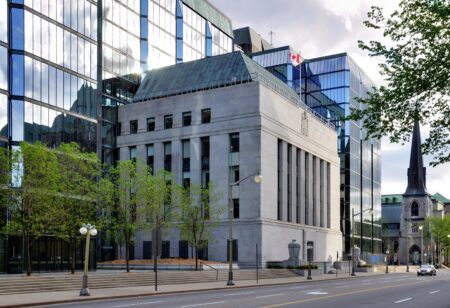
A recent Reuters poll indicates that Canada’s growing recession risk could prompt the Bank of Canada to implement at least two additional interest rate cuts this year. Economic concerns are mounting as policymakers seek to stabilize the slowing economy.
Browsing: inflation
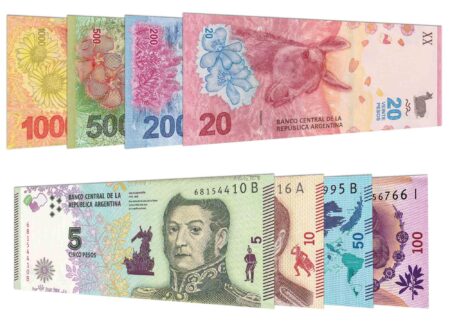
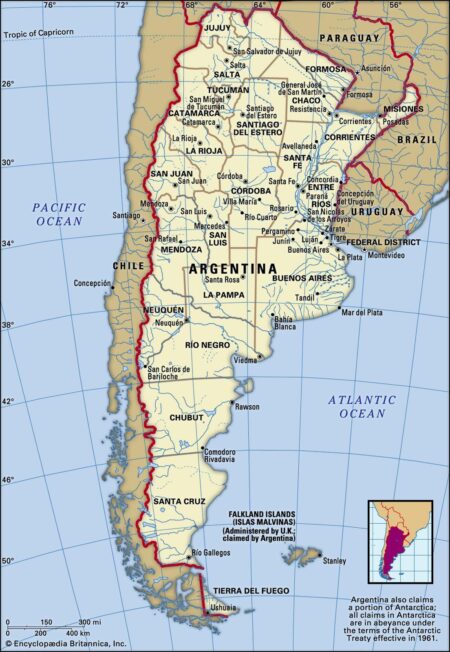
Argentina’s recent overhaul of its foreign exchange regime has sparked widespread speculation about the future of the peso. As the government aims to stabilize the currency amid soaring inflation, analysts are closely watching how these changes influence economic recovery.
In “Opinion | Argentina Needs the Dollar More Than Ever,” the Wall Street Journal explores the nation’s escalating economic crisis, highlighting the urgent need for dollarization. As inflation spirals, many Argentines seek stability through the U.S. currency.
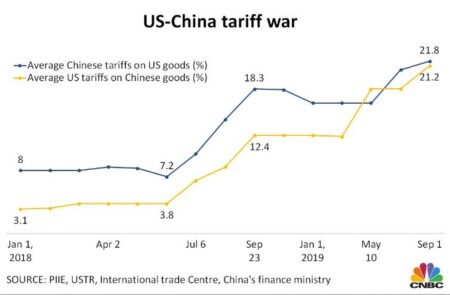
As the U.S.-China tariff war intensifies, Canadian consumers may face rising online shopping prices. Experts warn that increased tariffs on Chinese goods could lead to higher costs for retailers, which might be passed on to Canadian shoppers.
Japan’s government is contemplating cash handouts to help citizens cope with escalating living costs and the impact of U.S. tariffs. The proposed measures aim to alleviate financial pressure on households amid growing economic uncertainties.
Tens of thousands across Spain took to the streets in a massive protest against the escalating housing crisis. Demonstrators demanded affordable housing solutions, highlighting the urgent need for government action to address soaring rents and homelessness.
In a bold move, former President Donald Trump has threatened to impose an additional 50% tariff on Chinese imports, potentially driving total tariffs beyond the 100% mark. This escalation raises concerns about the impact on U.S.-China trade relations and global markets.
Japan’s real wages fell for the second consecutive month in February, signaling growing financial pressures on households as inflation continues to outpace earnings. This trend raises concerns over consumer spending and overall economic stability.
The UK’s FTSE 100 experienced its largest daily decline since the onset of the pandemic, driven by renewed concerns over Trump’s tariffs. Market analysts warn that the tariffs could disrupt global trade and economic recovery efforts.
UK house prices have surged the most in two years, according to the Office for National Statistics (ONS). The increase reflects growing demand amid limited housing supply, signaling a potential recovery in the property market.
Recent inflation data from France and Spain, coupled with insights from the ECB survey, strengthen the argument for potential rate cuts. Analysts suggest that easing monetary policy could address persistent economic challenges in the Eurozone.
U.K. inflation fell to 2.8% in February, offering a temporary reprieve for consumers and policymakers. However, analysts warn that factors such as rising energy costs and supply chain disruptions could drive prices up again shortly.
Germany’s recent surge in spending, aimed at bolstering its economy post-pandemic, is raising concerns within the EU. Critics warn that this financial splurge could disrupt budgetary stability across member states, triggering anxiety about fiscal discipline in the bloc.
Javier Milei’s economic policies in Argentina have garnered attention as a potential “inflation miracle,” but analysis indicates that outdated items in the inflation index may skew perceptions of economic recovery. As critics examine the data, the true impact remains uncertain.
The cost of pet ownership is set to rise, impacting millions of dog and cat owners. From increased food prices to higher veterinary fees, the financial burden of caring for our furry companions is expected to grow significantly in the coming months.
Argentina’s inflation rate is projected to increase marginally in February, according to a Reuters poll. Analysts anticipate ongoing economic challenges will contribute to persistent price rises, keeping inflationary pressures at the forefront of national concerns.
Japan’s inflation rate has slowed more than anticipated, yet remains elevated, prompting speculation about the Bank of Japan’s potential interest rate hikes. Analysts suggest that persistent price pressures may force the central bank to act sooner than expected.
UK wage growth remains stable at 5.9%, according to the latest Financial Times report. This consistent growth could signal resilience in the labor market, despite ongoing economic challenges and inflationary pressures affecting consumers.
Brazil’s central bank has raised interest rates to their highest level since 2016, signaling a cautious approach towards future hikes. With inflation concerns in mind, officials indicate that smaller increases may be on the horizon to balance economic growth and stability.
The OECD warns that the Bank of Canada may have to raise interest rates by up to 1.25% in the event of a full-blown tariff war. This increase aims to combat inflationary pressures stemming from heightened trade tensions, impacting economic stability.