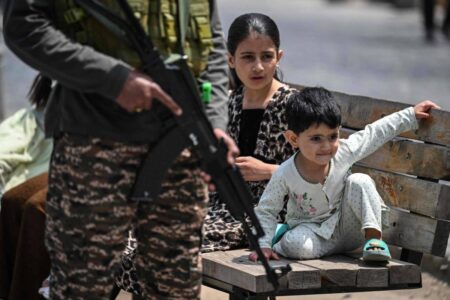
Tensions soared as India initiated strikes in Kashmir and Pakistan, raising alarms about the stability of the region. The New York Times captured these military actions with striking photos and compelling videos, vividly illustrating the profound humanitarian impact of this ongoing conflict.
Browsing: South Asia
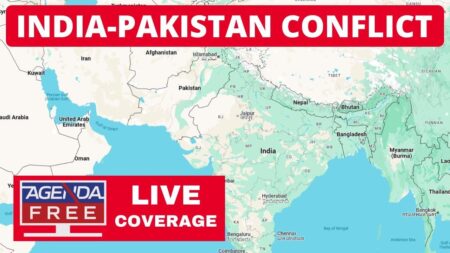
Breaking news reveals that the enduring India-Pakistan conflict has surged to alarming new heights, with fierce military confrontations and tragic civilian casualties emerging from the frontline. This escalation represents the most significant clash between these two nations in decades, sparking widespread international concern.
In a bold move, India recently conducted an airstrike aimed at a terror base in Muridke, but the operation has sparked intense debate over the true nature of the target. Critics are raising alarms, suggesting that the strike may have hit a mosque instead. This controversy is fueling tensions and igniting passionate discussions about the legitimacy of military actions in this volatile region.
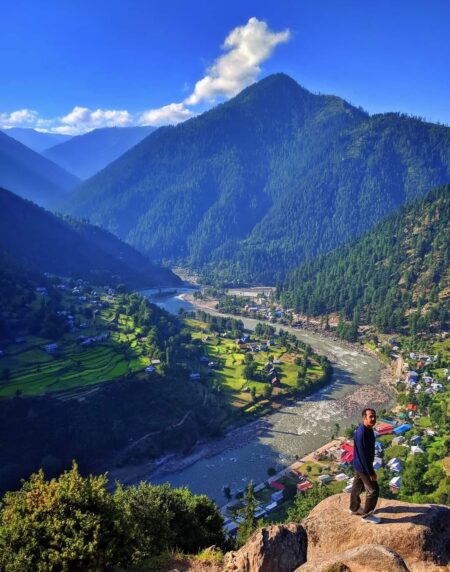
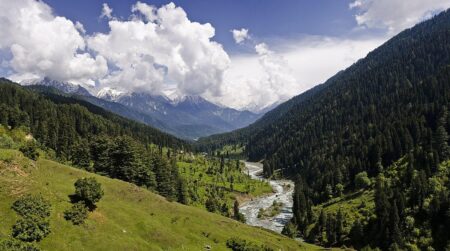
Residents in Pakistani-administered Kashmir are increasingly on edge as fears of a military escalation with India loom large. Following a series of recent border clashes, the atmosphere is thick with anxiety, as locals worry they could be the first to bear the brunt of any renewed conflict. This growing unease has intensified their sense of vulnerability, leaving many to wonder what the future holds.
In a passionate response, the Pakistani Prime Minister has strongly condemned the recent Indian airstrikes that led to a tragic loss of life. He vowed to respond with unwavering resolve. As tensions between these neighboring nations continue to escalate, fears of an impending conflict loom large over the region.
In a dramatic turn of events, India has reportedly launched airstrikes across the border in Pakistan, targeting militant strongholds. This bold move, however, came at a cost as officials confirmed the loss of an Indian aircraft during the operation. The incident has sparked serious concerns about the implications for regional security and stability.
The Council on Foreign Relations emphasizes the critical need for the U.S. to tread carefully in the complex India-Pakistan conflict. With tensions on the rise, even a small miscalculation could threaten not only regional stability but also vital U.S. interests. This situation highlights the importance of thoughtful and strategic diplomatic efforts.
France is urging calm as tensions between India and Pakistan escalate, calling on both countries to come together for dialogue to ease the situation. This appeal comes in light of increasing clashes that have sparked worries about regional stability and security.
The relationship between India and Pakistan is steeped in a rich tapestry of history, marked by conflict and rivalry. At the heart of this complex bond lie deep-seated territorial disputes and religious divides that have fueled animosity for decades. As both nations navigate the shifting landscape of global politics, the echoes of their tumultuous past resonate loudly, casting a long shadow over current tensions.
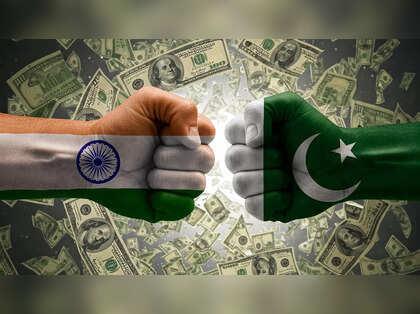
In a major blow to Pakistan's economy, India has taken the drastic step of blocking $500 million in Pakistani goods from entering its market through third countries. This bold move is set to deepen the already tense trade relations between the two nations and poses a serious risk to Pakistan's economic stability.
In a significant show of strength, Pakistan has successfully test-fired a ballistic missile, heightening the already tense atmosphere with India. This pivotal moment highlights the persistent security challenges facing South Asia, as both countries grapple with an increasingly delicate geopolitical landscape.
In "The Golden Road," the WSJ delves into India's extraordinary journey through global history, illuminating its cultural and economic significance across the ages. This captivating review showcases the vibrant tapestry of experiences that have molded modern India, revealing its profound influence on the world stage
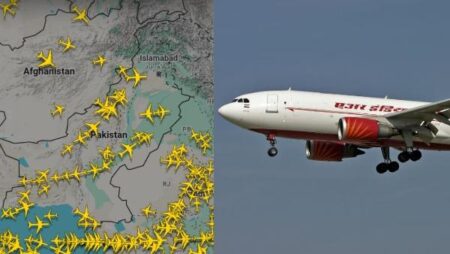
Pakistan's persistent airspace ban on India is poised to inflict a hefty financial blow on Air India, with estimates suggesting a staggering loss of $591 million in the coming year, as highlighted in a recent report by Al Jazeera. These restrictions not only complicate flight routes but also hinder operational efficiency, creating significant challenges for the airline.
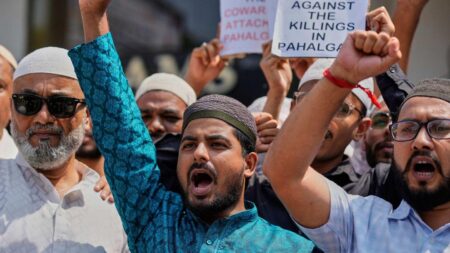
In the aftermath of a recent attack in Kashmir, the Muslim community in India finds itself grappling with intensified fears of potential backlash. As tensions rise and discrimination becomes more pronounced, many are anxious about being unfairly targeted amidst a surge of nationalistic fervor.
Pakistan has raised alarms following intelligence reports suggesting that Indian military action could be on the horizon. This warning intensifies the already fraught relations between the two neighboring nations, sparking fears of a possible escalation in the region.
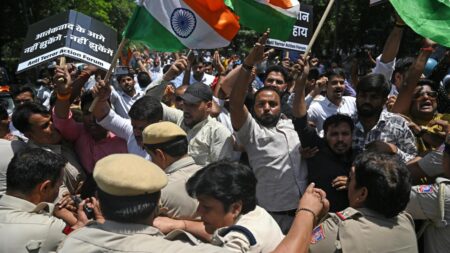
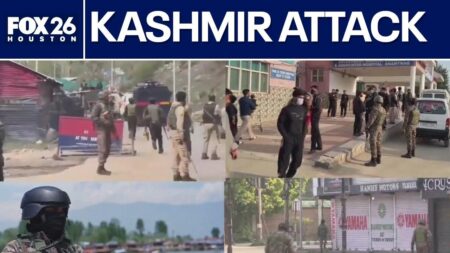
In the wake of a tragic attack in Kashmir, the already fraught relationship between India and Pakistan is reaching new heights of tension. As the situation unfolds, there are growing calls for urgent dialogue to prevent further escalation. Experts caution that without immediate action towards peace and reconciliation, this incident could plunge the region into deeper instability.
In the wake of the recent attack in Pahalgam, Indian forces have taken a dramatic step by demolishing homes associated with suspected militants. While this bold strategy seeks to combat insurgency, it also sparks significant debate over human rights and its repercussions on local communities.
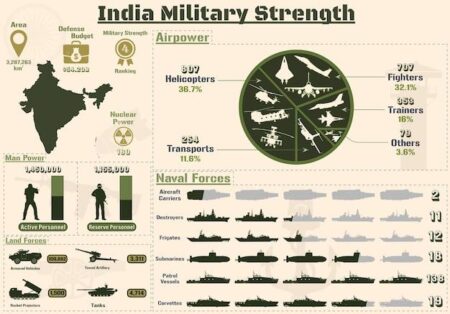
As tensions rise between India and Pakistan, analysts are pointing to a crucial turning point for India's military strategy. With the threat of incursions on the horizon, all eyes are on operational readiness and robust deterrent measures in response to the increasing regional instability.
In a noteworthy turn of events after the Canadian elections, Prime Minister Narendra Modi warmly congratulated Mark Carney on his impressive victory leading the Liberal Party. The election results are capturing attention, as they hold the potential to reshape Canada's diplomatic relationships and policy trajectories.
Amid the persistent tensions surrounding Kashmir, experts believe that a full-scale war between India and Pakistan is improbable. The diplomatic channels are still active, and both countries are grappling with considerable internal and external challenges, which makes the prospect of conflict less likely.