In March, China’s soybean imports from the U.S. skyrocketed, driven by a surge in demand as global supplies tighten. Yet, analysts believe that Brazil will maintain its stronghold in the market, capitalizing on its impressive production capabilities to satisfy China’s long-term requirements.
Browsing: trade relations
China is reportedly considering a bold step: exempting select U.S. products from tariffs. This strategic move could pave the way for a significant reduction in trade tensions between the two nations. As negotiations continue, this potential adjustment shines a glimmer of hope for stabilizing economic relations and fostering collaboration
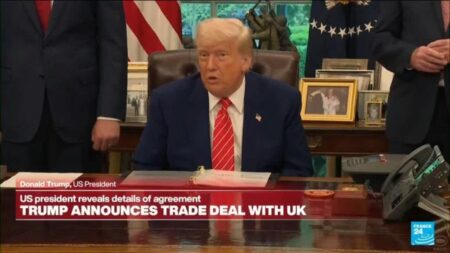
As pivotal trade discussions with the U.S. loom, UK Treasury chief James Reeves has taken a moment to address the concerns voiced by former President Trump about the state of the global economy. Reeves underscored that working together is essential to tackle our shared economic hurdles.
Amid the rising tensions of the US trade war, China is doubling down on its dedication to maintaining domestic stability. Beijing is not just focusing on economic support; it’s actively championing resilience in the face of external challenges, all while striving to boost public confidence in its future.
In a pivotal meeting, finance leaders from Japan and the United States gathered to tackle the pressing issue of fluctuating currency rates. These discussions are not just about numbers; they aim to enhance economic stability and strengthen bilateral relations in the face of growing global financial uncertainties.
Brazil’s auto market is sparking serious worries about U.S. tariff policy as automakers grapple with soaring costs and dwindling competitiveness. With tariffs on the rise, industry experts caution that these challenges could jeopardize American jobs and lead to higher prices for consumers.
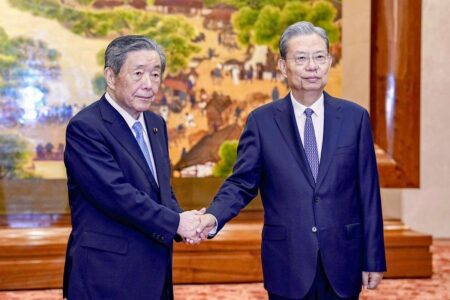
In a bold and strategic maneuver to sidestep looming trade tensions, Japan is actively forging stronger ties with China, highlighting the importance of collaboration in economic affairs. At the same time, Japanese politician Shigeru Ishiba has stepped forward with a resolute promise to resist any pressures from the Trump administration, determined to protect Japan’s interests amid an unpredictable trade environment.
Japanese Prime Minister Ishiba passionately underscored the importance of “fairness” in the current currency discussions with the United States. He highlighted how crucial stable exchange rates are for fostering robust economies in both nations. Japan is committed to securing equitable trade conditions that benefit all parties involved.
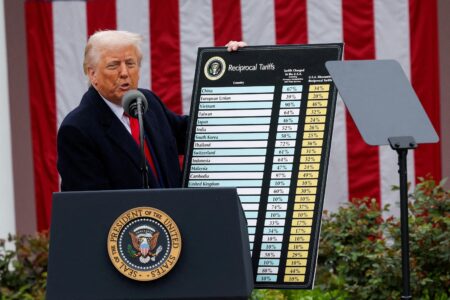
In a bold statement aimed squarely at China, former President Donald Trump has accused the nation of “cheating” on tariff agreements. His comments arrive during a time of heightened trade tensions, as he calls for more robust actions to safeguard American industries from unfair competition.
America’s wine industry is grappling with significant hurdles as global tariffs tighten their grip on profits. In a bold retaliatory action, Canada has slapped extra duties on U.S. wines, intensifying a crisis that puts small vineyards and the entire sector at risk.
Spain’s Prime Minister has urged Washington to rethink what he labels as “nonsense” tariffs that are straining trade relations. He highlighted the importance of collaboration and open dialogue to address the ongoing trade tensions that are impacting both economies.
In 2024-25, India’s exports to the United States skyrocketed to all-time highs, showcasing the deepening economic partnership between the two nations. At the same time, imports from China surged to new peaks, underscoring the intricate and evolving landscape of India’s trade relationships.

In a bold move, Ukraine has slapped sanctions on three Chinese companies as tensions with Beijing continue to rise. This decisive action underscores Kyiv’s deepening worries about China’s backing of Russia and signals a strategic shift in its geopolitical approach. The targeted sanctions focus on entities perceived as potential threats to national security, reinforcing Ukraine’s commitment to safeguarding its sovereignty.
US Treasury’s Bessent has voiced strong support for Argentina’s ambitious economic reforms, highlighting their crucial role in stabilizing the nation as worries about China’s expanding influence in the region mount. This initiative not only reflects a commitment to Argentina’s progress but also aligns seamlessly with broader U.S. interests in bolstering economic partnerships across Latin America.
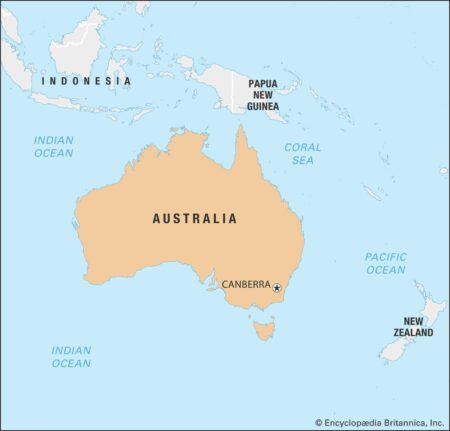
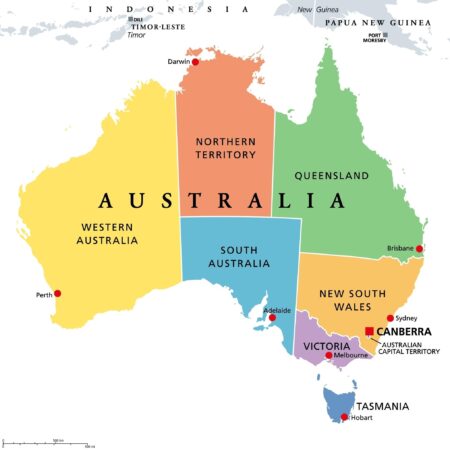
Australians are becoming more wary of the United States, as trust wanes in the wake of Trump’s tumultuous tariffs and contentious choices. This evolving sentiment highlights rising apprehensions about America’s dependability as a global partner.
In a bold move to ease rising trade tensions, President Trump has called on China to unveil a fresh tariff proposal. This initiative emerges as both countries navigate a web of disputes that are shaking up global markets. Experts believe that any progress in this direction could hint at a potential warming of relations.
Boeing’s crucial involvement in strengthening Russia’s aerospace industry sparks intriguing questions about the future of its operations within the country. As geopolitical tensions rise, experts are left pondering: will this aviation titan ever find its way back to doing business in Russia?
In a recent statement, a Chinese official condemned U.S. tariffs on Hong Kong, asserting they are intended to undermine the region’s economic vitality. The official emphasized that these measures threaten Hong Kong’s autonomy and prosperity amid ongoing tensions between the two powers.
Italy’s Prime Minister Giorgia Meloni visited the White House to address growing trade tensions between the U.S. and Europe. The talks aimed at fostering stronger economic ties and resolving disputes, signaling Italy’s role in promoting transatlantic collaboration.
Bessent has identified Japan, the U.K., Australia, and South Korea as key priorities for future trade agreements, aiming to strengthen economic ties and enhance market access. This strategic focus signals a commitment to expanding international trade relations.