Brazil is shifting its focus toward negotiation in response to recent U.S. trade tariffs, officials announced. The move aims to address trade tensions and foster stronger economic ties between the two nations, emphasizing dialogue over confrontation.
Browsing: trade relations
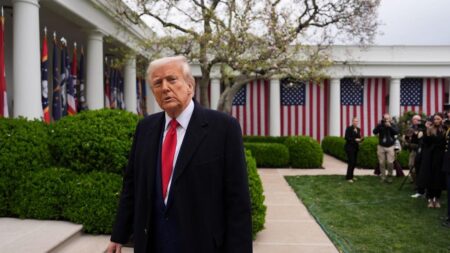
Former President Donald Trump claimed that his tariff policy is “doing really well,” following China’s imposition of a 125% levy on U.S. goods. His comments come amid escalating trade tensions, as both nations grapple with the implications for their economies.
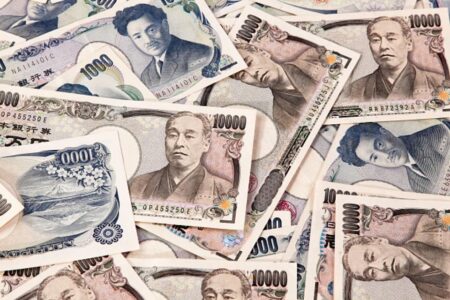
Japan’s government is contemplating cash handouts to help citizens cope with escalating living costs and the impact of U.S. tariffs. The proposed measures aim to alleviate financial pressure on households amid growing economic uncertainties.
The Chinese Embassy in India has urged both nations to unite against U.S. tariffs, emphasizing the need for collaboration in facing economic challenges. This call for solidarity comes amidst escalating trade tensions between the U.S. and China.
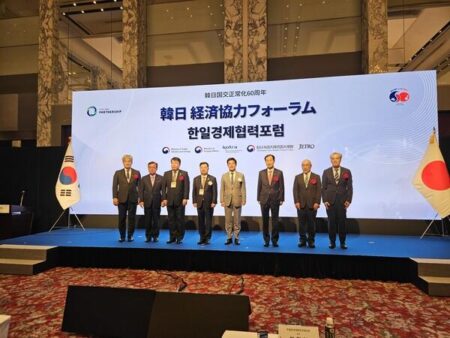
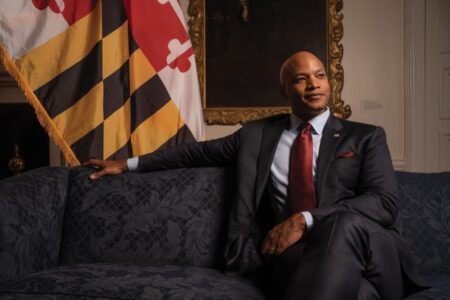
Governor Wes Moore is gearing up for a trade mission to Japan and South Korea, aimed at boosting economic ties and attracting investment to Maryland. The trip will focus on opportunities in technology, sustainability, and cultural exchange.
In a surprising twist amid ongoing trade tensions, experts suggest that Donald Trump’s tariff war with China could lead to lower prices for Australians on Chinese-made goods. With tariffs affecting American imports, Australian consumers might benefit as costs adjust.
In response to escalating trade tensions, China’s leading retail giants have committed to supporting local exporters in shifting their focus to domestic markets. This initiative aims to bolster the economy and mitigate the impact of ongoing trade disputes.
Spain’s Prime Minister Pedro Sanchez urged the European Union to reevaluate its relationship with China, emphasizing the need for a more unified approach in addressing economic and geopolitical challenges posed by Beijing.
In response to ongoing trade negotiations with the US, Indian Commerce Minister Piyush Goyal emphasized, “We don’t negotiate at gunpoint,” affirming India’s commitment to fair trade practices. The remarks underline India’s stance on maintaining equitable discussions.
Japan has urged the United States to eliminate reciprocal tariffs, labeling them as regrettable. This request comes amid ongoing trade discussions aimed at strengthening bilateral economic ties and addressing trade imbalances.
In a significant development, a U.S.-Russia ballerina has been released as part of a prisoner swap between the two nations. The exchange highlights ongoing diplomatic tensions, with both countries seeking to address their contentious relations through negotiations.
Japan’s Prime Minister Shigeru Ishiba urged U.S. President Donald Trump to reconsider his tariff policies during their recent discussions. Ishiba emphasized the need for a collaborative approach, highlighting concerns over potential trade tensions between the two nations.
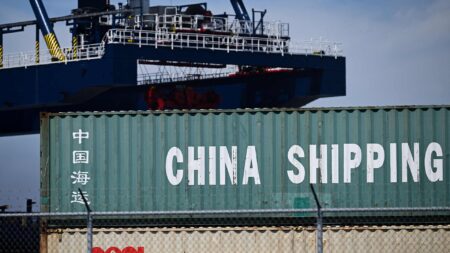
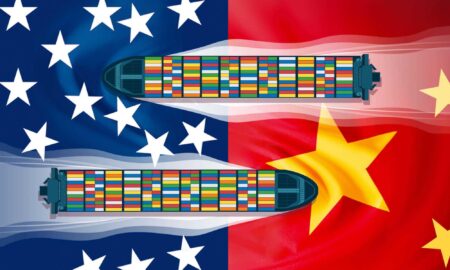
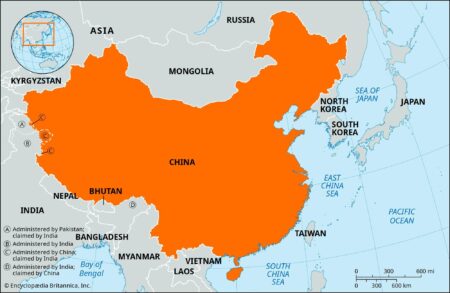
China has retaliated against President Trump’s latest tariff hike by imposing duties of up to 125% on a range of U.S. goods. This escalation in trade tensions signals a deepening rift between the two economic giants, impacting global markets.
Apple has reportedly airlifted over a million iPhones from India to the U.S. to circumvent tariffs. This strategic move highlights the tech giant’s efforts to maintain competitive pricing amid global trade tensions and optimize its supply chain.
As the US-China tariff war escalates, iPhones, Shein apparel, and toys emerge as top-traded items facing potential price hikes. Analysts warn that increased tariffs could burden consumers, reshaping spending habits and impacting the retail landscape.
In response to escalating tariffs imposed by the Trump administration, Apple is shifting its production focus to India. This strategic move aims to mitigate supply chain disruptions and reduce reliance on China, demonstrating the company’s adaptability in a volatile trade landscape.
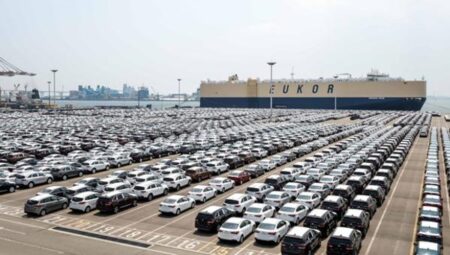
Canada-made automobiles are set to experience significant price increases in the U.S. market, attributed to recently imposed tariffs. Analysts warn that these higher costs could impact sales and competitiveness, raising concerns for Canadian manufacturers.
In a significant escalation of trade tensions, China has announced retaliatory tariffs on U.S. goods, raising duties to 125%. This move comes amid a declining dollar, signaling increased economic friction between the two nations. Continue following for live updates.
German chancellor-designate Friedrich Merz emphasized the advantages of EU unity in response to shifting Trump tariffs. He highlighted that a coordinated stance among member states can better protect their economies against external pressures.
In response to the U.S. imposing tariffs on Canadian auto imports, Canada has announced reciprocal measures aimed at protecting its automotive industry. The move escalates trade tensions, as both nations confront the growing impact on their economies.