In a recent statement, former President Trump suggested that tariffs on Mexico and Canada could potentially increase, indirectly acknowledging the economic uncertainties ahead. He refrained from dismissing the possibility of a recession, raising concerns among analysts.
Browsing: trade relations
In a significant move, President Trump announced the postponement of tariffs on goods imported under the US-Mexico-Canada trade agreement. This decision aims to ease trade tensions and foster better economic relations among the North American partners.
Former RBI Deputy Governor has suggested that Trump’s tariffs on India could offer unexpected opportunities for local industries to strengthen and innovate. The measures, while challenging in the short term, may ultimately lead to greater self-reliance.
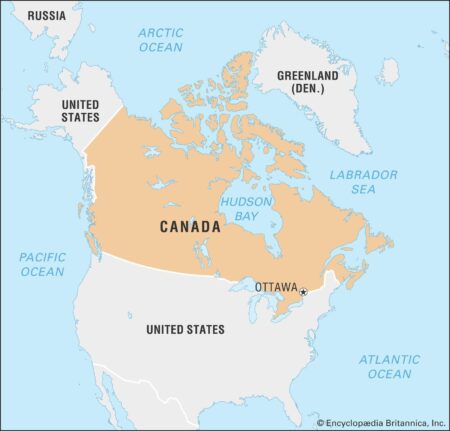
In a controversial statement, a Trump adviser claimed the existence of secret fentanyl labs in Canada to justify proposed tariffs. This allegation raises serious questions about the administration’s approach to drug trafficking and international trade relations.
China has imposed new tariffs on Canadian agricultural products, escalating tensions between the two nations. This move marks a significant response to Canada’s recent criticisms of China’s domestic policies and trade practices, further straining bilateral relations.
The U.S. plans to hold a hearing to examine China’s initiatives aimed at enhancing its semiconductor industry. This move highlights ongoing concerns over technological competition and national security as both nations seek dominance in critical tech sectors.
In a recent statement, Canadian leadership candidates sparked controversy by suggesting a potential 100% tariff on Tesla vehicles. This claim has raised eyebrows as experts urge a fact-check, emphasizing the economic implications and diplomatic considerations involved.
China has announced its intention to “resolutely counter” U.S. tariffs, emphasizing a commitment to protect its economic interests amidst increasing trade tensions. The statement reflects ongoing struggles in bilateral relations and potential impacts on global markets.
Japan is enhancing Australia’s high-speed rail ambitions by providing advanced technology and expertise. This collaboration aims to improve connectivity and reduce travel times, marking a significant step toward sustainable transportation in Australia.
Former President Donald Trump has expressed dissatisfaction with the U.S.-Japan security pact, labeling it nonreciprocal. His comments highlight concerns over the perceived imbalance in defense responsibilities, stirring debate on international relations in the region.
As the US trade war intensifies, China is set to increase food imports from Latin America and Europe. This strategic shift aims to diversify its supply sources and strengthen economic ties, signaling a significant change in global trade dynamics.
In a recent statement reported by Bloomberg, U.S. official Bessent emphasized that the Biden administration will not hesitate to impose sanctions on Russia and Iran. The commitment underscores ongoing efforts to address aggressive behaviors from both nations.
Thailand is urging Germany to reassess its policy regarding submarine exports amid concerns that stringent regulations could jeopardize a significant deal with China. The request highlights Thailand’s strategic defense interests in the region.
In a significant shift, key industry leaders express willingness to accept tariff reductions in negotiations with the US. This move is seen as a bid to enhance trade relations and stimulate economic growth, amid ongoing discussions to resolve trade tensions.
As U.S. tariffs on various imports take effect, Mexico, Canada, and China respond with retaliatory measures, targeting American goods. This escalation raises concerns over escalating trade tensions and potential impacts on the global economy.
Canada has stated it will not eliminate its tariffs unless the United States removes all levies, according to a government official. This stance underscores ongoing trade tensions and highlights the complexities of bilateral negotiations.
In a bold economic move, President Trump has imposed tariffs on imports from Canada, China, and Mexico, igniting a trade war that analysts warn could escalate tensions and lead to significant price hikes for consumers across various sectors.
India may avoid the Trump administration’s tariffs set to begin on April 2, according to sources. Negotiations are ongoing, focusing on trade imbalances and tariffs on Indian goods, potentially allowing for exemptions or reduced rates.
In response to President Trump’s tariffs, Canada and China have announced retaliatory measures, raising concerns of an escalating trade war. Both nations aim to protect their economies as tensions heighten in global trade relations.
In a recent statement, former President Trump claimed that U.S. banks are barred from operating in Canada. However, experts argue that financial regulations are more nuanced, and U.S. banks often navigate specific frameworks to establish a presence internationally.