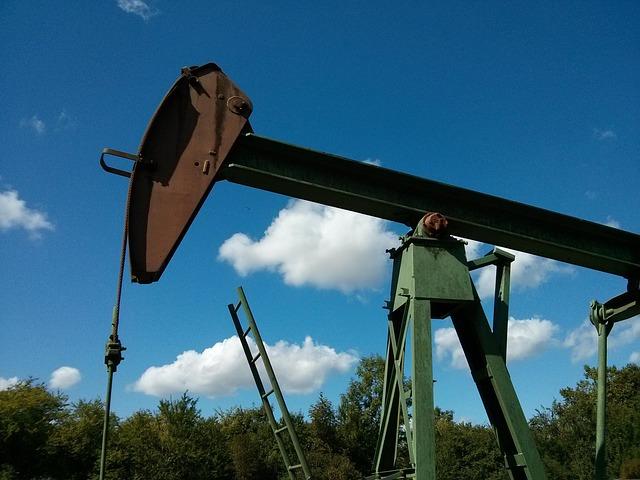
As global oil prices surge past the $80 per barrel mark, China’s vast crude stockpiles are emerging as a pivotal factor in the shifting dynamics of the energy market. While international markets grapple with supply constraints and geopolitical tensions, Beijing’s strategic reserves offer the country significant leverage amid fluctuating crude costs. This development underscores the growing influence of state-controlled stockpiles in stabilizing domestic fuel supplies and shaping global oil trade patterns, as the world watches the interplay between market forces and national energy policies unfold.
China’s Strategic Stockpiling Gains Importance Amid Rising Oil Prices
With global crude prices climbing past the $80 per barrel mark, China’s approach to managing its energy reserves has caught the attention of analysts worldwide. The nation’s methodical accumulation of strategic petroleum reserves is no longer just a safeguard; it has evolved into a powerful tool in navigating market volatility and geopolitical uncertainties. By bolstering its stockpiles during periods of relative price stability, China positions itself to mitigate the impact of future supply disruptions and price shocks, ensuring continuous industrial momentum and economic resilience.
Key factors influencing China’s stockpiling strategy include:
- Expanding domestic demand fueled by industrial growth and urbanization.
- Global supply chain uncertainties exacerbated by geopolitical tensions.
- Long-term energy security policies aimed at reducing import dependency risks.
This strategic reserve accumulation not only enhances China’s energy security but also grants it a subtle form of leverage in international energy markets. By controlling significant stockpiles, China may influence purchase timing and import volumes, indirectly impacting global crude pricing dynamics. As crude oil prices continue their upward trajectory, Beijing’s stockpiling strategy emerges as a critical factor shaping the broader energy landscape.
Impact of Crude Oil Surge on Global Markets and Geopolitical Dynamics
The recent crude oil surge to the $80 mark has introduced a ripple effect across global markets, intensifying commodity volatility and reshaping investment flows. Stock indices, particularly in energy-dependent economies, are witnessing fluctuating trends as traders react to rising fuel costs and inflationary pressures. Key sectors such as transportation, manufacturing, and consumer goods are bracing for increased input expenses, which could translate into broader economic slowdowns. Simultaneously, emerging markets reliant on oil imports face mounting challenges, while oil-exporting nations are capitalizing on enhanced revenues to bolster fiscal positions and sovereign wealth funds.
Amidst this price surge, China’s strategic accumulation of crude oil stockpiles is emerging as a pivotal geopolitical tool. By expanding its reserves, Beijing is not only cushioning its economy against future supply shocks but also positioning itself to influence international oil flows. This maneuver offers several advantages:
- Enhanced bargaining power in diplomatic negotiations related to energy security.
- Flexibility to release or withhold supply to stabilize or sway market prices globally.
- Reduced vulnerability to external pressures from traditional oil-producing regions.
As the global energy landscape evolves, these developments underscore a shifting balance of power where resource control is increasingly coupled with strategic influence on the world stage.
Recommendations for Investors Navigating Volatile Energy Markets
Investors should prioritize diversification when engaging with the unpredictable energy sector, especially amid the current surge to $80 per barrel. Balancing exposure across various asset classes, such as renewable energy stocks, traditional oil and gas equities, and commodities futures, can cushion portfolios against sharp price swings. Additionally, closely monitoring geopolitical developments and OPEC’s production decisions is crucial, as these factors often dictate market momentum. Staying informed on China’s strategic stockpiling activities also provides vital insights into supply-demand dynamics that may influence price trajectories in the near term.
Key strategies to consider include:
- Leveraging financial instruments like options to hedge against volatility.
- Analyzing macroeconomic indicators that impact global oil consumption and production.
- Focusing on companies with strong balance sheets and adaptable operational models.
- Remaining agile to swiftly adjust positions based on emerging market signals.
By adopting a comprehensive and informed approach, investors can better navigate the highs and lows characteristic of the energy markets, turning uncertainty into potential opportunities.
Key Takeaways
As oil prices climb toward the $80 mark, China’s strategic accumulation of crude reserves emerges as a pivotal factor in global energy dynamics. By leveraging its substantial stockpiles, Beijing positions itself to influence market supply and cushion domestic economic pressures amid volatile oil markets. Moving forward, the interplay between rising crude prices and China’s inventory management will be closely watched by analysts and policymakers alike, underscoring the broader implications for global energy security and price stability.