
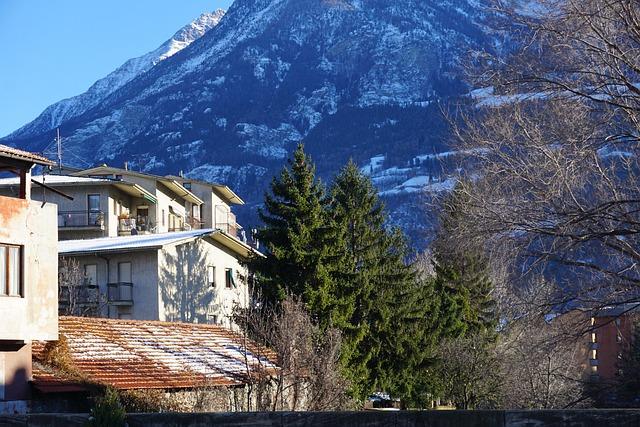
Italy’s renowned ski resorts are facing unprecedented challenges this season as surging visitor numbers collide with the escalating impacts of climate change. Popular destinations across the Alps and Dolomites are grappling with overcrowded slopes and strained infrastructure, while warmer temperatures and unpredictable snowfall patterns threaten the long-term viability of winter tourism. As resorts strive to balance economic demands with environmental realities, industry stakeholders and local communities are urgently exploring adaptive strategies to sustain Italy’s position as a premier skiing destination.
Italy Ski Resorts Face Overcrowding Challenges Amid Rising Tourist Demand
As winter tourism surges, popular Italian ski destinations are encountering intensified pressure from record visitor numbers. Resorts traditionally known for their serene alpine experience now struggle to maintain quality amid congested slopes and crowded accommodations. Local authorities report that infrastructure, including lift systems and parking facilities, is reaching its limits, causing longer wait times and reduced overall satisfaction. This influx not only challenges daily operations but also escalates the environmental footprint, exacerbating concerns about sustainability in these fragile mountain ecosystems.
Industry stakeholders and environmental groups alike highlight several key issues driving the overcrowding dilemma:
- Rising global interest: Italy’s ski resorts are benefiting from increased international tourism, attracting visitors from across Europe and beyond.
- Climate change impacts: Warmer winters force resorts to concentrate activities in fewer high-altitude areas, compounding crowd density.
- Limited infrastructure expansion: Geographic and regulatory constraints hinder significant upgrades or expansions necessary to accommodate growing demand.
In response, some communities have begun exploring innovative crowd management strategies, such as dynamic ticket pricing and investment in off-peak promotions, aiming to disperse visitors more evenly throughout the season and preserve the region’s natural allure.
Climate Change Forces Adaptation Strategies in Alpine Ski Destinations
Alpine ski resorts in Italy are facing unprecedented challenges as rising temperatures and unpredictable snowfall patterns disrupt traditional winter sports seasons. To combat these shifts, resorts increasingly rely on innovative adaptation strategies, such as investing in artificial snowmaking systems and altering the ski calendar to maximize colder periods. Local operators are also experimenting with diversified tourism offerings, including summer mountain biking and hiking, to stabilize revenues throughout the year as the window for reliable skiing narrows.
Key adaptation measures include:
- Installation of energy-efficient snow cannons to extend ski seasons
- Development of all-season resort attractions to reduce dependency on winter sports
- Implementation of sustainable water management practices to support snowmaking without depleting local resources
- Collaboration with environmental organizations to promote eco-friendly tourism initiatives
These proactive steps underscore the mounting pressures on the Alps’ delicate ecosystem while highlighting the resilience and ingenuity of Italian ski communities to preserve their winter sports heritage amid a rapidly warming climate.
Experts Recommend Sustainable Tourism Practices to Preserve Skiing Heritage
Amid rising visitor numbers and shifting weather patterns, specialists call for a strategic pivot toward sustainability to safeguard the long-term viability of Italy’s beloved ski destinations. Experts emphasize the urgency of integrating eco-friendly infrastructure and managing tourism flows to mitigate environmental degradation. They argue that maintaining the pristine alpine environment is not only critical for preserving natural heritage but also for sustaining economic vitality in regions heavily reliant on winter sports tourism.
Key recommendations from scholars and industry leaders include:
- Implementing renewable energy sources for resort operations to reduce carbon footprints.
- Encouraging off-peak travel to alleviate overcrowding and lessen pressure on fragile ecosystems.
- Promoting local culture and traditions to enrich visitor experiences while fostering community pride and involvement.
- Investing in adaptive technologies to respond to unpredictable snow conditions without compromising environmental integrity.
To Conclude
As Italy’s ski resorts face mounting challenges from increased visitor numbers and the ever-present threat of climate change, stakeholders are under growing pressure to balance tourism demand with sustainable practices. With warmer winters and unpredictable snowfall patterns becoming the new norm, the industry must adapt swiftly to safeguard both its economic viability and the natural landscapes that draw millions annually. How Italy manages this delicate equilibrium will serve as a critical test for winter tourism destinations around the globe.