
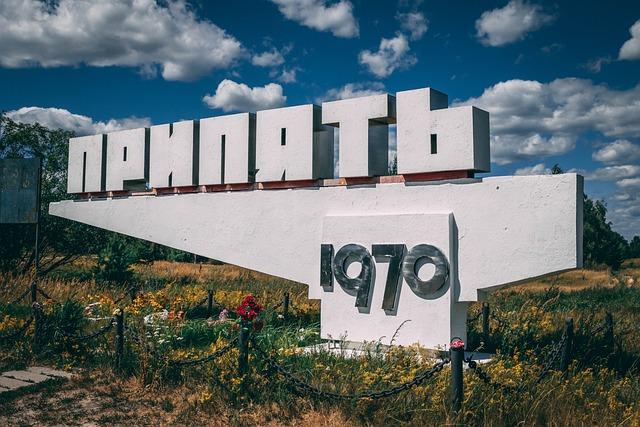
Forty years after the catastrophic Chernobyl nuclear disaster reshaped Ukraine’s landscape and legacy, a new wave of conflict is once again unleashing destruction and displacement across the region. As the ongoing war intensifies, communities still bearing the scars of the 1986 meltdown now face fresh threats to their safety, infrastructure, and stability. This resurgence of crisis underscores the enduring vulnerability of Ukraine’s people and environment amid escalating geopolitical turmoil.
Chernobyl’s Lingering Shadows Intensify Amidst Current Conflict
Decades after the 1986 nuclear disaster, the region around Chernobyl remains steeped in uncertainty as renewed conflict exacerbates existing vulnerabilities. The war has disrupted containment and monitoring efforts, raising alarms about potentially increased radiation risks to both soldiers and civilians. Access restrictions and damage to infrastructure have severely hindered environmental assessments, leaving local populations exposed to threats that were once believed to be contained.
Key concerns now include:
- Disturbance of radioactive soil and waste due to troop movements and military operations.
- Interruption of scientific monitoring and delayed emergency response mechanisms.
- Heightened displacement of communities living near the Exclusion Zone facing compounded humanitarian crises.
Experts warn that the intersection of conflict and lingering radiation danger creates a complex humanitarian and ecological challenge, with long-term consequences that could surpass the initial catastrophe. As the world watches, the fragile balance in this oft-forgotten region remains perilously tilted, demanding urgent international attention and action.
Humanitarian Crisis Deepens as War Disrupts Nuclear Safety Measures
The ongoing conflict has severely compromised the protocols designed to maintain nuclear safety, escalating fears of a potential catastrophe reminiscent of past nuclear disasters. Key personnel responsible for monitoring and maintaining safety equipment are often unable to perform their duties due to restricted access, damaged infrastructure, and constant threats posed by active combat zones. Compounding these challenges are supply shortages and interruptions in communication, which undermine the ability to respond swiftly to any technical malfunctions or radioactive leaks. International experts warn that without immediate intervention, the region faces a deteriorating humanitarian situation that could have far-reaching environmental and health consequences.
Communities living near the affected sites are enduring heightened levels of uncertainty and displacement, as families are forced to abandon their homes to escape the looming dangers. Relief organizations report an increase in:
- Radiation exposure incidents linked to damaged containment systems
- Disruptions in access to clean water and medical supplies vital for vulnerable populations
- Psychological trauma and health crises exacerbated by ongoing instability
Amid the turmoil, calls for a demilitarized zone around nuclear facilities grow louder, urging global powers to prioritize safety over strategic gains. The intersection of warfare and nuclear risk has created a complex emergency that demands coordinated humanitarian and diplomatic efforts to prevent further devastation.
Urgent Calls for International Cooperation to Prevent Further Catastrophe
The escalation of conflict in the region has reignited fears of nuclear hazards reminiscent of past tragedies, emphasizing an immediate need for unified global action. Experts warn that unchecked warfare near critical infrastructure not only threatens civilian lives but also risks unleashing environmental and health crises with repercussions far beyond national borders. In response, international bodies and governments are being urged to implement stringent safeguards and establish rapid response mechanisms to de-escalate tensions and mitigate risks effectively.
Key priorities for international cooperation include:
- Enforcing strict protection protocols around nuclear sites and hazardous zones.
- Facilitating transparent communication channels among involved nations to monitor risks in real time.
- Providing humanitarian aid and safe corridors for displaced populations affected by both conflict and contamination threats.
- Investing in joint scientific research to assess potential long-term impacts and develop prevention strategies.
As history serves a grim reminder, preventing a new disaster demands not only vigilance but a coordinated, humanitarian-driven approach that transcends political divides.
In Summary
Forty years after the Chernobyl disaster reshaped perceptions of nuclear risk and forced mass displacement, ongoing conflicts in the region threaten to revive the specter of radioactive contamination and humanitarian crisis. As war reignites instability across Ukraine, experts warn that the legacy of Chernobyl remains perilously relevant, underscoring the urgent need for vigilant safeguards and coordinated international efforts to prevent a new chapter of disaster and suffering.