
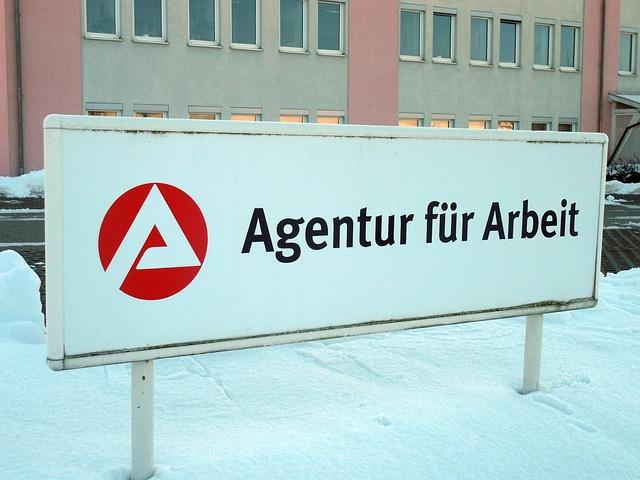
Germany’s labor market outperformed expectations in April, as the number of unemployed workers rose by 20,000, significantly higher than the 4,000 increase forecasted by economists. The surprising shift in Germany’s unemployment figures signals underlying challenges in Europe’s largest economy, raising questions about the impact of global economic pressures and domestic factors. Investors and policymakers alike are closely watching the developments, which could influence market sentiment and economic policy decisions moving forward.
Germany April Unemployment Surges Significantly Exceeding Expectations
The latest labor market figures from Germany reveal a surprising downturn, with unemployment increasing by 20,000 in April, a stark contrast to the modest rise of 4,000 that analysts had anticipated. This uptick highlights growing concerns amid a fragile economic recovery and ongoing global uncertainties that continue to challenge Europe’s largest economy. The labor market’s unexpected weakness raises questions about the resilience of key industries and the potential impact on consumer confidence moving forward.
Key factors influencing this sharp rise include:
- Supply chain disruptions affecting manufacturing output.
- Energy price pressures leading to cautious hiring strategies.
- Persistent inflation eroding corporate margins and household purchasing power.
Economists are now closely monitoring upcoming data to assess whether this spike represents a temporary setback or signals a more prolonged phase of labor market weakness.
Analyzing the Economic Factors Driving the Unexpected Rise in Jobless Claims
The recent surge in jobless claims, rising by 20,000 against an expected 4,000, signals underlying stress within Germany’s labor market that economists are keenly dissecting. Several economic variables appear to be converging, contributing to this sharp uptick. Notably, supply chain disruptions continue to strain manufacturing and export sectors, which are pivotal to Germany’s economy. Rising energy costs, fueled by geopolitical tensions and inflationary pressures, have caused production slowdowns, prompting layoffs particularly in energy-intensive industries. Additionally, businesses are adjusting to post-pandemic shifts in consumer demand, with some sectors contracting faster than anticipated.
Meanwhile, structural challenges persist, including the gradual impact of automation and digital transformation reshaping employment patterns. Analysts point to key factors behind the unexpected increase:
- Elevated inflation eroding household spending power, thereby affecting retail and service jobs.
- Regulatory adjustments influencing labor market flexibility and employer hiring practices.
- Seasonal employment fluctuations exacerbated by adverse weather patterns disrupting agriculture and construction.
- Global economic uncertainties prompting firms to adopt cautious workforce management strategies.
Taken together, these elements reflect a complex economic landscape where short-term disruptions blend with longer-term structural shifts, resulting in a noticeable rise in unemployment claims.
Investor Strategies to Navigate Market Volatility Amid Rising Unemployment
Amid the unexpected rise in Germany’s unemployment figures for April, with a 20,000 increase far surpassing the 4,000 anticipated, investors are urged to recalibrate their portfolio strategies to manage intensified market fluctuations. Experts emphasize the importance of maintaining a well-diversified asset allocation, incorporating sectors traditionally resilient in economic downturns such as utilities, healthcare, and consumer staples. Additionally, incorporating fixed-income instruments like government bonds can offer a cushion against equity market volatility, while cash reserves provide the flexibility to capitalize on opportunistic entry points once market sentiment stabilizes.
Furthermore, savvy investors should consider hedging tactics to mitigate downside risks. Utilizing options strategies-such as protective puts-can safeguard portfolios against sharp sell-offs amid rising unemployment anxieties. Staying informed on policy responses, including potential fiscal stimulus or central bank interventions, is equally critical. By proactively adjusting to the labor market signals and embracing both defensive positioning and selective risk-taking, investors can better navigate the ongoing economic uncertainty prompted by Germany’s labor market developments.
- Diversify across defensive sectors and fixed-income assets
- Maintain cash reserves for market opportunities
- Use hedging tools like options to protect portfolios
- Monitor policy announcements for economic support measures
Final Thoughts
In summary, Germany’s April unemployment figures revealed a significant increase of 20,000, well above the expected rise of 4,000. This unexpected surge highlights ongoing challenges in the labor market amid economic uncertainties. Investors and policymakers will be closely monitoring upcoming data to assess the broader implications for Germany’s economic outlook and potential adjustments in fiscal and monetary strategies.