
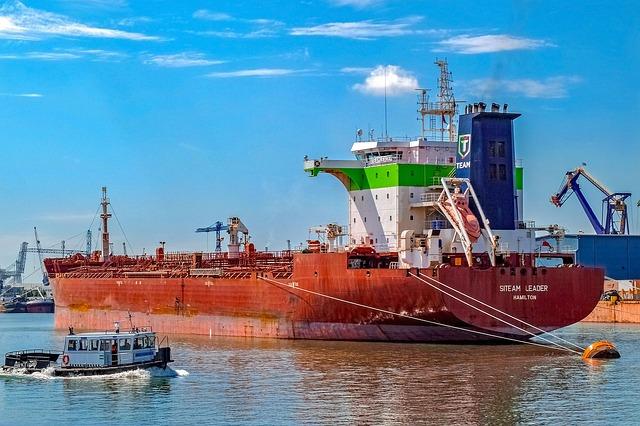
India has received its first liquefied natural gas (LNG) cargo through the strategic Strait of Hormuz following the recent landmark deal, marking a significant development in the region’s energy trade dynamics. The delivery underscores India’s evolving energy procurement strategy amid shifting geopolitical landscapes and supply chain recalibrations. This milestone comes as crude oil prices continue to fluctuate globally, reflecting ongoing tensions and market uncertainties. Industry watchers view this transit as a key indicator of changing patterns in energy logistics and international partnerships.
India Marks Strategic Milestone with First Post-Deal LNG Cargo Arrival Via Strait Of Hormuz
India has successfully received its first liquefied natural gas (LNG) shipment following a landmark agreement, marking a significant shift in its energy supply chain. The cargo’s transit through the Strait of Hormuz-a critical and often sensitive maritime chokepoint-underscores New Delhi’s growing strategic autonomy in securing energy imports. This development not only reflects enhanced diplomatic ties and renewed trade partnerships but also opens avenues for diversifying LNG import routes, thereby reducing dependency on traditional corridors.
Key highlights of this milestone include:
- Improved energy security amidst global market fluctuations
- Strengthened geopolitical engagement in the Gulf region
- Potential for increased LNG import volumes from diverse suppliers
- Positive impact on regional crude oil price dynamics due to altered supply flows
Analyzing Impact on Regional Energy Security and Global Crude Oil Markets
The recent delivery of LNG to India via the Strait of Hormuz marks a significant milestone in reshaping the dynamics of regional energy security. This critical maritime corridor, responsible for channeling a substantial portion of the world’s hydrocarbon shipments, continues to underscore its strategic importance. India’s successful reception of LNG not only diversifies its energy supply routes but also enhances resilience against potential disruptions in the Middle East. As tensions in the region persist, ensuring uninterrupted energy flow through this narrow waterway remains a priority for importing nations, distinctly influencing their long-term energy strategies.
On the global front, the event is poised to exert a nuanced impact on crude oil markets. Key factors at play include:
- Supply chain adjustments: With India strengthening its LNG imports via the Strait, market participants may witness shifts in crude oil demand, as natural gas gradually complements or substitutes traditional oil consumption.
- Price volatility considerations: Enhanced transit activity and geopolitical sensitivities in the Strait of Hormuz have historically led to price spikes; this latest development could either stabilize or provoke fluctuations depending on regional diplomatic dynamics.
- Market sentiment: The LNG shipment underscores evolving energy alliances and trade patterns, influencing trader perceptions and investment flows within global crude benchmarks.
Collectively, these aspects underscore the interconnectedness of regional transit routes and global oil market stability, spotlighting the significance of emerging trade routes in the evolving energy landscape.
Recommendations for Stakeholders Navigating Volatile Oil Prices and Supply Chain Dynamics
As oil markets experience heightened volatility due to geopolitical tensions and shifting supply routes, stakeholders must adopt a multi-faceted approach to mitigate risks and capitalize on emerging opportunities. Diversification of supply sources has become paramount, with importers encouraged to explore alternative routes and suppliers beyond traditional corridors like the Strait of Hormuz. Investing in strategic reserves and entering flexible contract agreements can provide buffer zones against sudden disruptions. Meanwhile, close monitoring of market indicators and real-time price analytics will enable traders and companies to respond swiftly to price swings and optimize procurement strategies.
On the logistics front, fostering stronger collaborations along the supply chain-from port authorities and shipping companies to refinery operators-can enhance transparency and resilience. Incorporating advanced technologies such as blockchain for supply chain tracking and AI-driven demand forecasting will streamline operations and reduce bottlenecks. Policy makers and industry leaders should also advocate for regulatory frameworks that encourage sustainable energy transitions and infrastructure upgrades, paving the way for long-term stability amidst short-term volatility. By embracing agility and innovation, stakeholders can better navigate the complexities of today’s oil market landscape.
Concluding Remarks
As India receives its first post-deal LNG cargo via the strategic Strait of Hormuz, this milestone underscores the evolving dynamics of global energy trade amidst geopolitical shifts. Market watchers will be closely monitoring the impact on crude oil prices and supply chains as this new route gains prominence. Stay tuned to OilPrice.com for ongoing updates and in-depth analysis on how these developments continue to shape the energy landscape.